Tag Archive for: NI-MH BATTERY

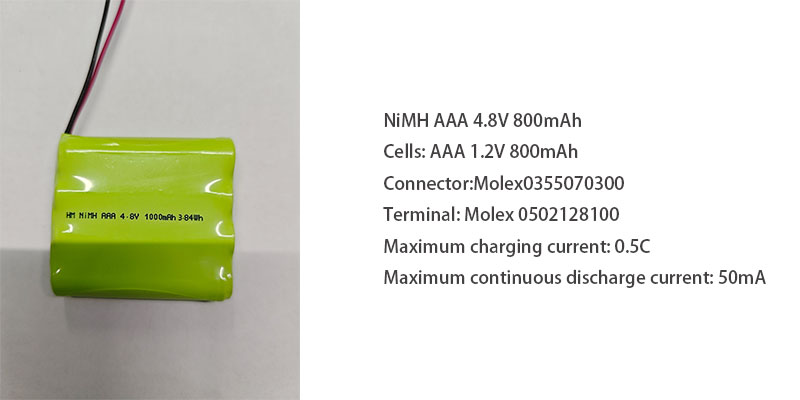
NiMH AAA 4.8V 800mAh rechargeable battery pack for mechanical equipment testing

In the world of industrial quality control and field inspection, mechanical equipment testing relies on precision instruments that must perform consistently — often in harsh environments, remote locations, or on fast-moving production lines. Behind every accurate hardness reading, every vibration measurement, every ultrasonic scan, there is a power source doing quiet, critical work. The NiMH AAA 4.8V 800mAh battery pack is engineered specifically for this role.

This article explores how the 4.8V 800mAh battery pack meets the demanding power requirements of mechanical equipment testing tools, why NiMH chemistry is the preferred choice for European industrial buyers, and how Himax Electronics ensures full compliance with EU regulations including (EU) 2023/1542 for export to Germany and the broader European market.

Why Mechanical Equipment Testing Demands Reliable Battery Power

The Challenge of Unstable Power in Field Testing

Field-based mechanical testing devices such as portable hardness testers, vibration analyzers, and torque meters are frequently deployed away from fixed power supplies. Engineers and quality inspectors carry them onto factory floors, construction sites, and assembly lines. In these settings, therefore, battery performance directly affects measurement reliability. Voltage drops mid-test, inconsistent discharge curves, and batteries that fail in cold warehouse environments are not just inconveniences — they invalidate measurements and disrupt workflows.

Although alkaline batteries are inexpensive, they suffer from a steep and unpredictable voltage decline during discharge. Lithium-ion packs offer high energy density but introduce thermal management complexity, stricter transport regulations (IATA Class 9), and higher replacement costs. As a result, neither option is ideal for low-to-mid power instruments operating at currents of 50mA or below.

How NiMH Chemistry Solves It

Nickel-Metal Hydride (NiMH) chemistry delivers a stable, flat discharge curve at 1.2V per cell — making a 4S1P configuration (four cells in series) a reliable 4.8V power source from start to near-end of discharge. This voltage flatness is exactly what precision instruments need. As a result, sensor readings remain stable, microcontrollers operate reliably, and display brightness stays consistent throughout the test session.

In addition, the NiMH AAA 4.8V format brings environmental advantages. It contains no cadmium (unlike older NiCd chemistries), no lithium, and is fully recyclable under EU battery recovery schemes — a key differentiator for German and European procurement teams subject to WEEE and battery take-back obligations.
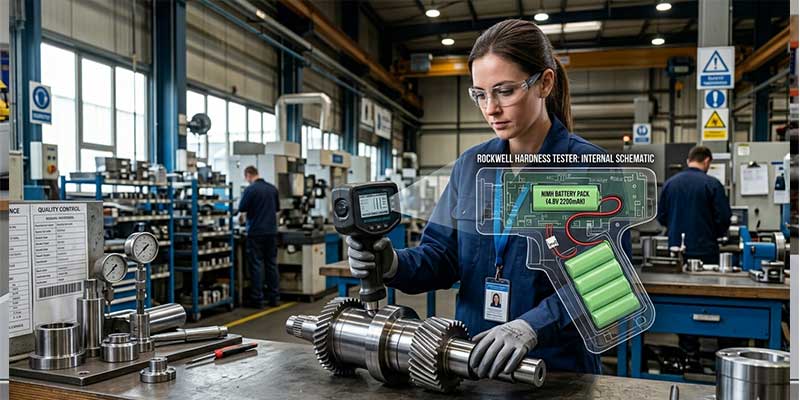
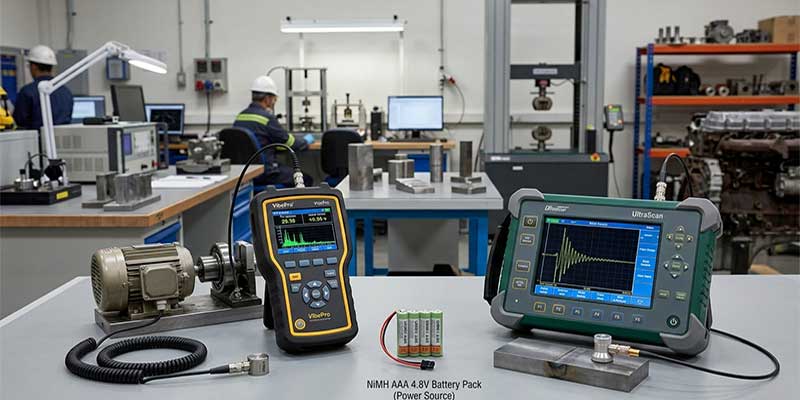
NiMH 4.8V battery powering a portable hardness tester in industrial field testing

Product Specifications: NiMH AAA 4.8V 800mAh Battery Pack

Electrical & Mechanical Parameters

The Himax NiMH AAA 4.8V 800mAh pack is built on a 4S1P configuration of four AAA-size NiMH cells, each rated at 1.2V and 800mAh. This results in a nominal pack voltage of 4.8V with a total energy capacity of 3.84Wh — sufficient for extended use in instruments drawing 50mA or less, delivering over 16 hours of continuous low-drain operation in ideal conditions.

Parameter Specification
Pack Model NiMH AAA 4.8V 800mAh
Cell Chemistry Nickel-Metal Hydride (NiMH)
Configuration 4S1P (4 cells in series)
Cell Specification NiMH AAA 1.2V 800mAh
Nominal Voltage 4.8V
Capacity 800mAh
Energy 3.84Wh
Max Charge Current ≤0.5C (≤400mA)
Max Continuous Discharge 50mA or less
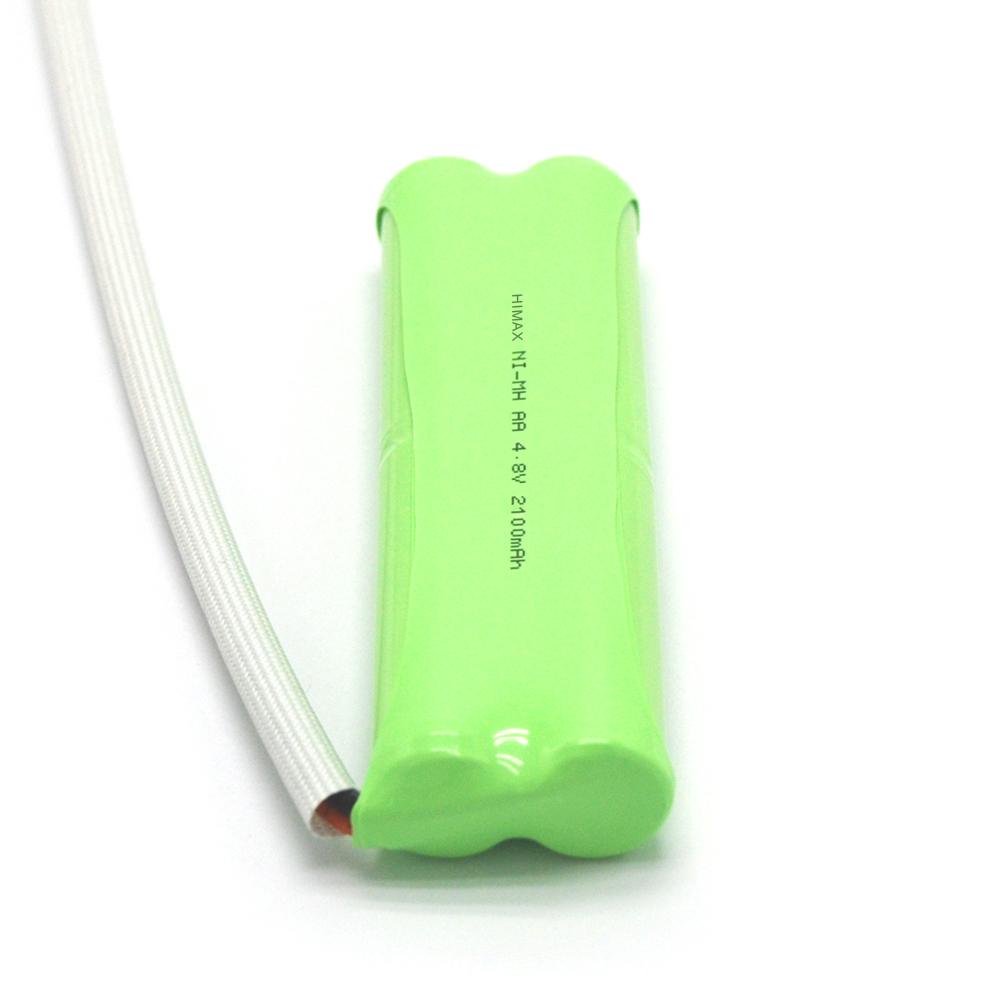
Enclosure Green PVC heat shrink
Marking / Ink-jet Code HM NiMH AAA 4.8V 800mAh 3.84Wh

Configuration & Connector Details

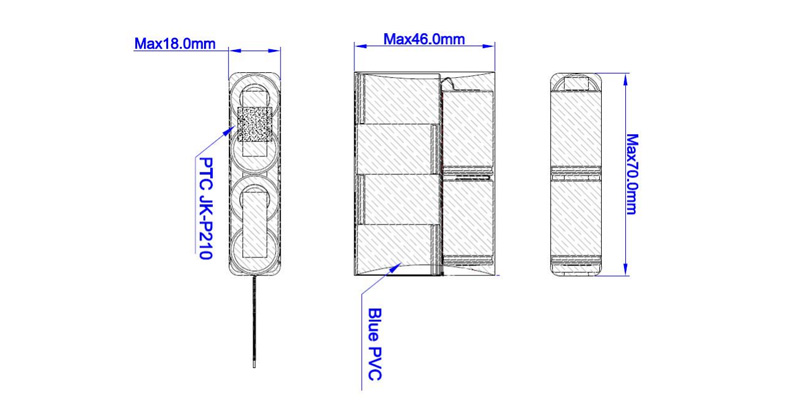
The pack arranges all four cells in a single flat row. This design helps minimize the physical footprint for space-constrained instrument housings. The external lead length is 100mm, wired to an industry-standard Molex connector system (Connector: Molex 0355070300; Terminal: Molex 0502128100), ensuring compatibility with a wide range of OEM instrument PCB designs. Wire gauge is selected according to the current rating, with no over-engineering that adds unnecessary bulk.

The green PVC heat-shrink enclosure provides electrical insulation, mechanical protection, and a clean printable surface for regulatory markings — including the mandatory ink-jet code and EU-required QR code label for battery traceability.

Key Application Scenarios in Mechanical Testing Equipment

The 4.8V 800mAh battery pack is designed to be a direct-fit solution across a broad range of mechanical equipment testing instruments. Below are the most common and commercially significant application categories.

Portable Hardness Testers

Portable Rockwell, Vickers, Brinell, and Leeb hardness testers are among the most widely used field instruments in metalworking, automotive manufacturing, and aerospace quality control. These handheld devices typically draw 30–50mA during standby and measurement cycles, placing them perfectly within the optimized discharge range of the AAA NiMH rechargeable battery pack.

NiMH’s flat discharge curve ensures that hardness readings remain accurate across the full battery cycle — a critical factor since many instruments use battery voltage as a reference for impact energy calibration in Leeb rebound testers. Using a battery with a declining voltage output (such as alkaline) can introduce systematic measurement drift that is difficult to detect without a calibration check.

Vibration Analyzers & Measurement Instruments

Vibration meters, accelerometers, and FFT analyzers used in predictive maintenance programs require continuous operation over full shift periods. For example, a field technician monitoring rotating machinery in a paper mill or automotive plant cannot afford battery interruptions. The 4.8V NiMH battery pack’s 800mAh capacity supports extended measurement sessions, while its sealed PVC construction provides resilience against the dust, oil mist, and humidity typical in industrial environments.

Low self-discharge variants of NiMH chemistry (LSD-NiMH) retain over 70% of their charge after 12 months of storage — meaning instruments that sit in a toolbox between quarterly maintenance rounds are ready to use when needed, without an emergency charge cycle.
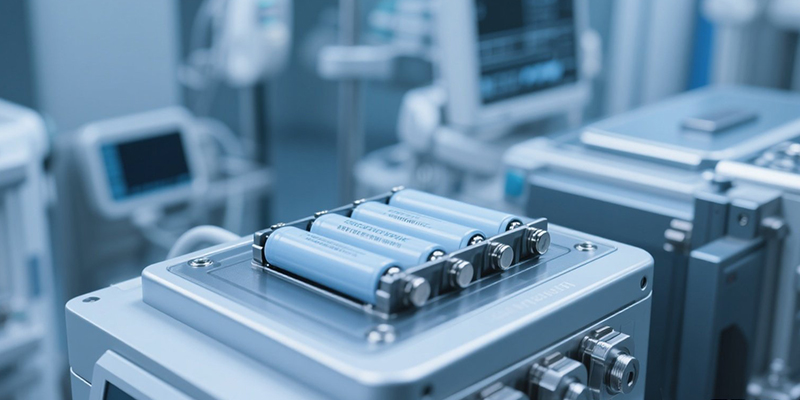
NiMH rechargeable battery pack used in vibration analyzer and NDT ultrasonic testing equipment

Torque & Force Testing Devices

Digital torque wrenches, torque analyzers, and force gauges used in assembly line calibration and quality assurance need a stable power supply that does not affect the analog-to-digital conversion chain. The NiMH AAA 4.8V cell configuration delivers a regulated supply rail that minimizes noise injection into sensitive strain gauge amplifier circuits. At a 50mA drain level, the pack operates well within the electrochemical sweet spot of NiMH cells, producing minimal internal voltage drop and maximum output stability.

Ultrasonic Flaw Detectors (NDT Equipment)

Non-destructive testing (NDT) is a cornerstone of mechanical equipment testing in industries from oil & gas pipelines to rail infrastructure inspection. Ultrasonic flaw detectors, thickness gauges, and phased array UT systems are typically handheld instruments that operate at low average currents between pulse bursts. The 4.8V 800mAh battery pack provides the stable baseline voltage these instruments require, while the Molex connector interface allows easy battery swap in multi-shift operations.

Moreover, for German and EU-based NDT service providers, this CE-marked battery pack simplifies procurement and reduces regulatory obstacles when sourcing replacement packs across EU member states.

Data Loggers & Field Measurement Devices

Environmental data loggers, pressure data recorders, and multi-channel measurement systems used in mechanical testing labs often run unattended for hours. Their microcontrollers, sensors, and wireless communication modules may draw as little as 10–20mA in sleep mode, spiking to 50mA during active sampling and data transmission. The AAA 800mAh 4.8V pack handles this variable load profile efficiently, with NiMH chemistry showing excellent charge retention even under pulsed discharge patterns.

Industrial Remote Controllers & Handheld Calibrators

Test bench remote controls, handheld calibration tools, and wireless instrument triggers are another substantial application category. These devices require compact batteries — the 4S1P single-row flat layout of the NiMH AAA 4.8V 800mAh pack fits naturally into slim-profile housing designs. The standard 4.8V bus voltage directly drives common microcontroller and RF module power rails without requiring a boost converter, simplifying instrument PCB design and reducing component count.

NiMH vs. Lithium vs. Alkaline: Why Choose NiMH for Testing Equipment

When specifying batteries for mechanical testing instruments, procurement engineers and OEM designers typically evaluate three main chemistries. The table below summarizes the key trade-offs for low-drain instrument applications:

Criterion NiMH AAA 4.8V Li-Ion / LiPo Alkaline
Discharge curve Flat (stable voltage) Flat (needs BMS) Sloping (voltage drops)
Rechargeability 500+ cycles 300–500 cycles Single use
EU transport (air) No restriction IATA Class 9 limits No restriction
RoHS / EU compliance Full compliance Requires BMS / safety IC Compliant but disposable
Low-temp performance Good (–20°C capable) Degrades below 0°C Degrades significantly
Total cost of ownership Low (rechargeable) Medium–High High (repeat purchase)
Environmental impact Low (recyclable, no Cd) Medium (Li recovery) High (single use waste)

For instruments drawing 50mA or less, lithium chemistry’s high energy density is largely unnecessary — the additional weight, cost, and transport complexity are not justified. Meanwhile, alkaline batteries are less suitable because of their sloping discharge curve and single-use waste generation. NiMH — specifically the NiMH AAA rechargeable battery in 4.8V pack format — emerges as the optimal balance of performance, compliance, and lifecycle economics for this application class.
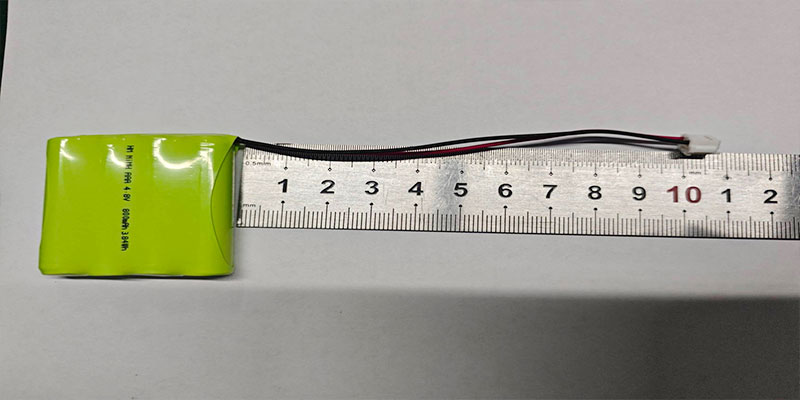
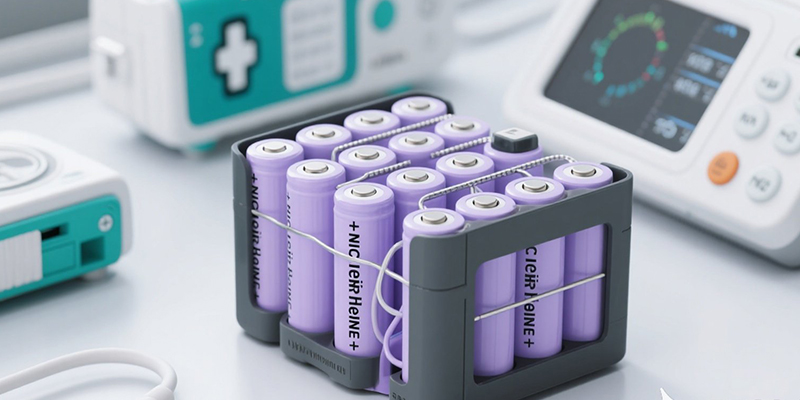
CE certified NiMH AAA 4.8V 800mAh battery pack with EU 2023/1542 compliant QR code label

EU Compliance & Certifications for the German Market

Exporting battery-powered products to Germany and the European Union requires navigating a comprehensive regulatory framework. Himax Electronics ensures every 4.8V NiMH battery pack shipped to the EU market is fully compliant with current and forthcoming regulations.

EU Battery Regulation (EU) 2023/1542

The EU Battery Regulation (EU) 2023/1542, which supersedes the previous Battery Directive 2006/66/EC, establishes new mandatory requirements for all batteries placed on the EU market. Key obligations relevant to the NiMH AAA 4.8V 800mAh pack include:

  • Mandatory carbon footprint declarations for industrial batteries above defined capacity thresholds (phased timeline from 2025–2028)
  • Battery passport requirements, enabling traceability of battery materials and end-of-life handling — addressed via the QR code on the battery label
  • Supply chain due diligence for sourcing of critical raw materials including nickel and cobalt
  • Minimum recycled content requirements for nickel, with phased compliance deadlines
  • Mandatory collection and take-back scheme registration in each EU member state, including Germany (Batteriegesetz — BattG)

Himax Electronics works with EU-accredited certification bodies to ensure alignment with (EU) 2023/1542 obligations as they come into force, providing customers with the documentation required for customs clearance and market placement in Germany.

CE Certification & Declaration of Conformity

All Himax NiMH battery packs destined for EU markets carry the CE mark, supported by a full Declaration of Conformity (DoC). The CE assessment covers applicable EU directives including the Low Voltage Directive (LVD) 2014/35/EU, the EMC Directive 2014/30/EU, and the RoHS Directive 2011/65/EU as amended. Testing is conducted in accordance with harmonized European standards, ensuring acceptance by German customs authorities (Bundeszollverwaltung) and conformity with German market surveillance requirements under the Produktsicherheitsgesetz (ProdSG).

Battery Label & QR Code Requirements

Under (EU) 2023/1542 and existing battery labeling standards, each battery pack must carry clearly legible mandatory information. The Himax NiMH AAA 4.8V 800mAh pack label includes:

  • Battery chemistry identification: NiMH
  • Nominal voltage and capacity: 4.8V / 800mAh / 3.84Wh
  • Manufacturer code: HM (Himax)
  • Crossed-out wheeled bin symbol (WEEE / separate collection requirement)
  • Chemical hazard symbols as applicable
  • QR code (printed directly on the battery label) linking to the EU Battery Passport information page — in compliance with EU Regulation requirements for battery traceability and end-of-life management

The QR code is printed to ISO/IEC 18004 standards, scannable by both consumer smartphone cameras and industrial barcode readers, ensuring compliance with the digital traceability mandate under the EU’s evolving battery passport framework.

Himax Electronics: OEM/ODM Customization & Export Support

Himax Electronics specializes in custom NiMH and lithium battery pack manufacturing for industrial, medical, and consumer instrument applications. For OEM customers integrating the 4.8V 800mAh NiMH AAA battery pack into their mechanical testing equipment, Himax offers comprehensive customization and support services:

  • Custom connector types and wire configurations beyond the standard Molex 0355070300 / 0502128100 interface
  • Custom lead lengths (standard: 100mm; alternatives available on request)
  • Custom ink-jet marking and label printing including customer brand, model codes, and EU-compliant QR codes
  • Alternative enclosure options including custom-molded hard cases for high-vibration environments
  • OEM rapid prototyping with sample lead times typically within 7–10 business days
  • Full EU compliance documentation package including CE Declaration of Conformity, test reports, and battery regulation compliance letters for German customs and regulatory filings

Our engineering team works directly with instrument designers to optimize battery pack geometry, connector placement, and charging circuit specifications — ensuring seamless integration from prototype to production volume.

Ready to source the right NiMH battery for your mechanical testing instrument? Contact Himax Electronics for a free sample, custom quotation, or EU compliance documentation package. Our team supports German and EU OEM customers from initial specification through to series production.

Conclusion

The NiMH AAA 4.8V 800mAh battery pack represents a purpose-built solution for the power requirements of modern mechanical equipment testing instruments. Its stable 4.8V output, 800mAh capacity, low self-discharge characteristics, and compact 4S1P single-row form factor address the core operational demands of portable hardness testers, vibration analyzers, torque meters, NDT equipment, and data loggers.

For OEM manufacturers and procurement teams targeting the German and EU market, the combination of CE certification, full compliance with (EU) 2023/1542, and a battery label with EU-standard QR code traceability eliminates the regulatory complexity that often delays product launches and customs clearance in Europe.

Himax Electronics brings together technical manufacturing capability and EU compliance expertise to deliver AAA NiMH rechargeable batteries that meet the exacting standards of industrial instrument applications — backed by OEM customization flexibility and dedicated export support for the European market.

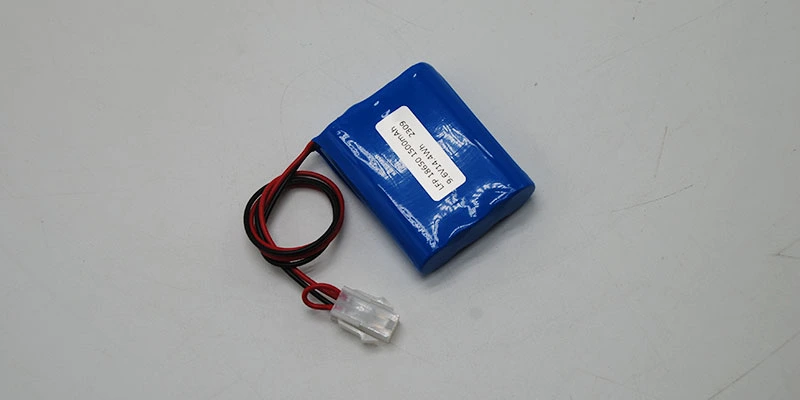
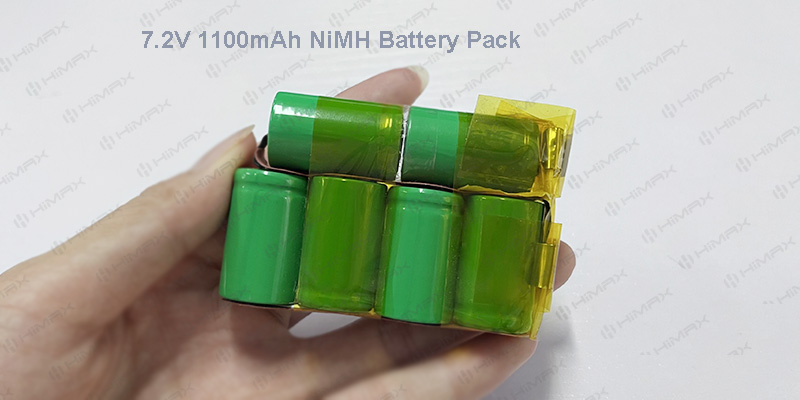
7.2V NiMH battery pack for remote control car – 1100mAh 6S1P

By Alden – Battery Engineer, Manufacturing & Quality Control

🚗 Why Battery Selection Is a Critical Decision for RC Car Manufacturers

For RC car manufacturers, choosing the right battery for remote control car is not just a component decision — it directly affects:

  • Product performance
  • Customer satisfaction
  • Return rates and warranty costs

Yet many OEM buyers still select batteries based on voltage and capacity alone.

From an engineering perspective, that approach often leads to:

  • Unstable performance
  • Inconsistent product batches
  • Increased after-sales issues

👉 The reality is simple:
Battery selection is a system-level decision, not a spec comparison.

⚙️ What RC Manufacturers Really Need (Beyond Battery Specs)

Most guides focus on parameters. But in production, three factors matter far more:

1. Performance Stability Under Load

A battery must deliver consistent output, not just nominal capacity.

  • Voltage drop affects speed response
  • Unstable discharge impacts control precision

2. Batch Consistency in Mass Production

Even small variations can cause:

  • Different driving experiences across units
  • Increased defect rates
  • Negative product reviews

3. Supply Reliability

For OEM production, battery supply must ensure:

  • Stable lead times
  • Consistent quality
  • Long-term availability

👉 In short:
You are not just choosing a battery — you are choosing a production partner.

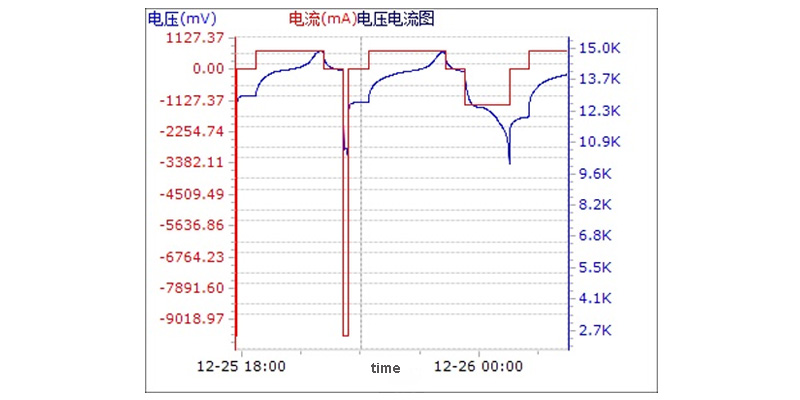
Internal resistance and discharge stability comparison for RC car NiMH batteries

🔋 Case Study: 7.2V NiMH Battery Pack for Remote Control Car Systems

To illustrate how engineering decisions affect real performance, let’s look at a practical solution.

📦 Product Overview

NiMH Battery Pack 7.2V 1100mAh (6S1P)
Designed as a reliable remote control vehicle battery for RC systems.

🔧 Key Specifications

  • Nominal Voltage: 2V (6 × 1.2V cells)
  • Capacity: 1100mAh
  • Cell Type: 2/3A NiMH rechargeable cells
  • Internal Resistance: ≤ 360mΩ
  • Max Discharge Current: 5C (550mA)
  • Cycle Life: ≥ 500 cycles
  • Weight: ~120g

🧠 What These Specs Mean in Real Applications

This is where most suppliers stop — listing numbers.
Here’s what actually matters for RC manufacturers:

  • Internal Resistance ≤ 360mΩ
    → Ensures faster response and stable signal performance
  • 5C Discharge Capability
    → Supports consistent control without lag
  • 500+ Cycle Life
    → Reduces replacement frequency and warranty costs

👉 These factors directly influence end-user experience and brand perception.

⚡ Why This Battery Focuses on Power Output, Not Runtime

A common misconception is that longer runtime equals better performance.

In reality:

👉 RC applications prioritize responsiveness over duration

This NiMH battery is engineered to:

  • Deliver stable current in short bursts
  • Maintain control signal accuracy
  • Support smooth and responsive operation

🚀 Impact on RC Car Performance

  • Faster response time
  • More precise control
  • Reduced signal instability

👉 For manufacturers, this means:
better product reviews and fewer complaints

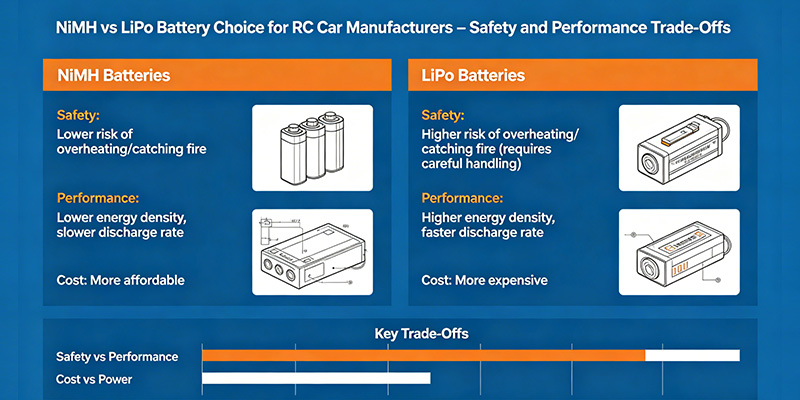
3.NiMH vs LiPo battery choice for RC car manufacturers – safety and performance trade-offs

🔄 NiMH vs LiPo: A Practical Choice for RC Manufacturers

Instead of theory, let’s focus on real production decisions.

🔷 When NiMH Is the Better Choice

  • Remote control units
  • Consumer-level RC products
  • Applications requiring higher safety margins

Benefits:

  • More stable chemistry
  • Lower risk in transport and usage
  • Easier compliance

🔶 When LiPo Is Used

  • High-performance racing vehicles
  • Extreme power demand scenarios

💡 Industry Practice

Many manufacturers adopt a hybrid approach:

👉 LiPo for vehicle + NiMH battery for remote control car system

This improves:

  • Safety
  • Reliability
  • Overall product balance

⚠️ Common Mistakes RC Battery Buyers Make

Understanding these can save significant cost.

❌ Mistake 1: Choosing Based on Price Alone

Lower upfront cost often leads to:

  • Higher failure rates
  • Increased returns

❌ Mistake 2: Focusing Only on Capacity (mAh)

Capacity does not guarantee performance.

👉 Internal resistance and discharge stability matter more.

❌ Mistake 3: Using Standard Batteries Without Optimization

Off-the-shelf solutions rarely match real product needs.

👉 Result:

  • Performance mismatch
  • Inefficient system design

🔧 Why Custom Battery Solutions Matter for RC Products

In real manufacturing environments:

👉 No two RC products have identical requirements

🧩 Customization Options Include:

  • Voltage and capacity tuning
  • Discharge performance optimization
  • Connector and wiring design
  • Battery pack structure

⚙️ Engineering Support Process

  1. Application analysis
  2. Prototype testing
  3. Performance optimization
  4. Mass production

👉 Key Insight:
Most RC manufacturers achieve better performance through battery customization, not standard products.

📊 How to Choose the Right Battery for Your RC Product

A simple framework for OEM buyers:

Step 1

Define your product positioning

  • Entry-level / Racing / Professional

Step 2

Identify priority

  • Power output
  • Runtime
  • Safety

Step 3

Select battery type

  • NiMH or LiPo

Step 4

Validate performance through testing

Step 5

Optimize through customization

👉 Avoid this mistake:
Do not select batteries purely based on catalog specs.

4.Custom battery engineering support process for RC manufacturers – from prototype to mass production

🏭 Why Work with Himax Electronics

At Himax Electronics, battery design is driven by engineering and manufacturing control, not just sales.

✔️ What We Focus On

  • Consistent production quality
  • Low defect rates
  • Stable batch performance
  • Reliable supply for OEM customers

✔️ What This Means for You

  • Fewer product issues
  • Better user experience
  • Lower long-term cost

📩 Get a Custom Battery Solution for Your RC Product

If you are sourcing:

  • battery for remote control car
  • batteries for remote control car
  • 2V NiMH battery
  • remote control vehicle battery

👉 The most effective approach is to match the battery to your product — not the other way around.

📨 Contact Us Today

Share your:

  • RC car specifications
  • Performance requirements
  • Target market

👉 Our engineering team will provide a custom battery solution tailored to your application.

Himax Electronics – Powering RC Performance with Engineered Battery Solutions

Author: Alden, Battery Engineer, Manufacturing & Quality Control
Published: April 21th, 2026

nimh-battery-models

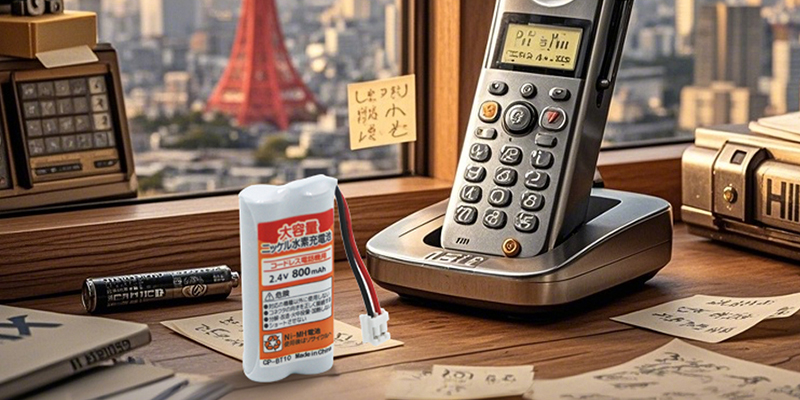
SHENZHEN, China – In an era increasingly dominated by lithium-ion solutions, the reliable Nickel-Metal Hydride (Ni-MH) battery continues to power essential communication devices effectively and safely. Shenzhen Himax Electronics Co., Ltd. highlights the enduring relevance and advantages of its 2.4V and 3.6V Ni-MH battery packs for the cordless telephone market.
The Unseen Engine of Clear Communication

Cordless phones require batteries that balance capacity, safety, longevity, and cost-effectiveness. Ni-MH technology proficiently meets these demands. A typical cordless phone handset might utilize a 2.4V (2-cell) or 3.6V (3-cell) Ni-MH battery pack, delivering the necessary power for extended talk time and standby duration. These battery packs are engineered for longevity, often supporting over 500 charge-discharge cycles in typical usage conditions, ensuring years of reliable service for end-users.

Engineered for Performance and Safety

The inherent characteristics of Ni-MH chemistry make it a particularly strong candidate for cordless phones, which are often charged in home environments. Unlike some other technologies, Ni-MH batteries are known for their robust safety profile. Furthermore, they exhibit stable performance across a range of temperatures. This reliability is crucial for ensuring clear audio quality and stable connection protocols in cordless phones, which can sometimes be affected by power fluctuations.

Modern Ni-MH batteries also feature low internal resistance, which is key to providing sufficient current for clear transmission during calls without significant voltage drop. Additionally, they are environmentally preferable as they are made from materials that are less toxic and more recyclable compared to some alternatives.

Technical Synergy with Cordless Systems

The design of Ni-MH batteries aligns well with the usage patterns of cordless phones. They are well-suited for the cyclic nature of being placed in and out of charging cradles frequently. Moreover, their compatibility with various charging algorithms allows for efficient power management within the phone’s base unit. Advanced Ni-MH formulations also demonstrate good charge retention capabilities, meaning the handset retains power even when left off the cradle for a moderate period.

Shenzhen Himax Electronics: Focusing on Reliable Power Solutions

Shenzhen Himax Electronics Co., Ltd. specializes in providing high-quality battery solutions. The company’s Ni-MH battery products for cordless phones and other applications are designed to meet stringent performance and safety standards. By focusing on quality materials and precise manufacturing processes, Himax ensures its batteries deliver consistent performance and longevity.

The company’s 2.4V and 3.6V Ni-MH battery packs for cordless phones offer a reliable and safe power source, underscoring a commitment to supporting the essential communication needs of households and businesses with technology that is both proven and dependable.

About Shenzhen Himax Electronics Co., Ltd.

Shenzhen Himax Electronics Co., Ltd. is a professional manufacturer and supplier of rechargeable battery products, including Nickel-Metal Hydride (Ni-MH) battery packs. The company is dedicated to providing reliable, safe, and environmentally conscious power solutions for a variety of consumer and commercial applications, with a focus on quality and customer satisfaction.

nimh_batteries

Nickel-metal hydride (NiMH) batteries represent a significant advancement in rechargeable technology, offering a higher capacity and a more environmentally friendly profile than their nickel-cadmium predecessors. They are ubiquitous in a wide array of devices, from high-drain digital cameras and cordless phones to everyday remotes and children’s toys. However, their performance, lifespan, and safety are profoundly influenced by how they are used, charged, and stored. Understanding the core principles behind their operation is key to unlocking their full potential and avoiding common pitfalls that lead to premature failure.

The Critical Role of Intelligent Charging

The single most important factor in maintaining NiMH battery health is the use of a high-quality, intelligent charger designed specifically for them. Unlike simple, older chargers meant for nickel-cadmium (NiCd) cells, which may rely on a simple timer, modern NiMH chargers utilize sophisticated termination algorithms to prevent overcharging.

The primary method is the –ΔV (–Delta V) detection, where the charger identifies the slight voltage drop that occurs once the battery reaches full capacity. Another common method is dT/dt, which monitors the rate of temperature increase. Using an old “dumb” charger risks severe overcharging, generating excessive heat and internal pressure that degrades the battery’s components, leads to electrolyte loss, and causes swelling or leakage. Furthermore, while fast charging is convenient, it generates more heat. Occasional use is acceptable, but for everyday charging, a standard or slow rate is gentler and preserves the battery’s chemistry over hundreds of cycles. Always charge batteries in a cool, well-ventilated area to aid heat dissipation.

nimh-battery-technolog

Navigating Discharge and The Memory Effect Myth

A common misconception is that NiMH batteries suffer from a strong “memory effect,” a phenomenon where a battery “remembers” a smaller capacity if repeatedly recharged before being fully drained. While this was a genuine concern with NiCd batteries, it is far less pronounced in NiMH technology. However, a related issue called voltage depression can occur, giving the appearance of reduced capacity.

The best practice to maintain accuracy and health is to perform a full discharge-charge cycle approximately once every month or after every 10-15 partial cycles. This recalibrates the battery’s voltage curve and helps maintain accurate capacity readings, especially in devices that display battery level. Crucially, users must avoid deep discharge. Allowing a device to drain completely until it ceases to function can push individual cells into a state of over-discharge, potentially reversing their polarity and rendering them useless. It is always better to recharge batteries shortly after the device indicates low power.

Optimal Storage Conditions for Battery Health

Batteries are not designed to sit idle for extended periods without proper preparation. The worst state to store any rechargeable battery is either fully charged or completely empty.

Storing a NiMH battery at full charge for several months accelerates its aging process and increases the rate of self-discharge. Conversely, storing it completely depleted risks allowing the cell voltage to drop below a recoverable level, leading to permanent damage. The ideal storage charge state is at a 40-60% charge level. Before storing your batteries, use them lightly or charge them to approximately half their capacity. They should then be kept in a cool, dry place at room temperature. Extreme heat is a primary enemy of battery longevity, while cold temperatures can slow self-discharge but are not necessary for casual storage.

Additional Best Practices for Safety and Performance

Do Not Mix Batteries: Never use batteries of different brands, ages, capacities, or charge levels together in a device. This imbalance forces the weaker battery to be over-discharged while the stronger one cannot fully deliver its energy, stressing all cells and creating a potential safety hazard.


Keep It Clean: Ensure the battery terminals are clean and free of corrosion. A small amount of rubbing alcohol on a cotton swab can be used to clean contacts if necessary.


Inspect for Damage: Immediately dispose of any battery that shows signs of swelling, corrosion, or leakage. Do not attempt to charge or use it.

In conclusion, nickel-metal hydride batteries are a robust and reliable power source when treated with understanding and care. By investing in a smart charger, avoiding extreme discharge states, storing them at a partial charge, and handling them responsibly, users can ensure that their NiMH batteries deliver hundreds of safe and effective cycles, maximizing their value and minimizing environmental waste.


7.2v-nimh-battery-pack-14.4v

Himax Electronics has long been recognized as a leading innovator in the battery technology sector, providing energy solutions for a variety of applications. Among its latest breakthroughs is the development of the 16.8V 2.2Ah nickel-metal hydride (NiMH) battery, specifically designed for solar panel display screens. In an era where renewable energy is taking center stage, the role of reliable and efficient battery solutions cannot be overstated. The 16.8V 2.2Ah NiMH battery by Himax represents a significant leap forward in ensuring that solar panel systems maintain consistent and accurate display readings, even under varying environmental conditions

Technical Specifications and Advantages

The 16.8V 2.2Ah NiMH battery offers a perfect balance between capacity, voltage, and reliability. With a nominal voltage of 16.8V and a capacity of 2.2Ah, this battery provides stable power output suitable for low- to medium-power devices such as solar panel display units. One of the key advantages of NiMH technology over older battery types, like NiCd, is its higher energy density and reduced memory effect, which ensures consistent performance over numerous charge-discharge cycles. Additionally, the use of NiMH chemistry enhances environmental friendliness, as it contains fewer toxic materials compared to traditional lead-acid batteries.

Application in Solar Panel Display Screens

Solar panel display screens are essential components of solar energy systems. They provide real-time information about energy production, system status, and potential errors. The reliability of these displays is heavily dependent on the battery system supporting them. Himax’s 16.8V 2.2Ah NiMH battery ensures that these screens operate without interruption, even during periods of low sunlight or unexpected power fluctuations. Its compact form factor allows for easy integration into various solar display designs, making it a flexible choice for manufacturers and system integrators.
NiMH battery advantages

Performance Under Environmental Conditions

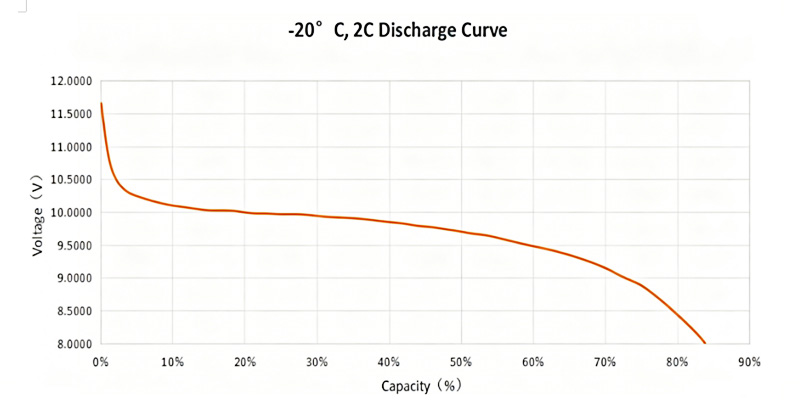
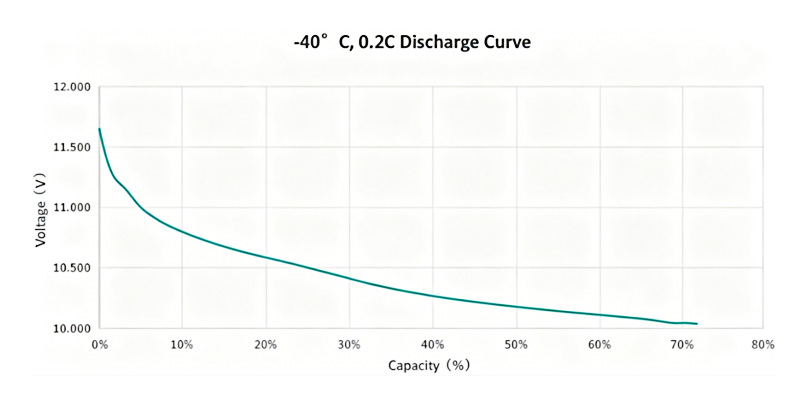
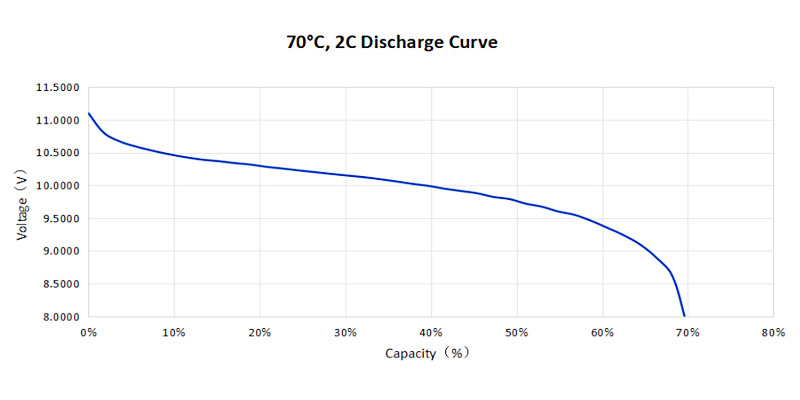
Solar panels are typically installed outdoors, where temperature and weather conditions vary significantly. Himax’s NiMH battery has been engineered to perform reliably across a broad temperature range, typically between -20°C to 70°C. This durability ensures that solar panel display screens remain functional in both hot summer months and cold winter conditions. Moreover, the battery’s robust design resists leakage and corrosion, which are common challenges in outdoor applications, thereby extending the lifespan of the display unit and reducing maintenance requirements.

Charging and Maintenance Benefits
One of the standout features of the 16.8V 2.2Ah NiMH battery is its efficient charging capabilities. NiMH batteries are well-known for their ability to accept fast charging while maintaining long-term durability. For solar applications, this means that even if the display is exposed to intermittent sunlight, the battery can recharge quickly and continue to power the display without significant downtime. Himax also provides guidance on optimal charging practices to maximize battery life, ensuring that system owners receive the full benefits of this technology over several years of operation.

Environmental Impact and Sustainability

Sustainability is a major focus for Himax, and the choice of NiMH chemistry aligns with global trends toward greener energy solutions. NiMH batteries have a lower environmental footprint compared to lead-acid or nickel-cadmium alternatives. They contain no heavy metals like cadmium or lead, making disposal safer and more environmentally responsible. In addition, their higher energy efficiency reduces the overall energy consumption of solar display units, contributing to the broader goals of renewable energy adoption and carbon footprint reduction.

Market Impact and Industry Adoption

Himax’s 16.8V 2.2Ah NiMH batteries have already seen adoption across a variety of solar panel display applications, from residential solar systems to large-scale industrial installations. The battery’s reliability, combined with its maintenance-friendly design, has made it a preferred choice among manufacturers looking to ensure their display screens function flawlessly over long periods. Furthermore, as more solar panel systems are deployed worldwide, the demand for dependable, long-lasting battery solutions is expected to grow, positioning Himax as a key player in the renewable energy components market.

Conclusion:

In summary, Himax’s 16.8V 2.2Ah NiMH battery provides an optimal solution for solar panel display screens, combining reliability, durability, and environmental sustainability. Its advanced NiMH technology ensures consistent power delivery, long operational life, and minimal maintenance requirements, even in challenging outdoor conditions. By integrating these batteries into solar display systems, Himax continues to demonstrate its commitment to innovation and excellence in the renewable energy sector. For solar energy users and system integrators alike, the 16.8V 2.2Ah NiMH battery represents a crucial step toward more efficient and dependable solar monitoring solutions.


Himax - 4/5sc Sub C Ni-Mh

In an era increasingly dominated by lithium-ion headlines, a quieter, more dependable workhorse continues to power our daily lives: Nickel-Metal Hydride (Ni-MH) battery technology. For companies like Shenzhen Himax Electronics Co., Ltd., a trusted manufacturer of high-performance batteries, the focus isn’t just on the latest trend, but on delivering proven, safe, and efficient power solutions. Through their HiMAXBATT Ni-MH battery series, Himax is demonstrating why this technology remains the preferred and often superior choice for a vast array of household appliances.

The Enduring Strengths of Ni-MH in a Modern Home

While newer technologies emerge, Ni-MH batteries offer a unique combination of benefits that make them exceptionally well-suited for the domestic environment. Their reliability stems from a robust chemical composition that balances performance with safety—a critical factor for devices used in close proximity to families.

One of the most significant advantages is their exceptional safety profile. Unlike some chemistries, standard Ni-MH batteries are highly resistant to thermal runaway, meaning they are far less likely to overheat, leak, or pose a fire hazard under normal usage conditions. This inherent safety makes them ideal for appliances that may be left unattended, handled by children, or operate in varying temperature conditions, such as cordless phones, remote controls, and kitchen timers.

Furthermore, HiMAXBATT Ni-MH batteries are known for their high energy density and consistent discharge voltage. This translates to longer runtimes for power-hungry devices. A cordless vacuum cleaner powered by a HiMAXBATT pack can maintain strong suction throughout its cycle, while a high-performance electric toothbrush can deliver steady power from the first use to the last before recharging.

Sustainability and Cost-Effectiveness: The Practical Choice

Beyond performance, the environmental and economic benefits of Ni-MH technology align perfectly with the values of modern consumers. A key feature of many HiMAXBATT Ni-MH products is their rechargeability. A single rechargeable battery can replace hundreds of single-use alkaline batteries over its lifetime. This drastically reduces household waste, lowers the total cost of ownership for consumers, and minimizes the environmental footprint associated with battery production and disposal.

This makes them a profoundly sustainable choice for high-drain devices that frequently cycle through disposable batteries. Appliances like television remote controls, computer peripherals, children’s toys, and digital cameras benefit immensely from this reusable power source. Consumers not only save money but also contribute to a reduction in the billions of batteries discarded globally each year.

HiMAXBATT: Engineering Trusted Power for Everyday Use

Shenzhen Himax Electronics leverages these inherent advantages of Ni-MH technology and enhances them through rigorous manufacturing and quality control. The HiMAXBATT brand is built on a foundation of precision engineering, ensuring each cell meets high standards for capacity, cycle life, and durability.

HiMAXBATT Ni-MH batteries are designed to withstand the rigors of daily use in home appliances. They exhibit excellent resilience to memory effect, a phenomenon where batteries temporarily lose their maximum energy capacity if repeatedly recharged after only partial discharge. Modern Ni-MH cells, like those from Himax, have significantly mitigated this issue, allowing users to recharge them at any time without worrying about significant capacity loss. This “ready-when-you-are” convenience is a major benefit for busy households.

Applications Powering Daily Life

The practical applications within the home are extensive:

Personal Care: Cordless electric shavers, toothbrushes, and hair clippers rely on Ni-MH for safe, powerful, and moisture-resistant power.

Cleaning Appliances: Handheld cordless vacuums and floor scrubbers use Ni-MH battery packs for their strong current output and reliability.

Kitchen Essentials: Digital kitchen scales, meat thermometers, and can openers benefit from long-lasting, stable power.

Home Office & Entertainment: Wireless keyboards, mice, game controllers, and remote controls are perfect candidates for rechargeable Ni-MH batteries.

Toys and Gadgets: From radio-controlled cars to portable radios and musical instruments, Ni-MH provides a safe and economical power solution for family entertainment.

nimh_battery_pack

The Future is Powered by the Right Technology for the Job

The narrative of battery technology is not about one type replacing another, but about choosing the right tool for the job. For its blend of safety, reliability, economic value, and environmental friendliness, Ni-MH technology continues to hold a vital and growing place in the global battery market.

Shenzhen Himax Electronics, through its HiMAXBATT line, remains committed to advancing and optimizing this crucial technology. By providing dependable power solutions, Himax ensures that household appliances—the silent facilitators of our daily routines—operate smoothly, safely, and efficiently, proving that trusted technology never goes out of style.

About Shenzhen Himax Electronics Co., Ltd.:
Shenzhen Himax Electronics Co., Ltd. is a professional manufacturer and supplier of high-quality batteries and battery packs. Specializing in Ni-MH technology, the company’s HiMAXBATT product line serves a global clientele, providing reliable and sustainable power solutions for consumer electronics, household appliances, and personal care devices. Committed to innovation and quality, Himax empowers the world with energy that families can trust.


NiMH battery advantages

Ni-MH (Nickel-Metal Hydride) batteries are widely used in consumer electronics, medical devices, and emergency lighting due to their high energy density, environmental friendliness, and cost-effectiveness. However, one common concern among users is the risk of electrolyte leakage, which can damage devices and reduce battery lifespan. As a leading manufacturer of high-quality Ni-MH batteries, Shenzhen Himax Electronics is committed to providing reliable solutions to prevent leakage. This article explores the causes of leakage and shares best practices to ensure long-lasting, safe battery performance.

Why Do Ni-MH Batteries Leak?

Leakage in Ni-MH batteries typically occurs due to:

Overcharging

Excessive charging generates heat and gas, increasing internal pressure and potentially breaking the battery seal.

Solution: Use smart chargers with ΔV cut-off or temperature control to prevent overcharging.

Physical Damage

Dropping or puncturing the battery can compromise its structural integrity.

Solution: Handle batteries carefully and avoid mechanical stress.

High-Temperature Exposure

Storing or operating batteries in hot environments (>45°C) accelerates electrolyte evaporation and seal degradation.

Solution: Store batteries in cool, dry conditions (20-25°C ideal).

Long-Term Storage in Discharged State

Fully discharged batteries are more prone to internal corrosion, leading to leakage.

Solution: Store Ni-MH batteries at 40-60% charge and recharge every 3-6 months.

Poor Manufacturing Quality

Inferior sealing materials or assembly defects can cause early failure.

Solution: Choose reputable brands like Himax Electronics, which uses robust sealing techniques and strict quality control.

How Himax Electronics Ensures Leakage-Free Ni-MH Batteries

At Shenzhen Himax Electronics, we implement advanced technologies to minimize leakage risks:

✅ Enhanced Sealing Design

Our batteries feature anti-corrosion materials to withstand internal pressure.

✅ Strict Quality Control

Each batch undergoes pressure tests, thermal cycling, and electrolyte stability checks.

✅ Smart Charging Compatibility

Himax Ni-MH batteries are optimized for chargers with overcharge protection, reducing gas buildup.

✅ Environmental Adaptability

Our batteries are tested for performance in extreme temperatures (-20°C to 60°C) to ensure reliability.

Best Practices for Users to Prevent Leakage


Use a Quality Charger

Avoid cheap chargers without automatic shutoff. Himax recommends chargers with -ΔV detection.


Avoid Over-Discharge

Remove batteries from devices when not in use for long periods.

Store Properly

Keep batteries in original packaging or a dry case, away from metal objects.

Inspect Regularly

Check for bulging, corrosion, or electrolyte residue—replace if detected.

Recycle Responsibly

Dispose of damaged batteries through certified e-waste recyclers to prevent environmental harm.

Conclusion: Trust Himax for Reliable Ni-MH Batteries

While no battery is entirely immune to leakage, Shenzhen Himax Electronics’ Ni-MH batteries are engineered to minimize risks through advanced sealing, rigorous testing, and user education. By following these guidelines, consumers and businesses can extend battery life and protect their devices.

For more technical insights or product inquiries, visit [Himax Electronics’ official website] or contact our support team.

About Shenzhen Himax Electronics
As a professional Ni-MH battery manufacturer, Himax Electronics specializes in high-performance, eco-friendly power solutions for global markets. Our R&D team continuously innovates to deliver safer, longer-lasting batteries for diverse applications.

nimh-battery-maintenance
Nickel-Metal Hydride (NiMH) batteries are a popular choice for many portable medical devices, such as patient monitors, infusion pumps, and ventilators, due to their high energy density, eco-friendly characteristics, and relatively low cost. However, the cycle life of NiMH batteries—the number of charge-discharge cycles they can undergo before performance significantly degrades—directly impacts a device’s efficiency and maintenance costs. To help medical device users and maintenance staff extend the lifespan of NiMH battery packs, this guide explores practical strategies to maximize their cycle life.

Understanding How NiMH Batteries Work

To extend the cycle life of NiMH batteries, it’s essential to understand their basic operating principles. NiMH batteries are rechargeable, with a positive electrode primarily made of nickel hydroxide (Ni(OH)₂), a negative electrode composed of a metal hydride (MH), and an electrolyte typically consisting of a potassium hydroxide (KOH) solution. During charging, a reversible chemical reaction occurs, storing electrical energy as chemical energy. When discharging, this chemical energy is converted back into electrical energy to power the device.

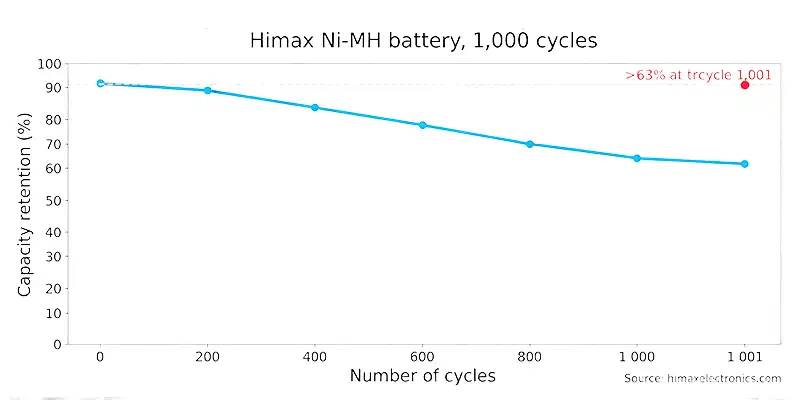
The cycle life of NiMH batteries typically ranges from 500 to 1,000 cycles, depending on factors like usage environment, charging methods, and maintenance practices. Key factors that affect cycle life include overcharging, deep discharging, high temperatures, and the memory effect. Below, we’ll explore how to optimize these factors.

Optimizing Charging Strategies to Extend Battery Life

1. Use a Smart Charger

Smart chargers dynamically adjust charging current and voltage based on the battery’s state, preventing overcharging. Overcharging can raise the battery’s internal temperature, accelerating electrode material degradation and shortening cycle life. Choose a charger designed specifically for NiMH batteries with the following features:

  • Automatic Shutoff: Stops charging when the battery is full.
  • Trickle Charging: Supplies a low current when the battery is nearly full to counter self-discharge.
  • Temperature Monitoring: Detects battery temperature to prevent overheating.

2. Avoid Frequent Shallow Charging and Discharging

While NiMH batteries have a weaker memory effect compared to Nickel-Cadmium (NiCd) batteries, frequent shallow charging and discharging (using only a portion of the battery’s capacity) can still lead to capacity fade. To counter this, perform a full charge-discharge cycle (fully depleting and then recharging the battery) about once a month to “refresh” the battery’s capacity.

3. Control Charging Environment Temperature

The optimal charging temperature for NiMH batteries is between 59°F and 77°F (15°C to 25°C). High temperatures accelerate internal chemical reactions, causing electrode material degradation, while low temperatures reduce charging efficiency. Avoid charging in extreme heat or cold, such as in direct sunlight or a cold storage area.

Using Batteries Wisely to Minimize Wear

1. Avoid Deep Discharging

Deep discharging (completely draining the battery) increases internal stress, causing irreversible damage to the electrode materials and electrolyte. Recharge the battery when it has 20%–30% capacity remaining to avoid full depletion. For medical devices, setting low-battery alerts can help prevent deep discharging.

2. Control Discharge Rate

High discharge rates (large current draws) speed up internal chemical reactions, leading to heat buildup and capacity loss. Medical devices are typically designed for moderate discharge rates, but if a device requires prolonged high-power operation, opt for a higher-capacity battery pack to reduce the discharge rate.

3. Use Batteries Regularly

Idle NiMH batteries lose capacity over time due to self-discharge and may even enter a deep discharge state. To prevent this, perform a charge-discharge cycle every three months for unused batteries and store them at 40%–60% charge to slow capacity fade.

maximize-nimh-battery-cycle-life

Optimizing Storage Conditions to Protect Batteries

1. Choose an Appropriate Storage Temperature

The ideal storage temperature for NiMH batteries is 50°F to 77°F (10°C to 25°C), with humidity levels between 50% and 70%. High temperatures accelerate self-discharge and chemical aging, while very low temperatures can cause the electrolyte to freeze. Avoid storing batteries in vehicles, basements, or humid environments.

2. Regularly Check Battery Condition

For medical devices in long-term storage, check the battery’s condition every six months, inspecting both charge level and physical appearance. If you notice a deformed casing, leakage, or corrosion, stop using the battery and replace it immediately.

Addressing the Memory Effect in NiMH Batteries

The memory effect occurs when a battery “remembers” a smaller capacity due to repeated shallow charging and discharging, reducing its usable capacity. While modern NiMH batteries have a reduced memory effect, it can still occur in certain cases. Here’s how to manage it:

  • Periodic Full Discharge: Perform a full charge-discharge cycle monthly, as mentioned earlier.
  • Vary Charge-Discharge Patterns: Allow the battery to experience different charge and discharge depths to prevent forming a “memory.”

Choosing High-Quality NiMH Battery Packs

The quality of the battery itself directly impacts its cycle life. Opt for reputable brands of NiMH battery packs that meet these standards:

  • High-Purity Materials: Quality electrodes and electrolytes reduce side reactions.
  • Stringent Manufacturing Processes: Ensure consistency and stability.
  • Safety Certifications: Look for UL, CE, or RoHS certifications to guarantee safety and environmental compliance. Additionally, select a battery with the appropriate capacity and voltage for your medical device to avoid overuse or reduced efficiency due to mismatched specifications.

Frequently Asked Questions

3. Can NiMH batteries be charged overnight?

Overnight charging is not recommended unless using a smart charger. Prolonged charging can lead to overcharging, which harms battery life.

4. How do I know when to replace a battery?

Replace the battery if its runtime drops significantly (e.g., to 50% of its original capacity) or if it fails to reach a full charge.

5. What advantages do NiMH batteries have over lithium batteries?

NiMH batteries are more cost-effective, safer, and perform better in low-temperature environments, making them suitable for specific medical devices.

About HIMAX’s NiMH Battery

HIMAX is dedicated to providing high-performance, eco-friendly NiMH battery solutions for customers worldwide. Our NiMH batteries are made with premium materials and advanced manufacturing processes, undergoing rigorous quality testing to meet international safety and environmental standards. Designed for medical devices, industrial applications, and portable electronics, HIMAX NiMH batteries offer high cycle life, low self-discharge rates, and stable performance.

NI-MH 1.2V 2000mAh

1.2v-nimh-battery
Does the thought of a power outage keep you up at night? Are you haunted by the costly downtime of critical equipment? Uninterruptible Power Supply (UPS) systems serve as the unsung heroes, ensuring stable operation in industries like power, petrochemicals, and rail transportation. At the heart of these systems lies the battery pack, where performance and longevity directly determine reliability. The 1.2V 2500mAh Ni-MH battery pack shines as a star in industrial UPS applications, thanks to its exceptional performance, extended lifespan, and eco-friendly design. This article dives into the three key technologies that extend the lifespan of Ni-MH battery packs, unveiling the secrets behind high-performance batteries while offering practical tips to help you choose and maintain the ideal UPS battery solution.

Why Ni-MH Batteries Are the “Trusted Guardians” of Industrial UPS Systems

Why do Ni-MH batteries dominate in industrial UPS systems? With high energy density, eco-friendly credentials, and stable discharge performance, they’re the go-to choice for many industries. Compared to traditional lead-acid batteries, Ni-MH batteries are like a “green knight,” boasting impressive advantages:

  • Eco-Friendly and Pollution-Free: Free of harmful heavy metals like lead or mercury, Ni-MH batteries are as pure as a clear spring, aligning perfectly with modern industry’s push for sustainability.
  • Long Cycle Life for Durability: High-quality Ni-MH batteries can handle hundreds of charge-discharge cycles, acting like an tireless “long-distance runner” powering industrial applications.
  • Low Self-Discharge for Efficient Energy Storage: Modern Low Self-Discharge (LSD) Ni-MH batteries retain ample power even after long storage, cutting maintenance costs and earning the title of “energy guardian.”
  • Thrives in Extreme Conditions: From -20°C chills to 60°C heat, Ni-MH batteries perform reliably, like an “all-weather warrior” tackling the toughest industrial environments.

In industrial UPS systems, the 1.2V 2500mAh Ni-MH battery pack, with flexible series-parallel configurations, supports various voltage platforms like 6V or 12V, delivering uninterrupted backup power to critical equipment. But the question remains: how can you make this “heart” of the system beat longer? The following three key technologies hold the answer!

Three Key Technologies to Extend Ni-MH Battery Pack Lifespan

1. Optimized Electrode Materials and Manufacturing Processes: Building a “Steel Core” for Batteries

Does a battery’s lifespan depend on its inner “strength”? Absolutely! The performance of electrode materials is the cornerstone of Ni-MH battery longevity. Top-tier Ni-MH battery packs integrate smart Battery Management Systems (BMS), infusing a “digital brain” into the battery:

  • High-Performance Negative Electrode Alloy: The negative electrode materials of traditional nickel-metal hydride batteries are easily “exhausted” during repeated charging and discharging, and the crystal structure degenerates, resulting in capacity decay. Technologically mature companies will use advanced rare earth alloys (such as LaNi5-based alloys) to optimize the formula and microstructure to make the negative electrode materials “indestructible”, corrosion-resistant, and have excellent cycle stability. Even after hundreds of charge and discharge cycles, the capacity remains strong!
  • Enhanced Positive Electrode Materials: The positive electrode, made of nickel hydroxide (Ni(OH)2), incorporates nanoscale cobalt and zinc compounds, acting like a “protective shield” to boost conductivity and electrochemical stability while minimizing degradation risks at high temperatures.
  • Precision Manufacturing Processes: Advanced electrode coating and winding techniques ensure a mirror-smooth electrode surface, reducing internal resistance and boosting charge-discharge efficiency. This not only extends battery life but also ensures seamless performance in high-load industrial settings.

2. Low Self-Discharge Technology (LSD Ni-MH): Keeping Power “Locked In”

Does silent power leakage frustrate you? In long-term storage or low-frequency use, self-discharge was once a weak point for Ni-MH batteries. High-quality 1.2V 2500mAh Ni-MH battery packs now leverage Low Self-Discharge (LSD) technology, ensuring power stays “loyal” over time:

  • Advanced Separator Materials: High-polymer separators act like a “sturdy fortress wall,” blocking internal chemical reactions and minimizing power loss. Compared to traditional separators, these materials offer superior ion selectivity and lower leakage currents.
  • Optimized Electrolyte Formulations: By fine-tuning the ratio of antioxidants in the electrolyte, self-discharge reactions during idle states are suppressed. Tests show that premium LSD Ni-MH batteries retain up to 85% of their charge after a year in storage, far surpassing the 60-70% of traditional batteries, earning them the title of “energy longevity stars.”
  • Smart Encapsulation Technology: Thinner yet stronger battery casings serve as a “sealed treasure chest,” effectively blocking moisture and oxygen infiltration to further reduce self-discharge rates.

3. Smart Battery Management System (BMS): Infusing a “Digital Brain” into Batteries

In industrial UPS systems, is charge-discharge management critical? The answer is obvious! Overcharging, over-discharging, or extreme temperatures can severely damage a battery. A high-quality Ni-MH battery pack integrates a smart Battery Management System (BMS), acting as a “digital brain”:

  • Precise Charge-Discharge Control: The BMS, like a “meticulous steward,” monitors voltage, current, and temperature in real time, dynamically adjusting the charging curve. When the battery nears its 1.4V full-charge state, it switches to trickle charging, protecting electrode materials and extending lifespan.
  • Temperature Compensation: In scorching heat or freezing cold, the BMS acts like a “climate master,” adjusting charging rates based on environmental conditions to prevent thermal runaway or capacity loss at low temperatures.
  • Fault Diagnosis and Protection: The BMS keenly detects abnormalities, such as voltage imbalances in individual cells, and triggers power cutoffs or alarms to safeguard the battery, acting like a “loyal sentinel.”

With the support of a smart BMS, Ni-MH battery packs achieve 800-1000 charge-discharge cycles, far surpassing the 500 cycles of traditional batteries, making them a “legend of longevity”!

Practical Maintenance Tips: Keeping Batteries “Forever Young”

Beyond cutting-edge technology, can proper maintenance extend battery life? Here are practical tips to keep your Ni-MH battery pack vibrant and durable:

  • Create an Ideal Environment: Place the UPS system in a well-ventilated area with temperatures between 5-40°C, avoiding direct sunlight or high humidity—like giving your battery a “cozy home.”
  • Regular Inspections and Calibration: Check battery voltage and capacity every 6-12 months, performing a full charge-discharge cycle if needed, like giving your battery a “health checkup.”
  • Avoid Deep Discharge: Never let the battery drop below 0.9V, as deep discharge accelerates electrode aging, akin to “overtaxing its health.”
  • Use a Dedicated Charger: Choose a charger designed for Ni-MH batteries to avoid excessive voltage or current, like providing “tailored nutrition” for your battery.

SEO Tip: Search for “Ni-MH battery maintenance” or “UPS battery care” to find more practical tips for extending battery life!

Ni-MH vs. Lithium Batteries: Which Is the “Best Partner” for Industrial UPS?

In industrial UPS systems, which is better: Ni-MH or lithium batteries? Lithium batteries are known for high energy density and long cycle life, but their high costs and safety risks at elevated temperatures can be deterrents. In contrast, Ni-MH batteries are like a “steady and reliable partner.” Their 1.2V platform makes them easy to swap with traditional dry cells, with simpler electrical control designs and superior safety.

HIMAX Ni-MH Battery Pack: The “Powerhouse” for Industrial UPS

HIMAX is dedicated to delivering high-performance, long-lasting battery solutions for industrial users. Our 1.2V 2500mAh Ni-MH battery pack is tailored for industrial UPS systems, combining low self-discharge technology, optimized electrode materials, and a smart BMS to offer unmatched advantages:

  • Ultra-Long Lifespan for Cost Savings: Supports up to 1000 charge-discharge cycles, reducing replacement frequency and long-term costs!
  • High Reliability for Uninterrupted Power: Rigorously tested for industrial-grade performance, ensuring critical equipment stays powered in harsh environments!
  • Eco-Friendly and Responsible: Free of heavy metal pollution, compliant with international environmental standards, and contributing to sustainability!
  • Customizable and Flexible: Offers diverse series-parallel configurations to meet the needs of various UPS systems!

HIMAX Tips 1: Why NiMH battery packs are ideal for sustainable energy solutions

HIMAX Tips 2: How to store NiMH batteries?

NI-MH 1.2V 2000mAh

In the rapidly evolving world of security technology, reliable power solutions are critical for uninterrupted surveillance. Among the various battery options available, Nickel-Metal Hydride (Ni-MH) SC 1.2V 3000mAh batteries have emerged as a dependable choice for CCTV systems. Manufactured by Shenzhen Himax Electronics Co., Ltd, these Ni-MH battery offer high capacity, long cycle life, and environmental safety, making them ideal for security applications.

This article explores how Ni-MH batteries improve CCTV performance, why they are a sustainable alternative to traditional power sources, and their key advantages in security systems.

1. Why Ni-MH Battery is Ideal for CCTV Systems

High Capacity & Long Runtime

The high capacity ensures extended operation, reducing the frequency of battery replacements. This is crucial for 24/7 surveillance, where power interruptions can compromise security.

Stable Voltage Output

Unlike some rechargeable batteries that experience voltage drops, Ni-MH SC batteries maintain a steady 1.2V output, ensuring consistent performance for CCTV cameras and recording devices.

Wide Temperature Tolerance

CCTV systems often operate in varying climates. Himassi Ni-MH SC batteries perform reliably in both high and low temperatures, making them suitable for outdoor and indoor surveillance.


2. Why the Ni-MH Battery Beats Alternatives

Ni-MH Battery: An Eco-Friendly & Safe Choice

Compared to Ni-Cd (Nickel-Cadmium) batteries, Ni-MH batteries contain no toxic cadmium, making them environmentally friendly and compliant with global regulations.

Low Self-Discharge: Why Ni-MH Battery Holds Charge Longer

Many rechargeable batteries lose charge when idle. Himassi Ni-MH SC batteries feature a low self-discharge rate, retaining power for longer periods—essential for backup power in CCTV setups.

Ni-MH Battery Offers 500+ Cycles for Long-Term Savings

With up to 500+ charge cycles, these batteries offer long-term cost savings compared to disposable alkaline batteries, which need frequent replacement.

3. Applications in CCTV & Security Systems

Backup Power for Wireless Cameras

Wireless CCTV cameras rely on efficient battery power. The high capacity ensures prolonged operation during power outages.

Solar-Powered Surveillance Systems

Ni-MH batteries pair well with solar-powered CCTV setups, storing energy efficiently for nighttime or low-light surveillance.

Emergency Power for DVR/NVR Systems

In case of mains failure, Ni-MH SC batteries can provide temporary power to Digital Video Recorders (DVRs) and Network Video Recorders (NVRs), preventing data loss.

4. Why Choose HiMASSi Ni-MH Batteries?

As a trusted manufacturer, Shenzhen Himax Electronics Co., Ltd ensures:
✔ High-quality materials for durability
✔ Strict quality control
✔ Competitive pricing without compromising performance
✔ Custom solutions for specialized security needs

Ni-MH Battery

Conclusion

The Ni-MH battery is a smart, sustainable, and cost-effective power solution for CCTV and security systems. With high capacity, stable performance, and eco-friendly benefits, it outperforms traditional battery options.

For security integrators and businesses seeking long-lasting, reliable power, HiMASSi Ni-MH batteries provide the ideal balance of performance and sustainability.