Battery for Remote Control Car: How RC Manufacturers Choose the Right NiMH Battery Pack
By Alden – Battery Engineer, Manufacturing & Quality Control
🚗 Why Battery Selection Is a Critical Decision for RC Car Manufacturers
For RC car manufacturers, choosing the right battery for remote control car is not just a component decision — it directly affects:
- Product performance
- Customer satisfaction
- Return rates and warranty costs
Yet many OEM buyers still select batteries based on voltage and capacity alone.
From an engineering perspective, that approach often leads to:
- Unstable performance
- Inconsistent product batches
- Increased after-sales issues
👉 The reality is simple:
Battery selection is a system-level decision, not a spec comparison.
⚙️ What RC Manufacturers Really Need (Beyond Battery Specs)
Most guides focus on parameters. But in production, three factors matter far more:
1. Performance Stability Under Load
A battery must deliver consistent output, not just nominal capacity.
- Voltage drop affects speed response
- Unstable discharge impacts control precision
2. Batch Consistency in Mass Production
Even small variations can cause:
- Different driving experiences across units
- Increased defect rates
- Negative product reviews
3. Supply Reliability
For OEM production, battery supply must ensure:
- Stable lead times
- Consistent quality
- Long-term availability
👉 In short:
You are not just choosing a battery — you are choosing a production partner.
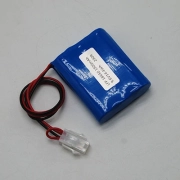
🔋 Case Study: 7.2V NiMH Battery Pack for Remote Control Car Systems
To illustrate how engineering decisions affect real performance, let’s look at a practical solution.
📦 Product Overview
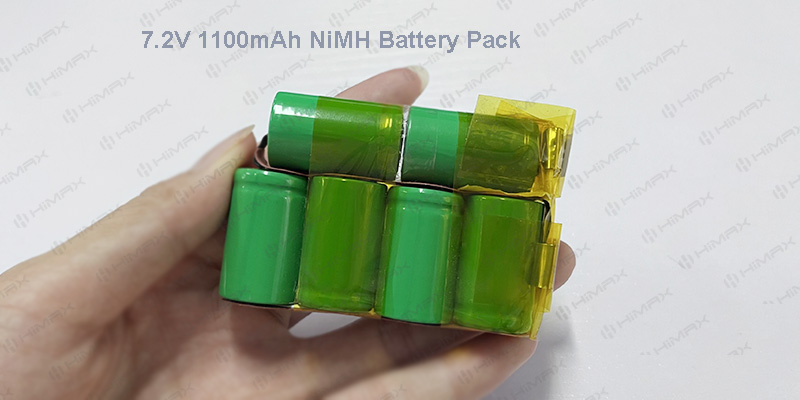
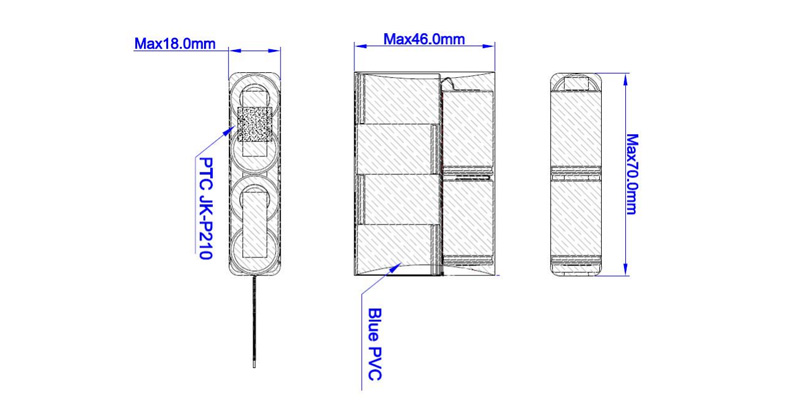
NiMH Battery Pack 7.2V 1100mAh (6S1P)
Designed as a reliable remote control vehicle battery for RC systems.
🔧 Key Specifications
- Nominal Voltage: 2V (6 × 1.2V cells)
- Capacity: 1100mAh
- Cell Type: 2/3A NiMH rechargeable cells
- Internal Resistance: ≤ 360mΩ
- Max Discharge Current: 5C (550mA)
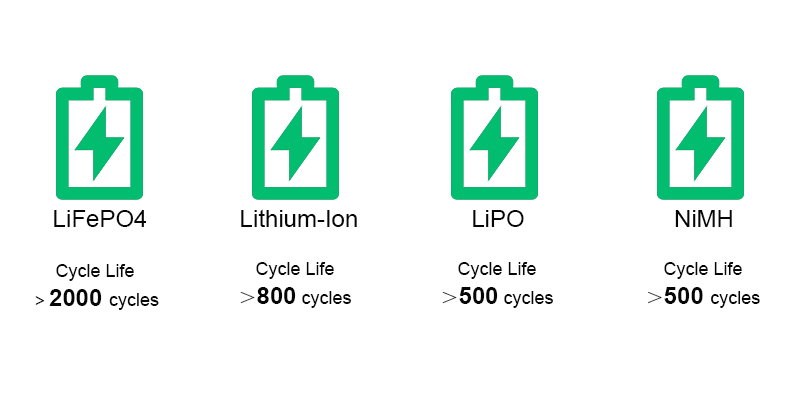
- Cycle Life: ≥ 500 cycles
- Weight: ~120g
🧠 What These Specs Mean in Real Applications
This is where most suppliers stop — listing numbers.
Here’s what actually matters for RC manufacturers:
- Internal Resistance ≤ 360mΩ
→ Ensures faster response and stable signal performance - 5C Discharge Capability
→ Supports consistent control without lag - 500+ Cycle Life
→ Reduces replacement frequency and warranty costs
👉 These factors directly influence end-user experience and brand perception.
⚡ Why This Battery Focuses on Power Output, Not Runtime
A common misconception is that longer runtime equals better performance.
In reality:
👉 RC applications prioritize responsiveness over duration
This NiMH battery is engineered to:
- Deliver stable current in short bursts
- Maintain control signal accuracy
- Support smooth and responsive operation
🚀 Impact on RC Car Performance
- Faster response time
- More precise control
- Reduced signal instability
👉 For manufacturers, this means:
better product reviews and fewer complaints
🔄 NiMH vs LiPo: A Practical Choice for RC Manufacturers
Instead of theory, let’s focus on real production decisions.
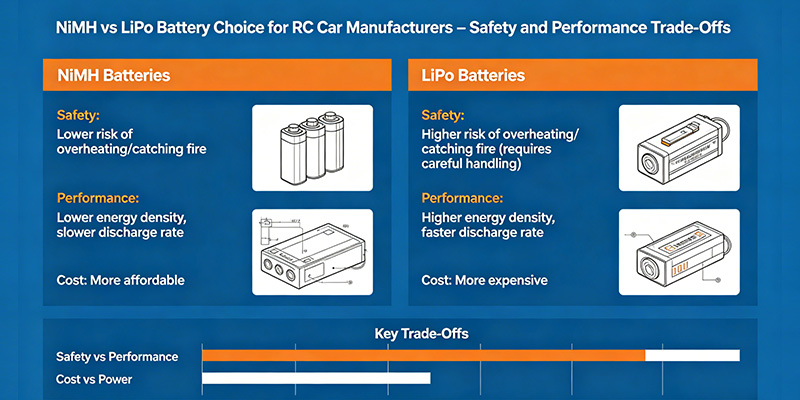
🔷 When NiMH Is the Better Choice
- Remote control units
- Consumer-level RC products
- Applications requiring higher safety margins
Benefits:
- More stable chemistry
- Lower risk in transport and usage
- Easier compliance
🔶 When LiPo Is Used
- High-performance racing vehicles
- Extreme power demand scenarios
💡 Industry Practice
Many manufacturers adopt a hybrid approach:
👉 LiPo for vehicle + NiMH battery for remote control car system
This improves:
- Safety
- Reliability
- Overall product balance
⚠️ Common Mistakes RC Battery Buyers Make
Understanding these can save significant cost.
❌ Mistake 1: Choosing Based on Price Alone
Lower upfront cost often leads to:
- Higher failure rates
- Increased returns
❌ Mistake 2: Focusing Only on Capacity (mAh)
Capacity does not guarantee performance.
👉 Internal resistance and discharge stability matter more.
❌ Mistake 3: Using Standard Batteries Without Optimization
Off-the-shelf solutions rarely match real product needs.
👉 Result:
- Performance mismatch
- Inefficient system design
🔧 Why Custom Battery Solutions Matter for RC Products
In real manufacturing environments:
👉 No two RC products have identical requirements
🧩 Customization Options Include:
- Voltage and capacity tuning
- Discharge performance optimization
- Connector and wiring design
- Battery pack structure
⚙️ Engineering Support Process
- Application analysis
- Prototype testing
- Performance optimization
- Mass production
👉 Key Insight:
Most RC manufacturers achieve better performance through battery customization, not standard products.
📊 How to Choose the Right Battery for Your RC Product
A simple framework for OEM buyers:
Step 1
Define your product positioning
- Entry-level / Racing / Professional
Step 2
Identify priority
- Power output
- Runtime
- Safety
Step 3
Select battery type
- NiMH or LiPo
Step 4
Validate performance through testing
Step 5
Optimize through customization
👉 Avoid this mistake:
Do not select batteries purely based on catalog specs.
🏭 Why Work with Himax Electronics
At Himax Electronics, battery design is driven by engineering and manufacturing control, not just sales.
✔️ What We Focus On
- Consistent production quality
- Low defect rates
- Stable batch performance
- Reliable supply for OEM customers
✔️ What This Means for You
- Fewer product issues
- Better user experience
- Lower long-term cost
📩 Get a Custom Battery Solution for Your RC Product
If you are sourcing:
- battery for remote control car
- batteries for remote control car
- 2V NiMH battery
- remote control vehicle battery
👉 The most effective approach is to match the battery to your product — not the other way around.
📨 Contact Us Today
Share your:
- RC car specifications
- Performance requirements
- Target market
👉 Our engineering team will provide a custom battery solution tailored to your application.
Himax Electronics – Powering RC Performance with Engineered Battery Solutions
Author: Alden, Battery Engineer, Manufacturing & Quality Control
Published: April 21th, 2026