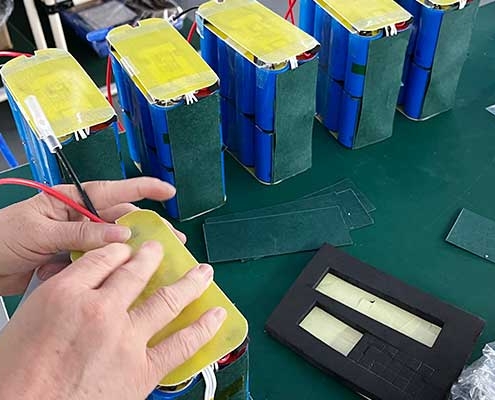
1.Battery Systems Built for Pump-Driven Dynamics
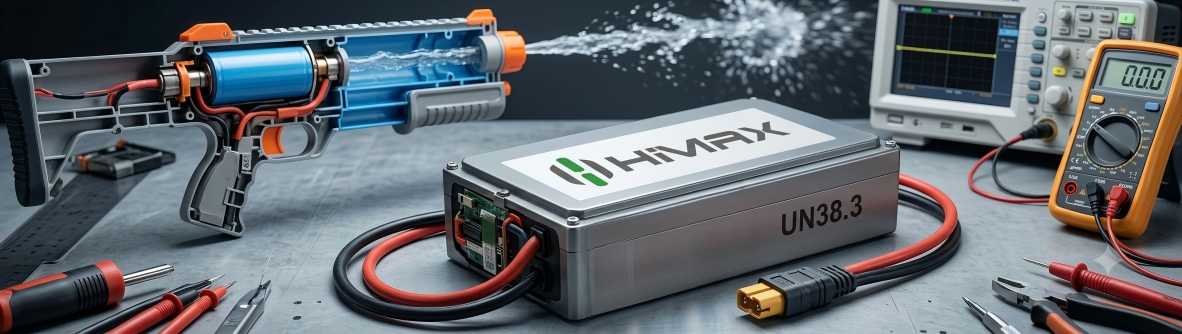
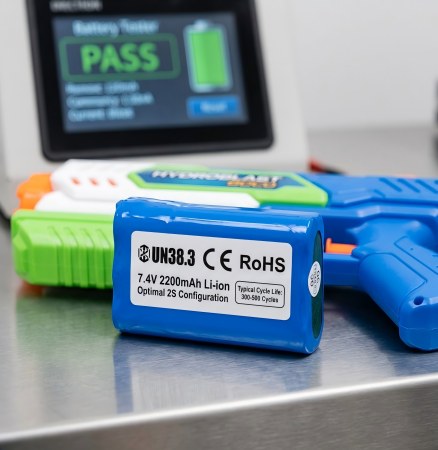
Electric water guns operate on dynamic motor loads rather than steady electronic consumption, meaning battery performance directly determines shooting consistency rather than just runtime.
- High pulse current demand → requires low internal resistance cells
- Repeated trigger cycles → causes micro heat accumulation
- Pump startup spikes → stress weak battery structures
Failure mechanism:
- Voltage drop → reduced shooting distance
- Current limitation → intermittent water output
- Heat buildup → safety cut-off or deformation
→ Ask for discharge curve matching with your pump system.
2.Waterproof Safety Architecture for Real Use Conditions
Unlike dry electronics, electric water guns face continuous exposure to splash water, humidity, and accidental ingress.
- Sealed casing structures (IPX4–IPX7 configurable)
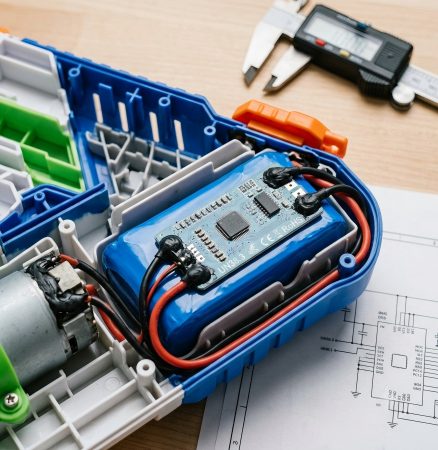
- PCB conformal coating to prevent condensation short circuits
- Multi-layer insulation for vibration + moisture protection
Failure mechanism:
- Water ingress → internal short circuit
- Condensation → PCB corrosion
- Poor sealing → progressive failure over time
→ Request waterproof validation structure design.
3.Stable Output Defines Shooting Experience
User experience depends more on voltage stability than nominal capacity.
- Flat discharge curve → consistent shooting pressure
- Optimized 1S/2S design → balance weight and power
- Controlled thermal rise → avoids sudden shutdown
Failure mechanism:
- Weak shooting → voltage sag under load
- Sudden stop → BMS triggered by overcurrent/heat
- Fast drain perception → mismatch between load and battery
→ Request real-use simulation testing.
4.Flexible OEM & Structural Customization
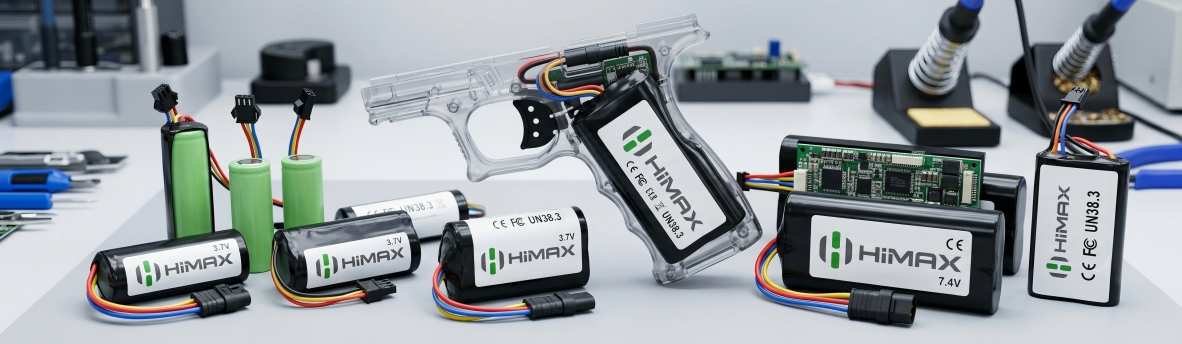
Battery packs must adapt to compact handheld designs.
- Voltage: 3.7V / 7.4V
- Capacity: 1200–3000mAh
- Compact structure for grip integration
- Waterproof connectors & wiring
- BMS tuned for motor startup
→ Send your internal layout for engineering evaluation.
5.Mass Production Consistency Control
Designed for seasonal demand peaks.
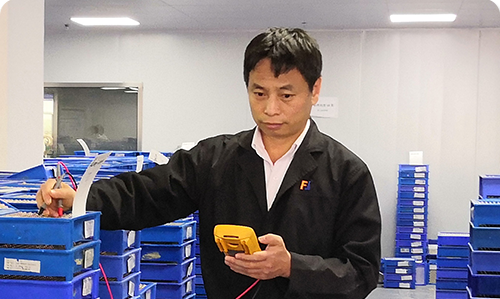
- Automated IR/voltage matching
- Waterproof sealing inspection
- Batch traceability
Failure risk control:
- Inconsistent cells → unstable output
- Poor sealing → high return rate
→ Explore production stability solutions.
6.Global Logistics & Compliance Support

- UN38.3 certified packaging
- Air/sea freight support
- Export compliance documentation
→ Optimize your supply chain delivery.
7.Frequently Asked Questions
Q1: What battery type is best for electric water guns?
Lithium-ion 1S or 2S packs are widely used due to their balance between size, weight, and discharge capability, ensuring sufficient current for pump startup while maintaining compact handheld design without excessive heat buildup.
Q2: Why does shooting pressure become weaker over time?
This is typically caused by voltage sag under load or increased internal resistance, which limits current delivery to the motor, resulting in reduced pump efficiency and shorter shooting distance during continuous use.
Q3: How do you prevent battery overheating in continuous firing?
By selecting low internal resistance cells and integrating BMS current control with thermal thresholds, the system reduces excessive current draw and prevents heat accumulation during repeated trigger activation cycles.
Q4: Can the battery handle water exposure safely?
Yes, with proper sealed housing structures and PCB coating, the battery can resist splash and humidity; however, inadequate sealing or structural gaps may still lead to gradual internal damage over time.