1.Battery Behavior in Continuous Low-Load Systems
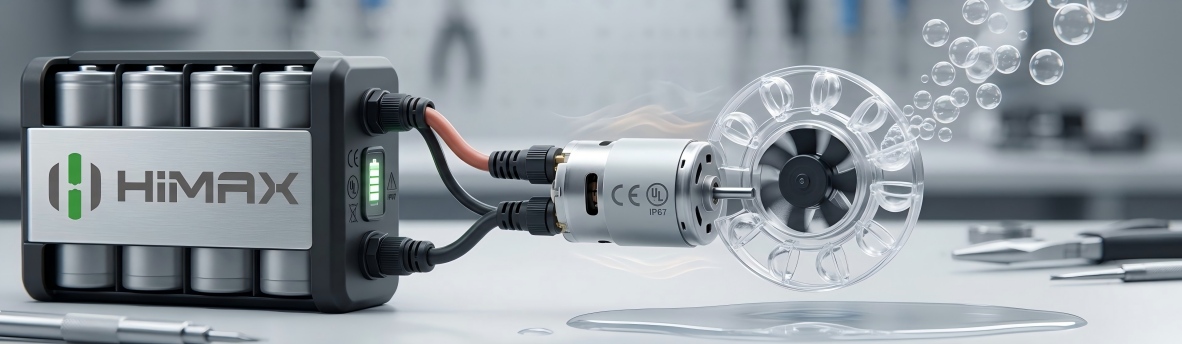
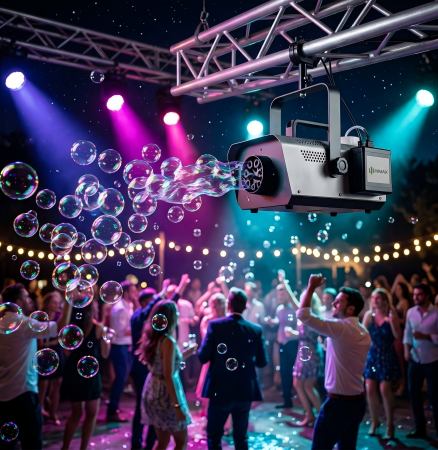
Bubble machines operate differently from high-drain devices. Instead of short bursts, they require continuous low-to-medium current output with high stability over time.
- Fan + bubble wheel → steady rotational load
- Long runtime → accumulation of thermal and efficiency loss
- Liquid exposure → electrical isolation becomes critical
Failure mechanism:
- Voltage fluctuation → uneven bubble output
- Low efficiency discharge → reduced runtime perception
- Continuous micro-heat → internal aging acceleration
→ Battery design must prioritize stability over peak power.
2.Liquid Exposure & Structural Protection Strategy
Unlike dry-use electronics, bubble machines operate in environments where liquid solution and mist are constantly present.
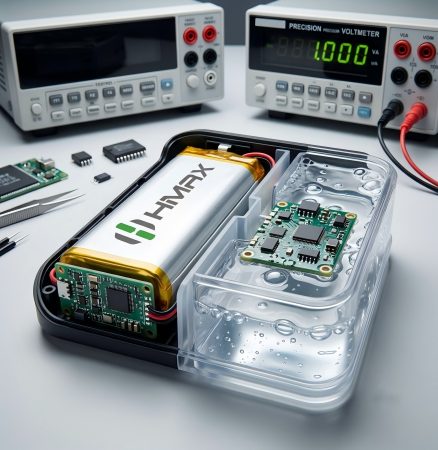
- Semi-sealed battery compartments
- Coated PCB to prevent liquid-induced leakage
- Insulation barriers between liquid tank and battery
Failure mechanism:
- Liquid seepage → slow internal corrosion
- Residue accumulation → conductivity pathways
- Poor sealing → delayed but inevitable failure
→ Protection must address both direct contact and vapor exposure.
3.Output Stability Defines Visual Effect Consistency
Bubble density and visual effect depend on stable motor speed rather than nominal battery capacity.
- Stable voltage → uniform fan speed
- Controlled discharge → consistent bubble size
- Balanced power delivery → avoids airflow fluctuation
Failure mechanism:
- Speed variation → inconsistent bubble formation
- Voltage drop → fewer bubbles over time
- Intermittent output → poor user experience
→ Performance tuning must align with motor speed stability.
4.Compact & Flexible Battery Customization
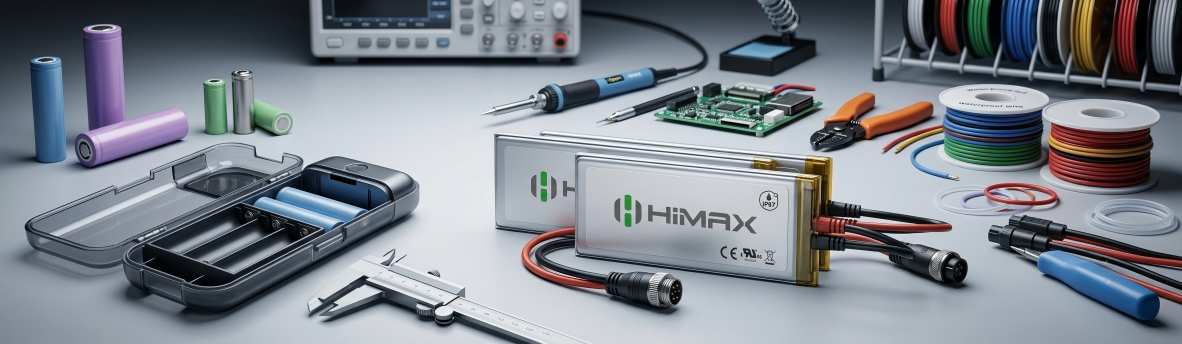
Bubble machines require compact integration with aesthetic-focused product design.
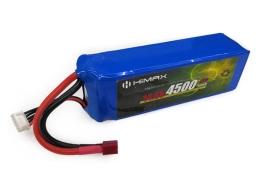
- Voltage options: 3.7V / 7.4V
- Capacity range: 1200–4000mAh
- Slim pack design for hidden compartments
- Waterproof wiring and connectors
- BMS tuned for long-duration operation
→ Provide your enclosure design for precise battery fitting.
5.Production Consistency for Consumer Devices
Consistency is critical for visual-output devices where performance differences are easily noticeable.
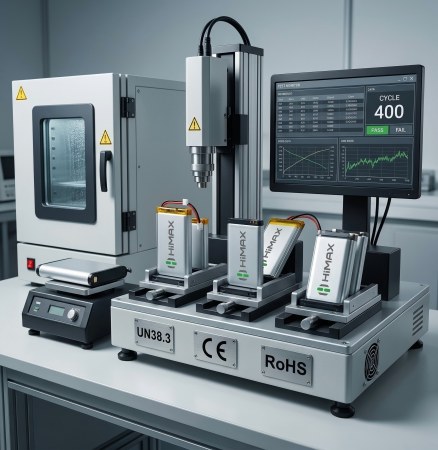
- Cell matching for uniform discharge
- Continuous runtime testing
- Structural sealing verification
Failure risk:
- Output inconsistency → visible product quality variation
- Early degradation → negative user feedback
→ Stable production ensures consistent visual experience.
6.Global Logistics & Compliance
-
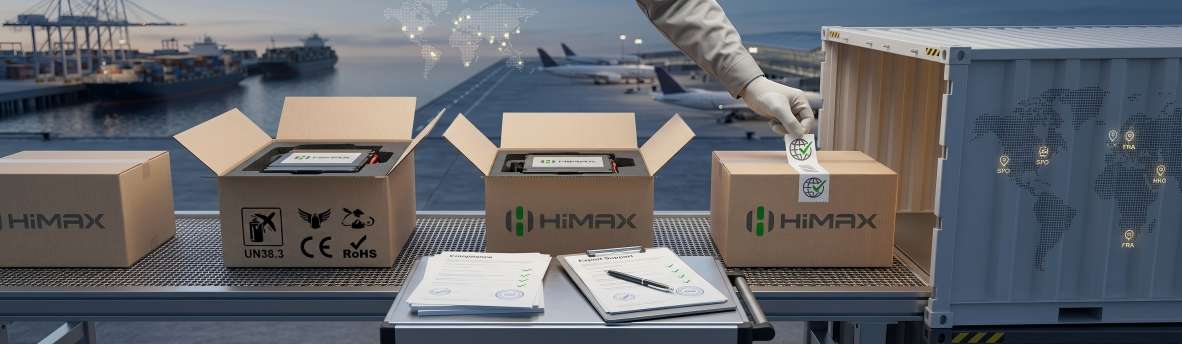
UN38.3 compliant shipping
-
CE / RoHS documentation
-
Consumer product export support
→ Simplify your global distribution process.
7.Frequently Asked Questions
Q1: What battery is commonly used in bubble machines?
Most bubble machines use 3.7V or 7.4V lithium-ion batteries, as they provide stable voltage output suitable for continuous motor operation while maintaining compact size and manageable weight for portable designs.
Q2: Why does bubble output decrease during use?
This often results from gradual voltage drop or unstable current supply, which affects motor speed and airflow, leading to reduced bubble formation even if battery capacity is not fully depleted.
Q3: How do you prevent liquid damage to the battery?
Protection relies on structural separation, sealed compartments, and PCB coating, which together reduce the risk of liquid ingress and prevent electrical leakage caused by bubble solution exposure.
Q4: Can the battery support long-duration operation?
Yes, with optimized discharge efficiency and proper capacity selection, the battery can maintain stable output for extended periods without significant performance degradation or overheating.