Why Choose Custom Battery Solutions for Your Business?
In today’s fast-evolving industrial landscape, businesses with specific energy needs, such as those in e-mobility, solar energy, and medical devices, often face challenges when selecting off-the-shelf battery solutions. Standard batteries may not always provide the performance, safety, or efficiency required for these unique applications. That’s where custom battery solutions come into play. In this blog, we’ll explore why choosing tailored batteries can significantly benefit your business and how they help meet specific energy demands.
What Are Custom Battery Solutions?
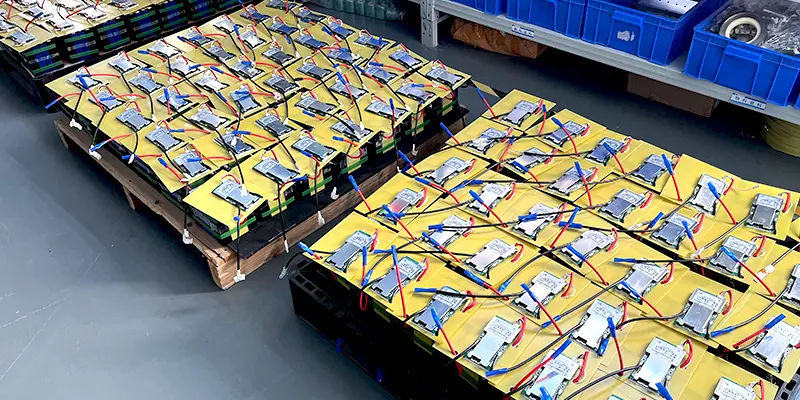
Custom battery solutions refer to batteries that are designed and manufactured to meet the specific energy requirements of a particular application or business need. Unlike off-the-shelf products, custom batteries are tailored to ensure compatibility, optimal performance, and efficiency, making them ideal for industries with specialized energy demands.
While standard batteries might work for general applications, they often lack the flexibility and performance needed for complex, high-demand tasks. Custom solutions, on the other hand, are designed with the exact specifications required, ensuring better integration into your business processes.
Key Benefits of Custom Battery Solutions for Your Business
-
Tailored to Specific Energy Needs
Every industry has its unique energy demands. For instance, e-mobility solutions like electric vehicles and bikes require high-energy output and long-lasting performance, while solar energy systems need batteries that can efficiently store power and deliver consistent output. Custom batteries are designed to meet these specific energy needs, ensuring higher efficiency and performance than generic solutions.
For bulk buyers in industries such as robotics, automation, and renewable energy, custom battery solutions offer a more targeted and effective energy source. By providing the exact specifications needed, custom batteries minimize energy waste and maximize performance.
-
Increased Efficiency and Performance
Custom batteries are designed to optimize energy output, providing better overall efficiency and performance. In industries with high energy demands, such as e-mobility and solar storage, performance matters most. Custom solutions can be optimized to reduce energy loss, manage charging cycles effectively, and improve overall battery life.
This leads to improved operational uptime and productivity for your equipment, ensuring that your business runs smoothly without frequent downtimes due to battery failures or inefficiencies.
-
Cost-Effectiveness in the Long Run
While the initial cost of custom battery solutions may be higher than off-the-shelf products, they offer significant cost savings over the long term. Custom-designed batteries are more efficient, last longer, and require fewer replacements, ultimately reducing overall maintenance and operational costs.
The higher upfront investment pays off in extended battery life, fewer replacements, and lower long-term operational expenses—especially when you factor in the performance improvements and energy savings.
-
Enhanced Reliability and Safety
Reliability and safety are paramount when it comes to industrial applications. Custom battery solutions are designed to meet specific operational and environmental conditions. For example, medical devices demand high safety standards, as battery malfunctions could lead to equipment failure or jeopardize patient safety. Similarly, batteries used in harsh environments like solar energy systems or outdoor robotics must be able to withstand extreme weather and temperature fluctuations.
With custom batteries, you can ensure that your energy solutions are highly reliable and meet the safety standards of your industry. This reduces the risk of failures, injuries, or downtime, and provides peace of mind knowing your equipment is powered by the best-suited battery.
-
Flexibility and Scalability for Growing Businesses
As businesses scale and evolve, so do their energy needs. Custom battery solutions offer unmatched flexibility to adapt to changing demands. Whether you need to increase energy storage, improve battery capacity, or scale your energy solutions to match growth, custom batteries can be adjusted to meet new specifications.
For bulk buyers looking for long-term solutions, the ability to scale and modify the battery system ensures that you can meet future energy needs without having to overhaul your entire infrastructure.
Custom Battery Solutions for Specific Industries
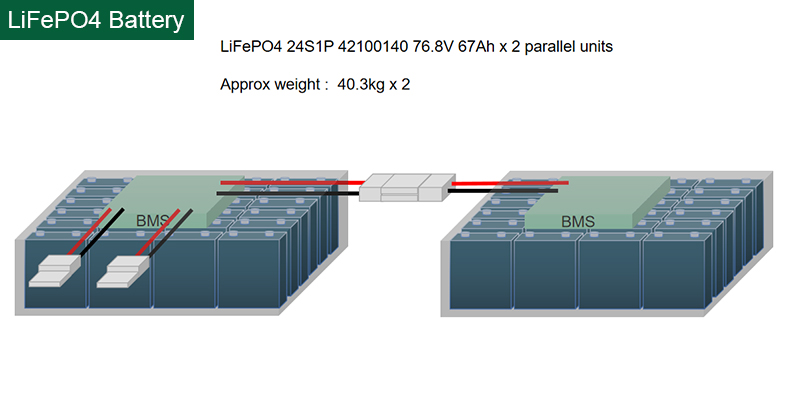
E-Mobility In the electric vehicle and e-bike industries, custom LiFePO4 or lithium-ion batteries provide the ideal balance of energy density, safety, and cycle life. Custom batteries can be designed to fit the exact form factor and energy needs of your vehicle, improving range and performance. With custom solutions, businesses can also optimize charging speed and extend battery life, which is crucial in the competitive e-mobility market.
Solar Energy Solar energy storage requires batteries that can store and discharge power reliably. Custom-designed LiFePO4 or lithium-ion batteries are perfect for solar applications because of their long lifespan, high efficiency, and resistance to temperature variations. By tailoring the battery solution to match the solar system’s power output and charging cycles, businesses can ensure maximum efficiency and longevity of their energy storage systems.
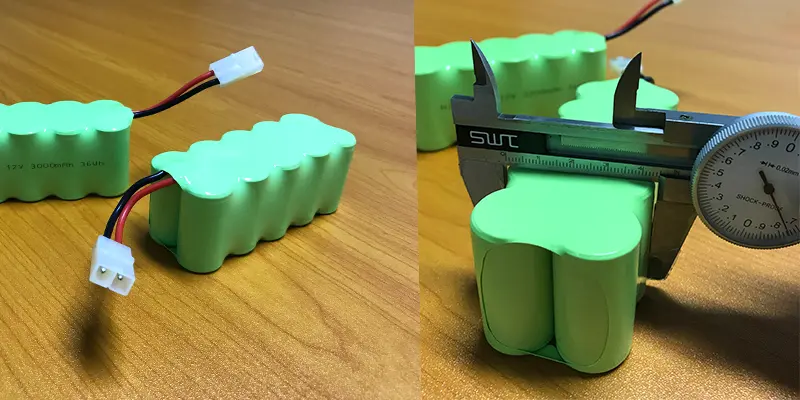
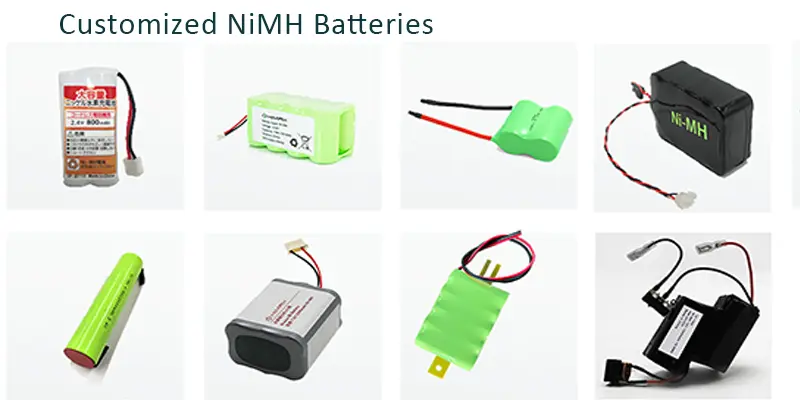
Medical Devices For the healthcare industry, battery reliability and safety are critical. Custom NiMH or lithium-ion batteries designed specifically for medical equipment like diagnostic machines, portable devices, and life-saving medical devices ensure that they meet stringent regulatory standards. These batteries offer longer life cycles, better energy output, and optimized performance under demanding conditions.
Why Choose Himax for Custom Battery Solutions?
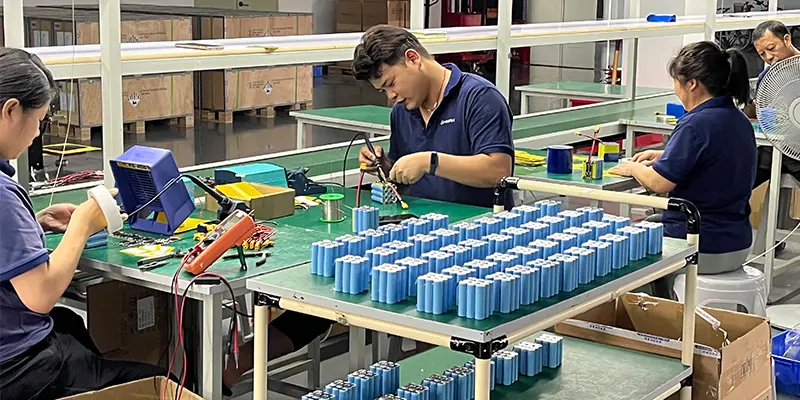
Himax brings over 18 years of expertise in designing and manufacturing custom battery solutions tailored to specific industrial needs. Here’s why bulk buyers trust us for their energy solutions:
-
Industry Expertise: With extensive experience across sectors like e-mobility, renewable energy, and medical devices, we understand the unique demands of each market.
-
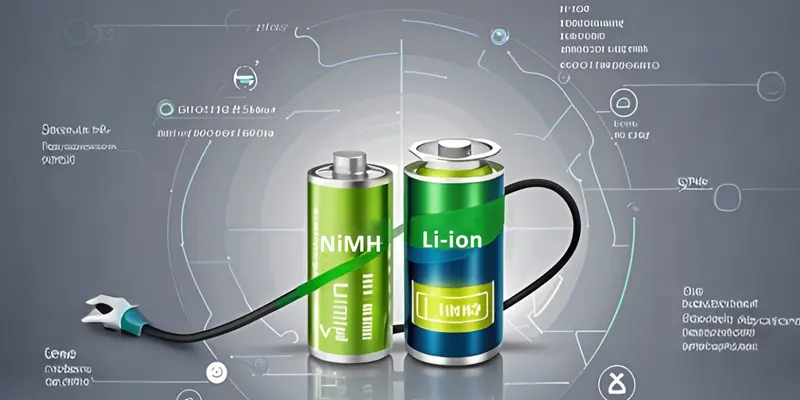
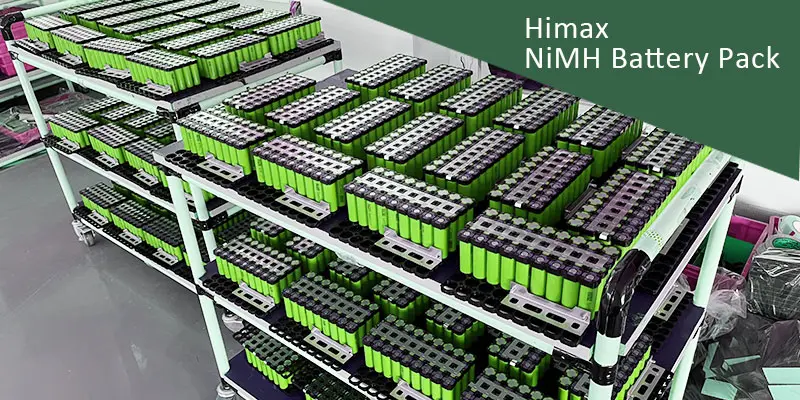
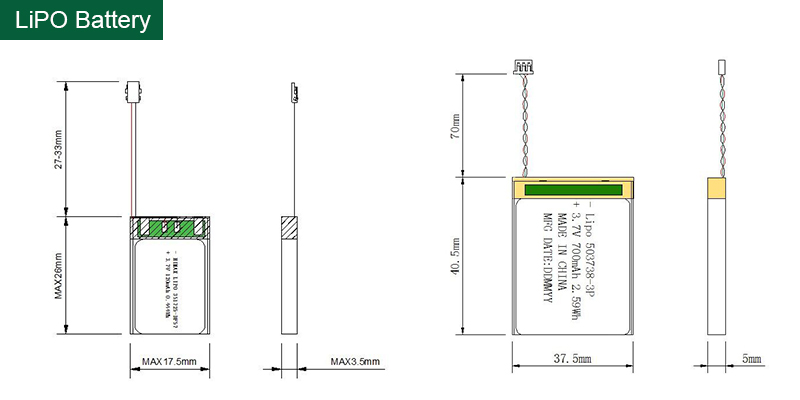
Customization Capabilities: Whether you need LiFePO4, lithium-ion, NiMH, or LI-POLYMER BATTERY, we offer tailored designs to meet your precise specifications.
-
Quality Assurance: We adhere to strict quality control processes to ensure that every battery is built to perform reliably in challenging environments.
-
Global Reach: Our reliable supply chain and global presence make us a trusted partner for businesses in the U.S., Europe, and beyond.
-
After-Sales Support: We offer comprehensive after-sales support, ensuring that your custom battery solutions continue to meet your business needs.
Conclusion
Choosing custom battery solutions can significantly enhance your business’s performance by ensuring that your energy needs are met with precision and reliability. Whether you’re in the e-mobility, solar energy, or medical device industry, custom batteries provide the flexibility, efficiency, and scalability necessary for long-term success. If you’re a bulk buyer looking for tailored energy solutions, Himax is here to help. Contact us today to discuss your custom battery requirements or request a free sample