Tag Archive for: LifePO4 Battery

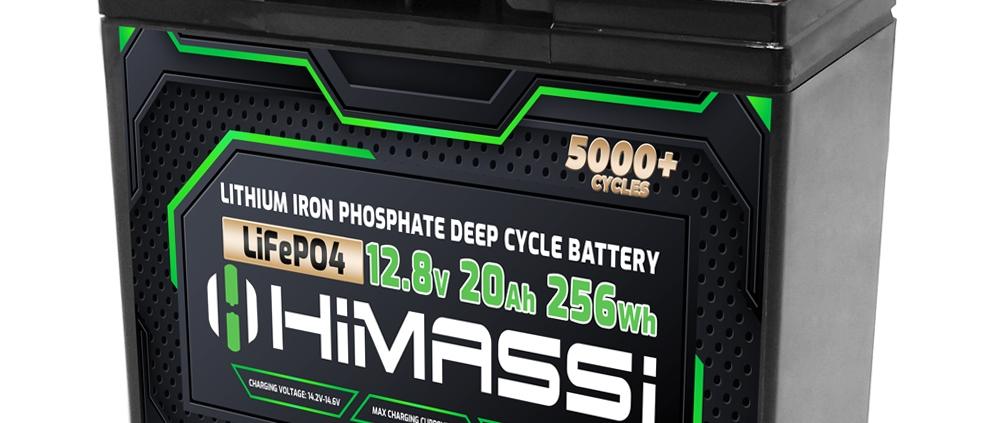
As cities around the world strive to become smarter, greener, and more sustainable, the demand for reliable, clean energy solutions continues to rise. Urban planners and local governments are increasingly turning to renewable technologies to meet environmental targets while enhancing public services. At the heart of this transformation is energy storage — and Shenzhen Himax Electronics Co., Ltd. is leading the charge with its 12.8V 20Ah Lithium Iron Phosphate (LiFePO4) battery.

This advanced battery solution is specifically engineered for solar-powered bus shelters — structures that do more than simply offer a place to wait. With the integration of Himax’s robust and high-performance LiFePO4 battery, these shelters are now capable of delivering dependable LED lighting and free USB charging for commuters, even during overcast weather or nighttime hours. By enabling consistent and efficient power from renewable sources, Himax is helping cities modernize their infrastructure in an eco-conscious and cost-effective way.

The Growing Demand for Solar-Powered Transit Shelters

In recent years, solar-powered bus shelters have emerged as a vital component of modern urban landscapes. As municipalities aim to lower carbon emissions and promote energy efficiency, these structures provide an elegant solution: they offer shelter from the elements, improve street-level aesthetics, and harness the sun’s energy to power lighting and charging stations.

However, one of the biggest challenges in implementing solar bus shelters is ensuring reliable power storage and distribution — especially during periods of low sunlight or high usage. Without an effective energy storage system, the functionality of these shelters can be compromised, leading to dark waiting areas and unavailable charging ports. That’s where Himax’s 12.8V 20Ah LiFePO4 battery comes in, designed to ensure uninterrupted power supply in varying environmental conditions.

LiFePO4_vs._lead-acid_batteries

What Makes LiFePO4 the Ideal Battery Technology?

Lithium Iron Phosphate (LiFePO4) is widely regarded as one of the safest and most efficient lithium battery chemistries available today, making it especially suitable for public infrastructure applications. Compared to conventional lead-acid batteries or other lithium chemistries, LiFePO4 offers a superior balance of performance, safety, and longevity.

Himax’s 12.8V 20Ah battery exemplifies these benefits:

Extended Lifespan: With more than 2000–5000 charge and discharge cycles, the battery provides many years of reliable operation, dramatically outlasting traditional lead-acid batteries which often require replacement every 1–2 years.

High Energy Efficiency: The battery boasts a discharge efficiency exceeding 95%, ensuring minimal energy is wasted and maximum solar energy is converted into usable power.

Unmatched Safety: LiFePO4 chemistry is thermally and chemically stable, making it resistant to overheating, combustion, or explosion — a crucial feature for equipment installed in public spaces.

Compact and Lightweight: Up to 50% lighter than comparable lead-acid batteries, Himax’s battery reduces the complexity and labor costs of installation, while also freeing up valuable space inside enclosures.


Engineered for Smart, Self-Sufficient Bus Shelters

Himax’s 12.8V 20Ah LiFePO4 battery has been purpose-built to meet the demanding energy requirements of solar-powered bus shelters. With a practical balance between voltage, capacity, and size, the battery enables continuous power supply for a range of essential services.

Reliable Lighting: It can power 10W to 15W LED lighting systems for over 12 hours, ensuring that shelters remain well-lit from dusk until dawn, enhancing both visibility and public safety.

Convenient USB Charging: The battery supports multiple USB charging ports, allowing commuters to charge smartphones, tablets, and other devices while waiting — an increasingly expected amenity in modern urban environments.

Rapid Solar Recharge: Fully compatible with 100W to 200W solar panels, the battery charges quickly, even under partially cloudy conditions, ensuring readiness for consistent daily operation.

All-Weather Durability: Operating effectively in temperatures ranging from -20°C to 60°C, the battery is suitable for installation in diverse geographic regions, from frigid winters to scorching summers.


Benefits for Cities, Operators, and Commuters

The adoption of Himax’s LiFePO4 battery brings multiple tangible benefits to cities and transit operators — and an improved experience for daily commuters.

Reduced Energy Costs: By harnessing solar energy and minimizing grid dependency, municipalities can significantly cut electricity expenses over time.

Lower Maintenance and Replacement: The long cycle life and stable chemistry reduce the need for frequent battery replacements and maintenance work, resulting in lower operational costs and less downtime.

Enhanced Safety: Well-lit bus stops deter crime and make commuters feel safer, especially during early morning or late evening hours.

Improved Commuter Convenience: Free charging capabilities are not only a modern necessity but also help promote public transportation by adding value to the rider experience.

Environmental Impact: Switching to solar-powered infrastructure supports broader climate goals and demonstrates a commitment to sustainability and innovation.

Himax: Delivering More Than Just Batteries

What sets Himax apart is not just the quality of its products but its holistic approach to energy storage solutions. In addition to supplying high-performance LiFePO4 batteries, the company offers complete systems and services tailored for solar infrastructure.

Custom Battery Management Systems (BMS): Himax equips its batteries with intelligent BMS that monitor and protect against overcharging, over-discharging, short circuits, and temperature extremes — ensuring the longest possible lifespan and safest operation.

Remote Monitoring: Optional remote monitoring capabilities allow for real-time diagnostics and performance tracking, enabling proactive maintenance and reducing the risk of unexpected failures.

Flexible, Scalable Solutions: Himax’s systems are highly adaptable, supporting both small installations for neighborhood bus stops and larger deployments in high-traffic transit hubs.
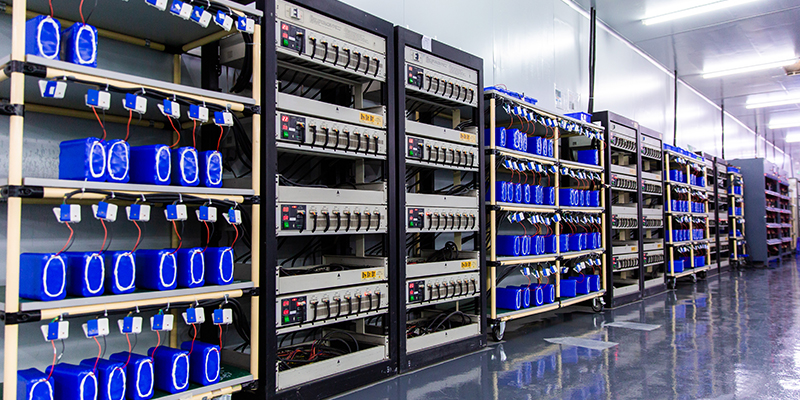
10C_discharge_battery

Conclusion

As cities embrace the vision of cleaner, smarter, and more connected infrastructure, solar-powered bus shelters stand out as a practical and visible symbol of progress. Himax’s 12.8V 20Ah LiFePO4 battery plays a pivotal role in this evolution, enabling dependable lighting and mobile charging powered entirely by the sun.

With its superior safety, efficiency, and long lifespan, the battery delivers unmatched value for public infrastructure projects. But more than that, it contributes to a better urban experience — safer streets, more connected commuters, and greener cities.

By combining cutting-edge battery technology with full-system support, Himax is helping urban centers across the globe take a confident step into a more sustainable future — one bus stop at a time.

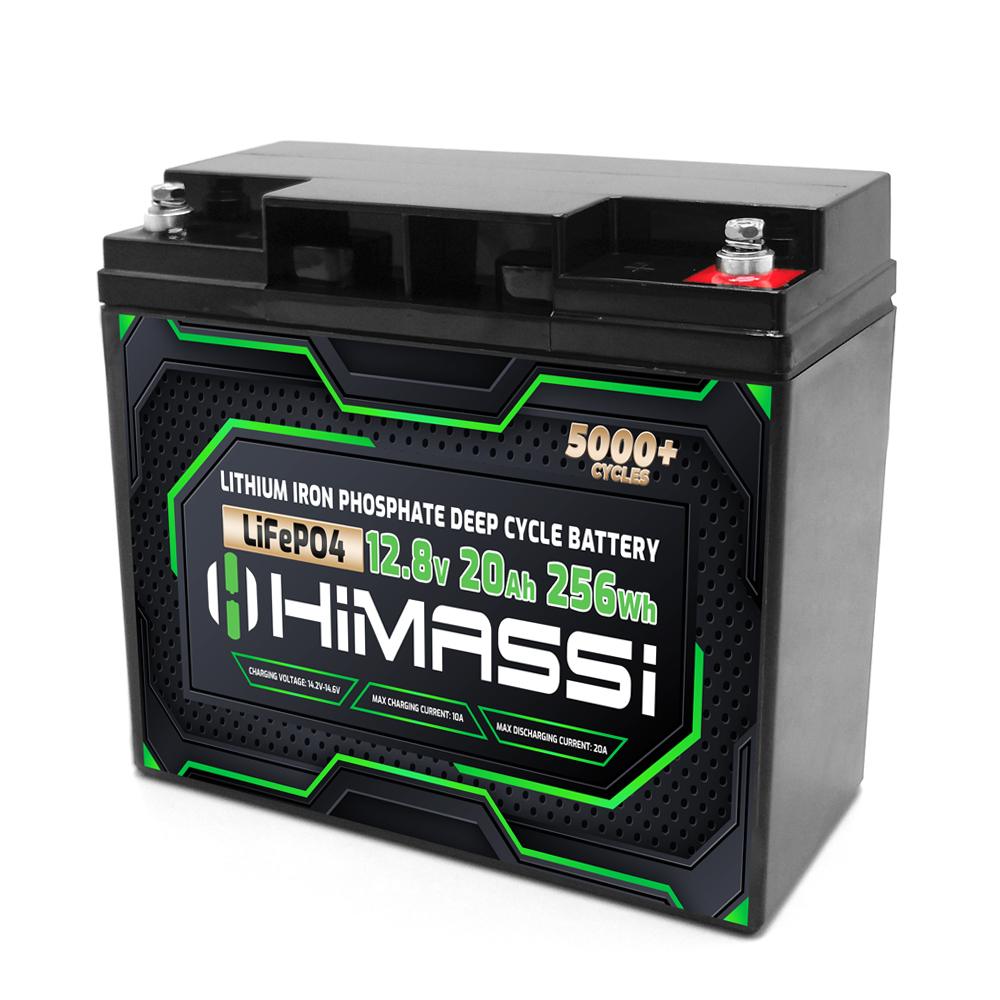
 

In the growing landscape of smart cities and sustainable transportation, Shenzhen Himax Electronics Co., Ltd. is playing a vital role by delivering cutting-edge lithium battery solutions. One of its latest highlights is the deployment of 12V 20Ah LiFePO4 (Lithium Iron Phosphate) batteries in solar-powered digital display systems at bus stations. These compact yet powerful batteries are proving to be a reliable energy source for transit signage, particularly in off-grid or semi-grid environments.

As public infrastructure embraces renewable energy and digital transformation, the intersection of solar technology and energy storage becomes critical. Display panels at bus stops provide real-time schedule updates, maps, lighting, and security alerts. When powered by solar energy, they require a battery system that is safe, durable, low-maintenance, and able to operate under fluctuating environmental conditions. Himax’s 12V 20Ah LiFePO4 battery is designed to meet these exact needs.

The Challenge of Powering Off-Grid Transit Displays

Solar-powered bus stop displays are an innovative solution in cities aiming to reduce their carbon footprint while improving public service accessibility. These display systems often operate in locations where grid access is limited, unreliable, or cost-prohibitive. This creates a demand for a sustainable, autonomous power system capable of delivering stable voltage for extended periods.

Traditional lead-acid batteries used in some installations face challenges like short cycle life, frequent maintenance, and poor performance in extreme weather. Similarly, other lithium chemistries may offer high energy density but are less stable in high-temperature or high-discharge environments.

This is where LiFePO4 chemistry excels. Known for its thermal and chemical stability, high safety profile, and long lifecycle, LiFePO4 is now widely accepted as the preferred battery technology for solar and storage applications.

Himax’s 12V 20Ah LiFePO4 Battery: Designed for Public Infrastructure

Shenzhen Himax Electronics Co., Ltd. has designed its 12V 20Ah LiFePO4 battery pack specifically with solar-powered equipment in mind. Here are the main features that make it ideal for bus stop digital signage:

1. High Safety and Stability

LiFePO4 batteries are inherently more stable than other lithium chemistries, reducing the risk of thermal runaway, combustion, or explosion. This is especially crucial in unattended public spaces where battery systems must function safely for years.

2. Long Cycle Life

The Himax 12V 20Ah battery can achieve over 2000–3000 charge/discharge cycles under standard conditions. For a solar-powered display that charges during the day and discharges at night, this equates to 5–8 years of reliable use.

3. Wide Operating Temperature

With an operating range of –20°C to 60°C, the battery can perform efficiently in various climate conditions, from hot urban centers to colder rural zones. This versatility is essential for deployments across geographically diverse bus networks.

4. Built-In Battery Management System (BMS)

Each Himax battery pack integrates an intelligent BMS that ensures protection against over-voltage, under-voltage, over-current, and short-circuits. It also balances cells to extend battery life and ensures the system runs reliably without manual intervention.

5. Compact and Lightweight

At just a fraction of the size and weight of traditional sealed lead-acid batteries, the 12V 20Ah LiFePO4 battery can be easily installed in tight enclosures beneath the display units or within the solar cabinet.

6. Eco-Friendly and Low Maintenance

With no memory effect and very low self-discharge (less than 3% per month), the battery remains operational even after long idle periods. It is also free from heavy metals and toxic chemicals, aligning with environmental sustainability goals.

boat-battery-size

Real-World Applications: Bus Stations Go Solar

In recent pilot projects across several smart city zones, Himax’s 12V 20Ah LiFePO4 batteries have been installed in solar-powered bus stops equipped with digital displays. These systems include LED schedules, ambient lighting, emergency buttons, and even CCTV functionality, all powered through solar panels and backed up by the Himax battery pack.

Operators report high reliability and zero maintenance complaints after over a year of use. The battery’s consistent performance—even during cloudy days or low sunlight periods—ensures uninterrupted service to passengers.

One local city official noted:
“We wanted an energy solution that wouldn’t require daily monitoring or replacements every year. Himax’s battery packs delivered exactly that—quiet reliability and performance without the headache.”

Supporting Broader Urban Sustainability

The deployment of LiFePO4 batteries in solar bus stops not only benefits public transportation but also supports larger sustainability goals. By removing dependency on the grid and diesel generators, city planners reduce emissions, lower operating costs, and create scalable solutions that can be implemented in both developed and underdeveloped areas.

Moreover, LiFePO4 batteries open the door for more features to be integrated into public infrastructure. With reliable energy storage, systems can run Wi-Fi routers, mobile charging stations, or real-time vehicle tracking displays, enhancing the commuter experience.

Himax: A Trusted Partner in Energy Storage

Shenzhen Himax Electronics Co., Ltd. is a leading provider of lithium battery pack solutions, specializing in custom LiFePO4 and NiMH battery assemblies. With over a decade of experience, automated and semi-automated production lines, and a weekly capacity of over 3 million cells, Himax supplies safe and reliable power to industries including solar, medical, industrial tools, and smart transportation.

For applications like bus stop solar systems, Himax offers a proven battery solution that balances safety, lifespan, and performance. Customers can also benefit from Himax’s engineering support and customization services to tailor the battery pack to their specific voltage, current, and enclosure needs.

The Future of Smart Transit Starts with Smart Power

As cities around the world seek energy-efficient and intelligent public infrastructure, the humble bus stop is becoming a symbol of what’s possible. Solar-powered display systems, backed by durable and high-performance LiFePO4 batteries, are paving the way forward. And companies like Shenzhen Himax Electronics Co., Ltd. are right at the heart of this transformation—powering the journey, one battery at a time.

Interested in integrating LiFePO4 batteries into your smart infrastructure project? Contact Shenzhen Himax Electronics Co., Ltd. today at https://www.himaxelectronics.com.


LiFePO4_vs._lead-acid_batteries

LiFePO4 batteries are renowned for their long cycle life, thermal stability, and overall reliability. That’s why they’re the battery of choice in solar energy systems, RVs, marine equipment, and industrial power storage. However, like all lithium batteries, proper storage practices are crucial—especially when storing for extended periods.

Among the most frequently asked questions we receive at HIMAX Electronics is:
“What is the best State of Charge (SOC) for storing Lithium Iron Phosphate (LiFePO4 )batteries long term without damaging their capacity?”

This article provides the clear answer and explains how to optimize battery longevity through proper SOC and storage techniques.

Why SOC Matters During Storage

Even when disconnected from a system, LiFePO4 batteries continue to undergo slow electrochemical reactions. Improper State of Charge (either too high or too low) can accelerate aging, reduce usable capacity, and in some cases, cause irreversible damage.

Key risks include:

  • Over-discharge:Leads to internal degradation and reduced voltage recovery.
  • Overcharge during storage:Increases stress on the cathode material and may accelerate capacity fade.

12.8v lifepo4 battery

Best SOC for Long-Term Storage of LiFePO4 Batteries

✅ Ideal Storage SOC: 40% to 60%

Storing your LiFePO4 battery at 40% to 60% State of Charge provides the safest balance between chemical stability and operational readiness. This range minimizes cell stress, reduces internal pressure, and extends calendar life.

At HIMAX Electronics, we recommend pre-charging all LiFePO4 battery packs to around 50% SOC before putting them into storage for more than 30 days.

Why Not 100% or 0% SOC?

? Avoid 100% SOC:

  • Storing batteries fully charged increases internal voltage stress.
  • Long-term exposure to high voltage can shorten lifespan and increase resistance.

? Avoid 0% SOC:

  • Risk of over-discharge or voltage drop below recovery threshold (usually ~2.5V/cell).
  • Self-discharge over time could render the battery unusable.

HIMAX Electronics Best Practices for Long-Term Storage

As a trusted LiFePO4 battery manufacturer, HIMAX Electronics follows these best practices to protect and preserve battery life during seasonal or shipment-related storage:

✔ 1. Pre-Storage Charge to 50%

All HIMAX packs are delivered with ~50% SOC unless otherwise requested, ready for safe storage upon arrival.

✔ 2. Smart BMS with Low Power Mode

Our advanced BMS designs minimize parasitic drain, preserving SOC stability during idle periods.

✔ 3. Label with Storage SOC & Date

Clear labeling ensures our customers know the last charge level and when a top-up may be needed.

✔ 4. Encourage 3–6 Month Checks

We recommend checking voltage every 3–6 months and topping up SOC if it drops below 30%.

Summary: Optimal Storage Conditions for LiFePO4 Batteries

Parameter Recommended Value
State of Charge (SOC) 40% to 60%
Storage Duration Up to 12 months (with periodic checks)
Ideal Temperature 10°C to 25°C (50°F to 77°F)
Recharge Threshold Recharge if voltage < 3.2V per cell

Final Thoughts

Taking proper care of your LiFePO4 batteries during storage is simple—but crucial. By maintaining an optimal State of Charge between 40% and 60%, you can preserve capacity, ensure safety, and maximize the usable life of your battery investment.

At HIMAX Electronics, we design our LiFePO4 packs for both high performance and long-term resilience. Whether you need energy storage for solar, telecom, marine, or industrial backup, our battery experts are here to help you choose the right solution—and store it the right way.

Contact HIMAX Electronics today for high-quality LiFePO4 battery packs with built-in protection and long-life assurance.

Lithium Iron Phosphate (LiFePO4) batteries are well known for their exceptional cycle life, safety, and stability. That’s why they’re widely used in solar storage, RVs, telecom systems, and industrial backup applications. But when it comes to long-term storage—such as during off-seasons or extended downtime—many users overlook the importance of proper storage temperature, which can significantly impact battery health and capacity retention.

At HIMAX Electronics, we design and manufacture reliable LiFePO4 battery packs for demanding applications. In this article, we explain the best practices for storing LiFePO4 batteries long-term, with a focus on optimal temperature conditions to avoid capacity loss and damage.

Why Storage Temperature Matters

Even when not in use, lithium batteries undergo slow chemical reactions and self-discharge. Extreme temperatures—either too hot or too cold—can accelerate cell degradation, shorten lifespan, and reduce available capacity once reactivated.


Proper storage conditions are essential to:

  • Prevent permanent loss of capacity
  • Avoid swelling or internal damage
  • Maintain safety and performance when reinstalled

Optimal Storage Temperature for LiFePO4 Batteries

According to industry standards and HIMAX Electronics testing data, the best storage temperature range for LiFePO4 batteries is :

Recommended Long-Term Storage Temperature:

10°C to 25°C (50°F to 77°F)

This range minimizes the rate of chemical aging and maintains the integrity of cell materials over months or even years.

Acceptable Short-Term Storage Range:

? -10°C to 35°C (14°F to 95°F)
This range is safe for temporary storage (under 3 months), but long-term exposure should be avoided.

best_deep_cycle_batteries_for_rvs

Additional Storage Best Practices from HIMAX Electronics

1. Store at Partial State of Charge

For long-term storage (3 months or more), we recommend charging the battery to 40–60% before storage—not 100%.

This helps prevent over-voltage stress and leaves enough buffer for self-discharge.

2. Avoid Moisture and Humidity

Store batteries in a dry, ventilated space to prevent oxidation and internal corrosion. HIMAX batteries come with protective casings, but environmental moisture still poses a risk over time.

3. Check Every 3–6 Months

For extended storage periods, we advise checking voltage and state of charge at least twice a year. Recharge if the voltage drops below 3.2V per cell, or ~12.8V for a 4S pack.

4. No Metal Contact or Stack Pressure

Make sure terminals are insulated, and no heavy objects are stacked on the pack. Physical stress during storage can deform the casing or internal structure.

HIMAX Electronics Quality Commitment

At HIMAX Electronics, we build LiFePO4 battery packs using A-grade cells and advanced Battery Management Systems (BMS) to protect against overcharge, overdischarge, and thermal abuse. For our customers storing batteries in off-grid or backup scenarios, we also provide:

  • Custom storage enclosures with thermal insulation
  • Smart BMS with low-power sleep mode
  • Documentation for safe transportation and storage

Summary: Best Storage Practices for LiFePO4 Batteries

Parameter Recommended Value
Storage Temperature 10°C to 25°C (ideal), -10°C to 35°C (short-term)
State of Charge (SOC) 40% to 60% before storage
Humidity < 65% RH, dry and ventilated area
Storage Interval Check Every 3–6 months

rv_battery_comparison

Final Thoughts

Improper storage can shorten the lifespan of even the best battery. By following temperature and maintenance guidelines, you can ensure that your LiFePO4 batteries from HIMAX Electronics remain ready for service—whether next month or next year.

Need expert advice or custom LiFePO4 solutions? Contact HIMAX Electronics today and get support from our experienced battery engineers.

LiFePO4_vs._lead-acid_batteries

At HIMAX Electronics, we specialize in providing high-performance battery solutions for a variety of applications, from robotics to electric vehicles and solar storage systems. A common question we encounter is whether LiFePO4 (Lithium Iron Phosphate) batteries are compatible with Lead Acid batteries. In this article, we’ll explain why these two types of batteries, despite being chemically different, can be compatible in certain applications—and how you can integrate them into your power systems for optimal performance.

Understanding LiFePO4 and Lead Acid Batteries

Before discussing their compatibility, it’s important to understand the basic characteristics of both LiFePO4 and Lead Acid batteries:

  1. LiFePO4 Batteries:

LiFePO4 is a type of lithium-ion battery, known for its safety, long cycle life, and thermal stability.

These batteries typically have a nominal voltage of 3.2V per cell, and when configured in packs, can provide a variety of voltages (12.8V, 25.6V, 51.2V, etc.).

LiFePO4 batteries are commonly used in applications that require high energy density, such as electric vehicles, robotics, and solar energy storage systems.

boat-battery-size

  1. Lead Acid Batteries:

Lead Acid batteries have been the go-to choice for many applications, especially in automotive and backup power systems.

They operate at a nominal voltage of 2V per cell and are typically arranged in 12V, 24V, or 48V systems.

These batteries are inexpensive, widely available, and reliable, but they have a shorter lifespan and lower energy density than lithium-based batteries.


Why LiFePO4 Batteries and Lead Acid Batteries Can Be Compatible

Although LiFePO4 and Lead Acid batteries are chemically and technologically different, there are several reasons why they can be compatible in certain applications. Here are the key factors:

  1. Voltage Similarity in Series Configurations:

One of the reasons these batteries can work together is that when arranged in series (i.e., connecting multiple cells to form a battery pack), both LiFePO4 batteries and Lead Acid batteries can achieve similar nominal voltages.

For instance, a typical 12V Lead Acid battery pack (comprising 6 cells) can be matched with a 12.8V LiFePO4 pack (comprising 4 cells). This voltage overlap makes it possible to integrate them in parallel or in hybrid systems, as long as the charge/discharge characteristics are carefully managed.

  1. Energy Storage and Hybrid Systems:

In off-grid energy storage systems or hybrid battery systems, you can integrate both LiFePO4 and Lead Acid batteries to take advantage of their respective strengths.

LiFePO4 batteries provide higher efficiency, longer cycle life, and faster charging times, making them ideal for high-power applications.

Lead Acid batteries are often used in systems where cost is a priority or where the system does not require the long cycle life and energy density of lithium-based batteries.

HIMAX Electronics offers systems where both types of batteries can be used together, each optimizing the performance of the other, such as in solar energy storage or backup power systems.

  1. Chargers and Battery Management Systems (BMS):

With the proper Battery Management System (BMS) and chargers, LiFePO4 batteries and Lead Acid batteries can be charged and monitored independently, allowing them to function together in a single system.

HIMAX Electronics provides smart chargers and BMS solutions tailored for both LiFePO4 and Lead Acid batteries. These systems ensure that each type of battery is charged according to its specific requirements, maintaining system stability and battery health.

Shared Applications for Hybrid Power Solutions:

In hybrid systems, LiFePO4 and Lead Acid batteries are often used to optimize both cost-effectiveness and performance. For example, LiFePO4 batteries could be used to handle short-term, high power demands (such as starting motors or peak load scenarios), while Lead Acid batteries can handle long-duration storage and backup power at a lower cost.

In solar energy storage, HIMAX Electronics offers solutions where both types of batteries can complement each other, maximizing both efficiency and cost savings in off-grid or grid-tied applications.

commercial-48v-lifepo4-battery

Best Practices for Using LiFePO4 and Lead Acid Batteries Together

While LiFePO4 and Lead Acid batteries can work together in certain systems, there are some best practices to follow to ensure compatibility and prevent issues:

  1. Use Separate Charge Controllers:

It’s crucial to use different charge controllers and BMS for each battery type. LiFePO4 and Lead Acid batteries have distinct charging profiles, and using a combined charge controller designed for both battery types is essential to avoid damage or inefficient charging.

  1. Voltage Matching:

Ensure that the voltages of your LiFePO4 and Lead Acid battery packs are similar, especially when they are connected in parallel. Using batteries with different voltages in parallel could lead to charging imbalances and potential damage.

  1. Monitor Battery Health:

Always monitor the health and performance of both types of batteries in a hybrid system. LiFePO4 batteries will typically have a longer lifespan than Lead Acid batteries, so it’s important to monitor both to ensure that the system continues to function optimally.

  1. Consult with Experts:

If you’re planning to integrate LiFePO4 and Lead Acid batteries into a hybrid system, it’s best to consult with battery experts. At HIMAX Electronics, we offer consulting and design services to help you develop the best energy storage system for your needs.

Conclusion: Compatibility for Hybrid Battery Systems

In conclusion, LiFePO4 batteries and Lead Acid batteries can be compatible in certain applications, particularly in hybrid systems that leverage the strengths of each type. By using the appropriate chargers, BMS, and monitoring systems, both types of batteries can work together effectively, providing a balance of cost, performance, and longevity.

At HIMAX Electronics, we specialize in providing high-quality LiFePO4 batteries, Lead Acid batteries, and hybrid energy storage solutions that can be tailored to meet your unique power needs. Whether you’re working on a solar energy system, electric vehicle, or robotics, we can help you design a solution that integrates both battery technologies for optimal performance.

Visit HIMAX Electronics today to explore our full range of products and services!


boat-battery-size

Why Choosing the Right Battery Matters for Outdoor Trail Cameras

Outdoor hunting and trail cameras are essential tools for wildlife observation, hunting, and property surveillance. These cameras often operate in harsh environments—exposed to rain, snow, high humidity, and extreme temperatures. A reliable power source is critical for ensuring consistent operation, especially in remote areas where changing battery frequently is not an option.

As a battery manufacturer with 12 years of experience, we at HIMAX ELECTRONICS have developed a series of high-performance rechargeable batteries specifically designed to meet the rigorous demands of outdoor trail cameras.

Our Battery Solutions for Trail Cameras

HIMAX provide a range of Li-ion and LiFePO4 battery packs that offer high capacity, long life, excellent safety, and weather resistance—making them ideal for hunting cameras, game cameras, and remote monitoring systems.

Battery Type Voltage Capacity Features
Li-Ion Battery Pack 11.1V 10Ah High energy density, long runtime
Li-Ion Battery Pack 14.8V 10Ah Powerful output, suitable for high-drain devices
LiFePO4 Battery Pack 12.8V 8Ah Lightweight, stable, long cycle life
LiFePO4 Battery Pack 12.8V 10Ah Safer chemistry, consistent performance
LiFePO4 Battery Pack 12.8V 20Ah Heavy-duty, extended runtime for long deployments

All battery packs are available with durable ABS housings for added protection in outdoor environments.

14.8V 10Ah Custom Lithium Battery Pack

Key Advantages of Our Batteries for Outdoor Use

1. Long-Lasting Power Supply

Our high-capacity batteries provide extended operational time, reducing the need for frequent recharging or replacements. This is critical for hunting cameras deployed in remote areas for weeks or months.

2. Rugged and Waterproof Design

The batteries come in ABS plastic enclosures, offering excellent protection against water, dust, and mechanical impact. They are tested to withstand outdoor environments, ensuring they remain functional in various weather conditions.

3. Proven Performance and Reliability

We have been supplying these batteries to customers in the United States for years, including as a reliable alternative to local brands such as Amped Outdoors. Many of our clients have confirmed that our batteries offer the same or better performance at a more competitive factory price.

4. Safe and Stable Chemistry

Our LiFePO4 batteries are known for their thermal stability, non-flammability, and longer life cycle compared to traditional lithium-ion chemistries. They are ideal for outdoor electronics that demand reliability.

5. Factory Direct Supply – Better Value

As a direct batteries manufacturer, we offer our customers factory prices without the middleman. This ensures better cost efficiency for businesses that deploy large quantities of trail cameras or resell hunting accessories.

Ideal Battery Applications

Our battery packs are suitable for a wide range of outdoor and off-grid applications, including:

  • Hunting and wildlife trail cameras
  • Outdoor surveillance systems
  • Environmental monitoring sensors
  • Solar-powered devices
  • Remote IoT applications

Why Work With Us?

12 Years of Manufacturing Experience in rechargeable batteries

Full range of certified products (CE, UN38.3, MSDS, etc.)

Professional production facilities with automated welding, aging test equipment

Customized battery pack service available

Proven track record in North America and Europe

Testimonials from the U.S. Market

“We’ve used HIMAX’s 12.8V LiFePO4 batteries for over 2 years now. The quality is excellent—long runtime, durable, and cost-effective compared to brands like Amped Outdoors. Highly recommended!” — A U.S. Trail Camera Retailer

Contact Us for Battery Samples or Custom Orders

If you are an outdoor gear distributor, OEM/ODM partner, or retail supplier, contact us for sample testing or bulk order pricing. Let us help you power your next-generation trail camera solutions with reliable, safe, and affordable energy.


best-48v-lifepo4-battery

Smart street lighting systems are revolutionizing urban infrastructure by improving energy efficiency, reducing maintenance costs, and enabling IoT-based monitoring. A critical component of these systems is the power supply, where 48V LiFePO4 (Lithium Iron Phosphate) batteries play a pivotal role. Shenzhen Himax Electronics Co., Ltd., a leading innovator in energy storage solutions, offers the HiMASSi 48V LiFePO4 battery, designed to deliver long lifespan, high safety, and superior performance for smart street light controllers.

Why 48V LiFePO4 Batteries Are Ideal for Smart Street Lights

1. High Energy Efficiency & Long Cycle Life

LiFePO4 batteries provide 2,000–5,000 charge cycles, far exceeding traditional lead-acid batteries (300–500 cycles). This ensures lower replacement costs and long-term reliability for street lighting systems.

2. Enhanced Safety & Thermal Stability

Unlike lithium-ion batteries, LiFePO4 chemistry is non-combustible and resistant to overheating, making it ideal for outdoor applications where temperature fluctuations occur.

3. Stable 48V Power Supply for Smart Controllers

Smart street light controllers require stable voltage input to support:

IoT sensors (motion detection, ambient light sensing)

Wireless communication modules (4G/5G, LoRa, Zigbee)

Remote monitoring & dimming control

The 48V HiMASSi LiFePO4 battery ensures consistent power delivery, preventing voltage drops that could disrupt operations.

4. Solar Compatibility for Off-Grid Lighting

Many smart street lights integrate solar panels for sustainable energy. The HiMASSi 48V battery efficiently stores solar energy, enabling 24/7 operation without grid dependency.
street-light-battery

Technical Specifications of HiMASSi 48V LiFePO4 Battery

Parameter Specification
Nominal Voltage 48V
Capacity Options 50Ah / 100Ah / 200Ah (Customizable)
Cycle Life 2,000–5,000 cycles (80% DOD)
Charge Temperature 0°C to 45°C (32°F to 113°F)
Discharge Temperature -20°C to 60°C (-4°F to 140°F)
Efficiency ≥95%
BMS Protection Overcharge, Over-discharge, Short Circuit
Weight ~30% lighter than lead-acid equivalents

Applications in Smart Street Lighting

Automatic Brightness Adjustment (via light sensors)

Motion-Activated Lighting (energy savings)

Remote Fault Detection (real-time alerts)

Peak Load Shaving (reducing grid demand)
48v_100ah_lifepo4_battery​_

Conclusion

The HiMASSi 48V LiFePO4 battery by Shenzhen Himax Electronics Co., Ltd. provides a reliable, long-lasting, and eco-friendly power solution for smart street light controllers. With high efficiency, solar compatibility, and advanced BMS protection, it is an optimal choice for modern smart city infrastructure.


Lithium iron phosphate battery charger

At HIMAX Electronics, we specialize in providing high-performance battery solutions tailored for robotics, electric vehicles, and energy storage applications. One of the common questions we receive is whether Lead Acid battery chargers can charge LiFePO4 (Lithium Iron Phosphate) batteries. In this article, we will clarify the key differences between Lead Acid and LiFePO4 batteries, and why using the wrong charger can lead to safety hazards and poor performance.

Understanding Lead Acid and LiFePO4 Batteries

Before diving into charger compatibility, it’s important to understand the fundamental differences between Lead Acid batteries and LiFePO4 batteries:

  1.Lead Acid Batteries:

Lead Acid batteries are the traditional choice for automotive, backup power, and other applications.

They operate at a nominal voltage of 2V per cell, typically in 12V, 24V, and 48V configurations.

These batteries are relatively inexpensive but have a shorter lifespan and lower energy density compared to lithium-based batteries.

  2.LiFePO4 Batteries:

LiFePO4 battery is a type of lithium-ion battery that is renowned for its safety, longer cycle life, and stability.

LiFePO4 batteries operate at a nominal voltage of 3.2V per cell, with configurations similar to other lithium batteries (e.g., 12.8V, 25.6V, 51.2V).

These batteries have a higher energy density and are ideal for applications like electric vehicles, solar energy storage, and high-performance robotics, the core focus of HIMAX Electronics.


lifepo4-battery-charger


Why Lead Acid Battery Chargers Can’t Charge LiFePO4 Batteries

While both Lead Acid and LiFePO4 are rechargeable batteries, they have different charging profiles, which makes using a Lead Acid charger for LiFePO4 battery both inefficient and unsafe. Here’s why:

  1.Voltage Differences:

Lead Acid batteries typically charge to a voltage of around 2.4-2.45V per cell, whereas LiFePO4 batteries require a higher voltage, typically around 3.6-3.65V per cell.

This voltage mismatch means that a Lead Acid charger will fail to provide the proper charging voltage required for LiFePO4 cells. As a result, your LiFePO4 battery will not be fully charged or may remain undercharged, leading to poor performance and reduced lifespan.

  2.Charging Profiles and Algorithms:

LiFePO4 battery has a very specific charging profile that includes a constant current (CC) phase followed by a constant voltage (CV) phase. Lead Acid chargers, however, are designed for the charging characteristics of lead-based batteries, which involves a different algorithm.

Lead Acid chargers are not equipped to handle the precise voltage and current control that LiFePO4 batteries require. Using a Lead Acid charger may not only fail to charge the battery but also lead to overcharging or undercharging, which can damage the battery.

  3.Battery Management System (BMS) Requirements:

LiFePO4 battery relies on a Battery Management System (BMS) to monitor the charging process, balance cells, and protect the battery from overvoltage, undervoltage, and excessive temperature.

Lead Acid chargers lack the necessary BMS support for LiFePO4 batteries, which could lead to unsafe conditions like overheating or even battery failure.

  4.Risk of Damage and Safety Hazards:

If a Lead Acid charger is used with a LiFePO4 battery, there is a risk of overcharging, which can cause the LiFePO4 battery to overheat, potentially resulting in thermal runaway or fire.

While Lead Acid batteries are more forgiving, LiFePO4 batteries require careful charging to avoid damage, and using the wrong charger compromises safety.


What to Use Instead: LiFePO4 Chargers for LiFePO4 Batteries

At HIMAX Electronics, we emphasize the importance of using the right charger for the specific battery chemistry you’re working with. Here’s why you should always choose a LiFePO4 charger for your LiFePO4 battery:

  1.Correct Voltage and Charging Profiles:

LiFePO4 chargers are specifically designed to provide the right voltage (3.65V per cell) and charging algorithm (CC-CV) required for LiFePO4 batteries, ensuring efficient and safe charging. These chargers also include features like overcharge protection, temperature monitoring, and cell balancing.

  2.Battery Management System (BMS) Support:

HIMAX Electronics provides high-quality LiFePO4 chargers that work seamlessly with the BMS of LiFePO4 batteries, protecting your battery from voltage fluctuations, short circuits, and excessive heat during the charging process.

Our chargers are designed to optimize performance and lifespan, making them ideal for high-demand applications like robotics and electric vehicles, where HIMAX Electronics’ lithium battery solutions are trusted.

  3.Maximized Battery Lifespan and Efficiency:

Charging with the appropriate charger prevents overcharging, undercharging, and excessive wear on the cells. This helps extend the life of your LiFePO4 battery and maintains its high performance, which is crucial for systems that rely on long cycle lives, such as solar energy storage and electric vehicles.

Battery charger

Conclusion: Choose the Right Charger for Your LiFePO4 Batteries

In conclusion, Lead Acid chargers are not suitable for LiFePO4 batteries due to differences in voltage, charging algorithms, and safety requirements. At HIMAX Electronics, we strongly recommend using charger specifically designed for LiFePO4 battery to ensure safe, efficient, and reliable charging.

Whether you’re working with electric vehicles, solar storage, or robotics, HIMAX Electronics offers a wide range of LiFePO4 chargers, designed to meet the unique needs of these advanced lithium-based batteries. Visit our website to explore our products and ensure your LiFePO4 battery is always charged safely and effectively.


48v lifepo4 battery with charger
In today’s renewable energy era, lithium batteries serve as the pulsing “heart” of a power for enterprise-grade equipment, delivering reliable and continuous energy. The 48V lithium battery system, in particular, is a top choice for industries like manufacturing, energy storage, and electric transportation due to its high efficiency, stability, and eco-friendly features. However, many companies find themselves “lost in the fog” when selecting a charger, especially when trying to pair a 48V lithium battery system with a 100Ah charger. A mismatch can shorten battery life, reduce charging efficiency, and even create safety risks. So, how can you configure this “energy powerhouse” to ensure it beats stronger for longer? Keep reading to find out.

Question 1: Why Does a 48V Lithium Battery Need a Precisely Matched Charger?

1. Battery and Charger Compatibility Is Key

Charging a lithium battery is like fueling a marathon runner: you can’t overdo it or skimp on the energy. A 48V lithium battery system is typically made up of multiple cells connected in series and parallel, with a nominal capacity (like 100Ah) determining its energy storage potential. The charger’s output voltage, current, and charging protocol directly impact the battery’s health. A mismatch can lead to:

  • Overcharging or undercharging: Too high a voltage can overcharge the battery, damaging its cells; too low a voltage leaves it undercharged, reducing runtime.
  • Low efficiency: If the current output doesn’t align with the battery’s needs, charging takes longer and wastes energy.
  • Safety risks: Incompatible charging protocols can cause overheating, short circuits, or even fires.

2. What Makes a 100Ah Charger Unique?

A “100Ah charger” doesn’t refer to its own capacity but to the battery capacity it’s designed to handle. Enterprise-grade 48V 100Ah lithium battery systems typically require chargers with high power output (usually 2000W or more) and support for intelligent charging modes like constant current (CC) and constant voltage (CV) to ensure smooth, efficient charging. With so many chargers on the market, how do you find the one that’s a “perfect match” for your battery system?

48-volt-100ah-lifepo4-battery

Question 2: What Are the Charging Needs for Enterprise-Grade 48V Lithium Batteries?

1. The “Golden Ratio” of Voltage and Current

A 48V lithium battery system has a nominal voltage of 48V, but its fully charged voltage is typically around 54.6V (for lithium iron phosphate batteries, for example). The charger’s output voltage must precisely match this range. For a 100Ah battery, the recommended charging current is usually between 0.2C and 0.5C, or 20A to 50A. This balances charging speed while preventing excessive current from damaging the cells.

2. The “Smart Conversation” of Charging Protocols

Modern lithium battery systems often include a Battery Management System (BMS), the “brain” of the battery, which monitors voltage, current, and temperature. The charger needs to “communicate” with the BMS using protocols like CAN or RS485 to ensure safe, controlled charging. For instance, as the battery nears full capacity, the BMS may instruct the charger to reduce current and switch to trickle charging, protecting battery lifespan.

3. The “Heavy-Duty” Need for Cooling and Protection

Enterprise applications often involve high workloads, so chargers need robust cooling systems—like air or liquid cooling—to handle prolonged high-power output. Additionally, a waterproof and dustproof rating of IP65 or higher, along with protections against overvoltage, overcurrent, and short circuits, are essential “safety guards.”

Solution: How to Pair a Charger with a 48V 100Ah Lithium Battery System

1. Choose a Charger with Matching Specs

When selecting a charger for a 48V 100Ah lithium battery system, focus on these key parameters:

  • Output voltage: Ensure the charger’s maximum output voltage is 54.6V ± 0.2V to match the battery’s fully charged voltage.
  • Charging current: Opt for a 30A to 50A charger for fast charging without harming the battery. For example, a 40A charger can fully charge a 100Ah battery in about 2.5 hours, balancing efficiency and longevity.
  • Power output: The charger should deliver at least 2000W (54.6V × 40A ≈ 2184W) to support efficient charging.

2. Prioritize Smart Chargers

A smart charger acts like a “thoughtful assistant,” dynamically adjusting its strategy based on the battery’s state. Look for chargers with these features:

  • Multi-stage charging: Includes constant current (CC), constant voltage (CV), and trickle charging to fully charge the battery without damage.
  • BMS communication: Supports CAN or RS485 protocols for seamless integration with the battery’s BMS, enabling real-time monitoring.
  • Temperature compensation: Adjusts charging parameters based on ambient temperature to prevent damage from extreme heat or cold.

3. Consider Enterprise Application Needs

Different industries have unique charger requirements. For example:

  • Industrial equipment: Forklifts or AGVs (automated guided vehicles) need durable, fast-charging chargers to minimize downtime.
  • Energy storage systems: Solar storage setups benefit from chargers designed for cyclic charging to extend battery life.
  • Electric transportation: Electric buses require high-power, portable chargers for on-the-go charging.

4. Verify Compatibility and Safety

Before purchasing a charger, consult with your battery supplier (like HIMAX) to confirm compatibility with your battery system. Also, check for certifications like CE or UL to ensure safety and reliability.

Case Study: HIMAX’s 48V 100Ah Lithium Battery System in Action

Take HIMAX’s 48V 100Ah lithium battery system as an example. It uses high-performance lithium iron phosphate cells with a cycle life of over 3000 cycles and features an advanced BMS with CAN communication support. HIMAX recommends pairing it with a smart charger delivering 54.6V output voltage and 40A current. This charger offers:

  • Fast charging: Fully charges a 100Ah battery in 2.5 hours, meeting high-frequency enterprise needs.
  • Smart management: Communicates with the BMS in real time to optimize charging and extend battery life.
  • Safety and reliability: Includes multiple protection mechanisms and an IP67 rating, ideal for tough industrial environments.

In practice, a logistics company used HIMAX’s 48V 100Ah battery system for electric forklifts. After pairing it with the recommended charger, they saw a 20% increase in runtime per charge and a 30% reduction in equipment downtime, significantly boosting operational efficiency.

Common Pitfalls and Tips

1. Pitfall 1: Chasing Ultra-Fast Charging

Excessive charging currents (above 0.5C) can shorten battery life. Balance charging speed with battery health based on your needs.

2. Pitfall 2: Ignoring Environmental Factors

High or low temperatures can affect charging efficiency. Charge within 32°F to 113°F (0°C to 45°C) and opt for a charger with temperature compensation.

3. Pitfall 3: Mixing and Matching Chargers

Non-original or incompatible chargers can cause issues. Stick with chargers designed for your battery brand or consult technical support.

Recommendation: HIMAX 48V Lithium Battery – The Ideal Enterprise Energy Solution

HIMAX’s 48V lithium battery system is tailored for enterprise applications, featuring high-quality lithium iron phosphate cells with capacities from 100Ah to 300Ah and a cycle life exceeding 3000 cycles. Its built-in smart BMS supports CAN/RS485 communication for safety and efficiency. Whether for industrial equipment, energy storage, or electric transportation, HIMAX delivers stable, eco-friendly energy solutions. Choose HIMAX to power your green future! Learn more at the HIMAX official website.

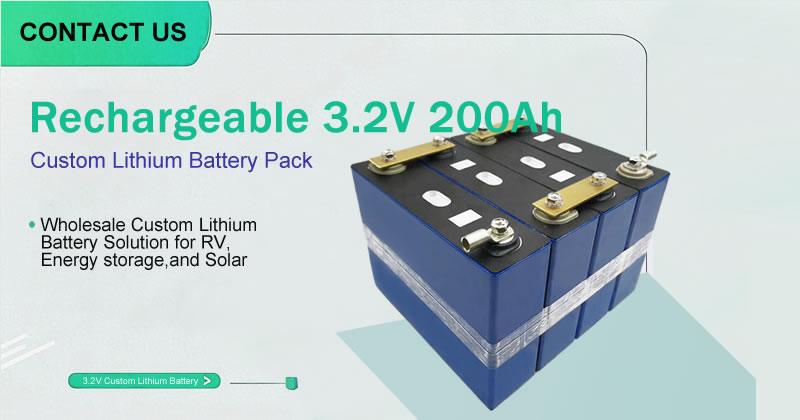
Custom Lithium Battery Pack and Rechargeable Prismatic Battery 3.2V 200Ah

12v-24ah-lifepo4-battery
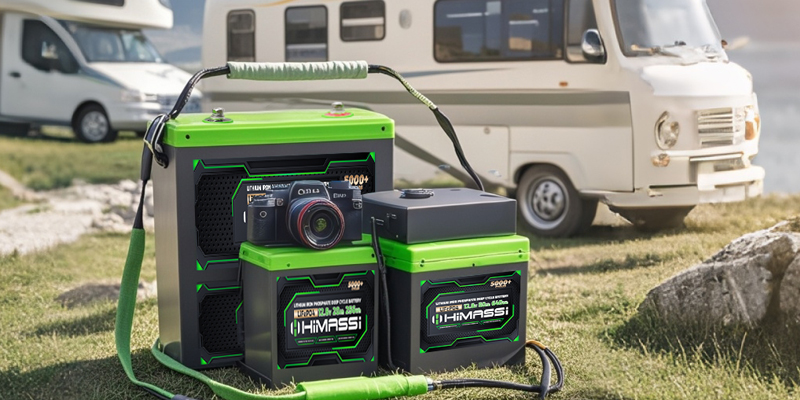
Picture this: cruising in your RV through mountains and lakes, lighting up cozy lamps under a starry sky, sipping chilled drinks from the fridge, and keeping your phone and drone fully charged. What powers this dream? A robust and reliable “heart” of electricity. RV travel is all about freedom and romance, but it demands a dependable power supply. The HIMAX 12V Lithium Iron Phosphate (LiFePO4) battery (6-30Ah) paired with a fast-charging, long-life charger is becoming the go-to choice for RV enthusiasts, delivering endless energy for every journey.

Lithium Iron Phosphate Battery: The Game-Changer for RV Power

Traditional lead-acid batteries once dominated RV power but are fading due to their bulk, short lifespan, and low efficiency. Enter the Lithium Iron Phosphate (LiFePO4) battery—a lightweight, durable, and safe alternative that’s redefining RV power. HIMAX’s LiFePO4 battery is like a trusty travel buddy, delivering steady performance in scorching deserts, bumpy mountain roads, or freezing winter nights, ensuring your journey stays on track.

What makes these batteries so special? First, their safety is top-notch. The highly stable LiFePO4 chemistry resists overheating and hazards, remaining rock-solid even in extreme conditions. Second, their lifespan is jaw-dropping—up to 2,000 to 4,000 deep cycles, far outlasting the 200-300 cycles of lead-acid batteries. This means fewer replacements, saving you money and hassle on the road. Plus, at just a third of the weight of lead-acid batteries, HIMAX’s 6Ah to 30Ah options cater to lightweight camping or power-hungry devices, maximizing your RV’s space.

HIMAX batteries also shine in energy efficiency. With nearly 100% discharge efficiency, there’s virtually no energy waste, whether you’re powering soft LED lights or keeping the fridge running. Even in sub-zero temperatures, HIMAX batteries perform reliably, making year-round travel worry-free.

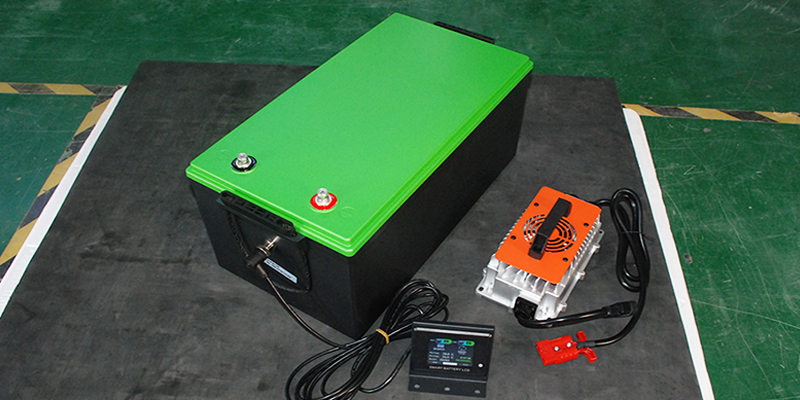
The Perfect Pair: HIMAX Battery and Charger

HIMAX knows a great battery needs an equally great charger to unlock its full potential. The HIMAX fast-charging, long-life charger is tailor-made for LiFePO4 batteries, like a dance partner in perfect sync, offering a seamless and exceptional charging experience. With smart fast-charging tech, it juices up your battery quickly, so you can hit the road without long waits.

Safety is a standout feature of the HIMAX charger. Equipped with overvoltage, overcurrent, and short-circuit protection, it works hand-in-hand with the battery’s built-in BMS (Battery Management System) for worry-free charging. Whether you’re a newbie or a seasoned RVer, it’s easy to use. The charger supports the full 6Ah to 30Ah battery range, intelligently detecting battery status and adjusting the charging curve to maximize efficiency and extend lifespan. Durable components and efficient heat dissipation make the charger as long-lasting as the battery, a faithful companion for your travels.

small-capacity-lifepo4-battery

Powering Every RV Adventure

From weekend camping to cross-country road trips, family vacations to outdoor work, the HIMAX battery and charger combo brings your RV lifestyle to life. Imagine a lightweight camping trip where a 6Ah or 12Ah battery powers your phone, tablet, or drone, with the fast charger quickly recharging so you can soak in nature’s beauty. For long-haul family trips, the 30Ah battery acts like a tireless butler, running the fridge, TV, and lights to keep your journey cozy and home-like.

For those using power tools or professional gear in the wild, the HIMAX combo delivers. Stable power output ensures tools run smoothly, boosting your productivity. In emergencies like power outages, the HIMAX battery doubles as a backup power source for critical devices, keeping you calm and prepared in any situation.

How to Choose the Right HIMAX Power Solution

Picking an RV power system is like choosing a reliable travel companion—it requires balancing needs, environment, and budget. Start by assessing your power needs. List the devices you’ll use and calculate their total power consumption and runtime. For example, an LED light might use just 10Wh daily, while a small fridge could gulp 300Wh. HIMAX’s 6Ah to 30Ah batteries cover a range of scenarios, but it’s wise to choose a capacity slightly above your needs for extra peace of mind.

Next, consider your charging setup. If you’re at a campsite or have solar panels, the HIMAX fast charger minimizes downtime. For off-grid campers, HIMAX offers compatible solar charging options to keep you powered up far from the grid. While LiFePO4 batteries cost more upfront than lead-acid, their long lifespan and efficiency make them a smarter long-term investment. HIMAX offers various price points, so whether you’re a performance-driven enthusiast or a budget-conscious beginner, there’s a solution for you.

Why Choose HIMAX?

HIMAX isn’t just a lithium battery brand—it’s a travel partner that gets you. We focus on delivering safe, reliable, and efficient power solutions tailored to your needs. Every HIMAX battery undergoes rigorous testing and comes with a two-year warranty for worry-free ownership. Our 24/7 customer support team is ready to help with any purchase or usage questions, and our efficient logistics ensure fast delivery.

What sets HIMAX apart is our 12V LiFePO4 battery and fast charger combo, designed for the diverse demands of RV life. Compact battery designs save precious RV space, smart BMS systems protect every charge and discharge, and durable chargers stand by you through countless trips. Whether you’re a stargazing dreamer or an off-the-beaten-path adventurer, HIMAX provides the power to make every journey secure and full of possibilities.

Start Your Worry-Free RV Life

RV travel is about chasing freedom and embracing life’s joys. The HIMAX 12V LiFePO4 battery and fast charger combo is your most dependable partner on this adventure. More than just gear, they’re the spark that lights up your travels, the steady force that carries you through mountains and valleys. Visit the HIMAX website today to explore more product details and find the perfect power solution. Charge up and hit the road with confidence and excitement!

Custom Lithium Battery Pack and Rechargeable Prismatic Battery 3.2V 200Ah