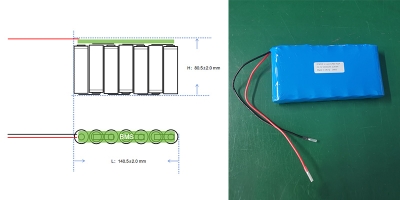
Low-Temperature LiFePO4 Battery for Remote Weather Stations: Powering Snow Measurement Equipment Through Mountain Winters
When a snow measurement station goes up on an exposed mountain ridge, its battery must survive harsh conditions. Most electronics were never built for such extremes. Sub‑zero winds, months of weak sunlight, and no technician within reach for years all place the burden on one component. That component is the power source. This is exactly where a well‑engineered low‑temperature LiFePO4 battery makes the critical difference. It separates a monitoring network that reports data reliably for a decade from one that goes dark halfway through its first winter.
Why Snow Measurement Equipment Needs a Purpose-Built Battery
Snow measurement equipment is usually a small, solar-powered weather station equipped with snow depth sensors, temperature probes, and a wireless data logger. Technicians install it permanently in a remote, harsh mountain environment, often far from roads, power lines, or regular maintenance visits. Once we bolt the unit to its mast, we expect the battery to keep working unattended. It must endure repeated freeze‑thaw cycles for several years.
That combination of remoteness, extreme cold, and long service life rules out most off-the-shelf battery options. We need to engineer the battery pack inside this kind of equipment around the application from day one. We cannot simply adapt it from a generic consumer cell.
The Power Challenge Behind Remote Weather Stations
Extreme Temperature Swings: -30°C to 50°C
A weather station mounted at altitude can see summer surface temperatures near 50°C and winter lows down to -30°C at the same site. The battery must store and deliver energy reliably across that entire range. It must do so without the capacity loss or safety risks that many lithium chemistries suffer in deep cold.
Ultra-Low Charge and Discharge Rates
Because we design the station for minimal power draw, discharge current typically stays below 0.05C, and the small solar panel with its energy harvesting circuit charges the battery at under 0.1C. This gentle current profile is manageable, but it still requires a chemistry and protection design that remains stable at low temperature. In such conditions, charging is far more sensitive to cell damage than discharging.
Years of Unattended Operation
With no scheduled battery replacement, the pack must hold its capacity over hundreds of shallow charge‑discharge cycles. It also needs to resist self‑discharge during long dark winters. Furthermore, it must keep supplying stable voltage to sensors and radios that depend on accurate readings.
Why LiFePO4 Is the Right Chemistry for This Application
Safety and Thermal Stability
LiFePO4 (lithium iron phosphate) is one of the most thermally stable lithium chemistries available. It resists thermal runaway far better than standard lithium-ion, which matters for equipment that sits unmonitored in the field for years at a time.
Long Cycle Life for Multi-Year Deployments
A LiFePO4 cell typically delivers thousands of charge cycles before capacity drops off. For a station cycling gently once a day between solar charging and sensor discharge, this translates into a service life that can comfortably match or exceed the equipment’s own design lifetime.
Flat Discharge Curve for Stable Sensor Voltage
LiFePO4’s voltage stays flat across most of its discharge curve. For snow sensors and data loggers, that means consistent voltage to the electronics right up until the battery is nearly empty, instead of a slow voltage droop that can affect sensor accuracy.

Inside a 3.2V 3000mAh LiFePO4 Battery Pack (1S2P, 18650)
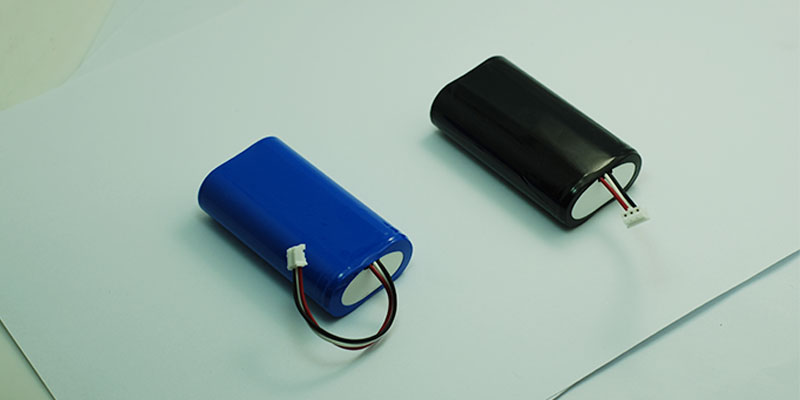
For this class of application, HIMAX builds a 3.2V 3000mAh LiFePO4 pack using two 18650 cells in a 1S2P configuration. We rate the pack for a maximum continuous discharge of 3A, a peak discharge of 6A, and a maximum charge current of 1.5A. These ratings are well above what a low‑power weather station actually draws. As a result, the pack provides comfortable headroom for surge loads like radio transmissions or heater elements.
- Battery type: LiFePO4, cell format 18650, configuration 1S2P
- Nominal voltage: 3.2V | Capacity: 3000mAh
- Dimensions: 67 x 37 x 20mm | Weight: approx. 92g
- Connector: JST XH2PIN, 5cm lead wire (customizable)
- Standard operating temperature: -20°C to 60°C
Matching Cell Chemistry to the Cold
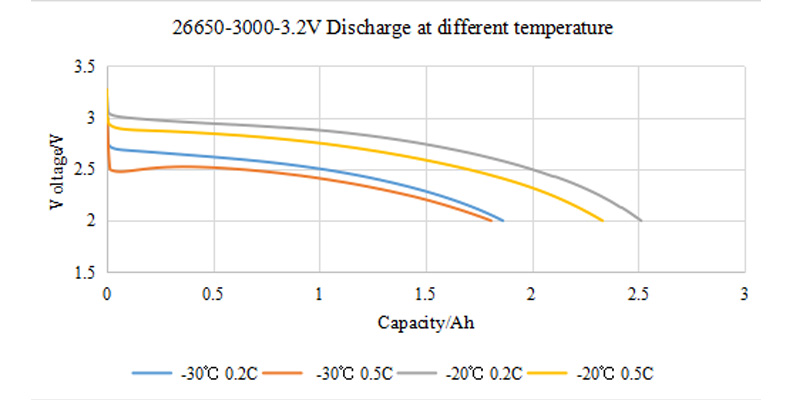
HIMAX’s standard commercial-grade LiFePO4 cells operate from -20°C to 60°C, which covers most outdoor equipment. For applications specified down to -30°C, our engineering team evaluates low‑temperature cell variants and pairs them with a protection circuit (BMS). We can configure this BMS to limit or suspend charging below a set temperature. This is a common and effective way to prevent cold‑charging damage while still allowing the battery to discharge and power the equipment in freezing conditions.
This is also where custom engineering earns its value: rather than forcing a project into a fixed part number, we start from the site conditions, the charge and discharge profile, and the required service life, then recommend the cell chemistry and BMS settings that fit.
From Sample to Mass Production: Built for OEM Reliability
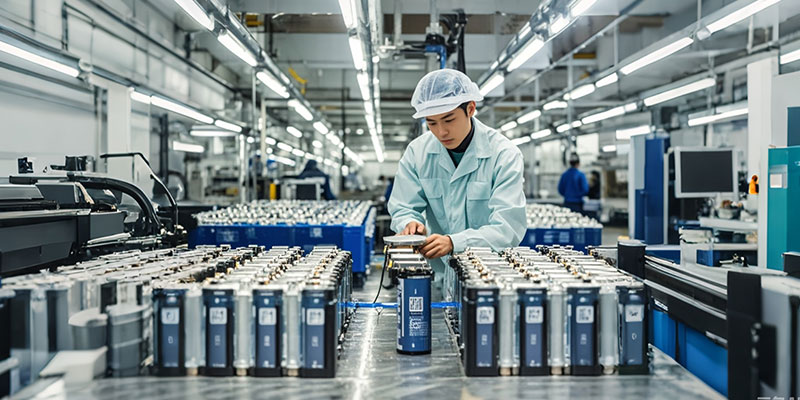
Behind every LiFePO4 battery pack that ships to an OEM customer is a manufacturing process built to keep performance consistent from the first sample to the ten-thousandth unit. We match and group cells before assembly. Then packs go through aging tests to screen out early‑life defects. Finally, we inspect finished units against voltage, capacity, and internal resistance specifications before they leave the factory.
That quality control discipline matters most for remote, unattended installations like snow measurement stations, where a single defective battery can mean a multi-day trip into the mountains just to replace it. For OEM customers, HIMAX supports the full project path. We provide sample orders for field testing, then we scale production once the design is validated. Along the way, we offer options to customize capacity, pack dimensions, connector type, cable length, and BMS protection features.
Where Else This Battery Platform Fits
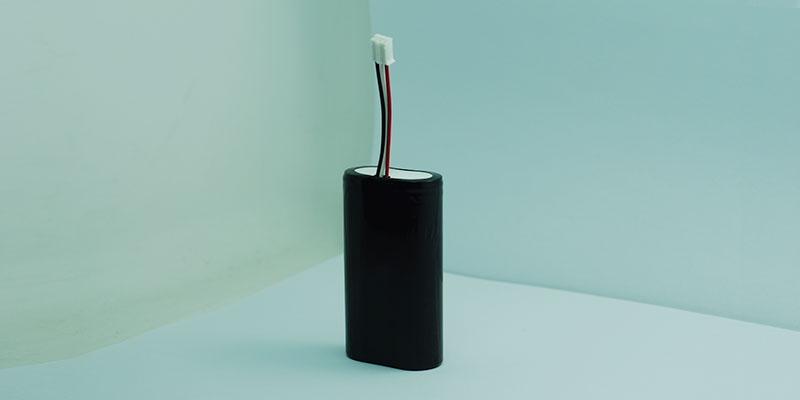
A 3.2V 3000mAh LiFePO4 18650 battery pack with JST XH2PIN connector, the same platform engineered for solar-charged snow measurement equipment.
The same low-temperature LiFePO4 platform used in snow measurement equipment also supports other unattended, harsh-environment applications, including exploration equipment battery packs for field and expedition gear, and underwater scooter battery packs for marine and diving equipment. Across all of these, the design priorities are the same: safe chemistry, stable output, and a pack that survives conditions the operator can’t control.
Get a Battery Solution Built for Your Environment
If you’re specifying a battery for snow measurement equipment, a remote weather station, or any solar-charged monitoring system, our engineering team can evaluate your temperature range, duty cycle, and deployment length, and recommend a cell and pack design to match. Contact HIMAX Electronics to start a conversation about your project, or follow us on Facebook for more battery engineering insights.
About the Author
Alden — Battery Engineer, Manufacturing & Quality Control, HIMAX Electronics. With hands-on experience in battery pack manufacturing, Alden oversees production processes, aging tests, and quality inspections. His work ensures consistent performance, low defect rates, and stable supply for OEM customers.