
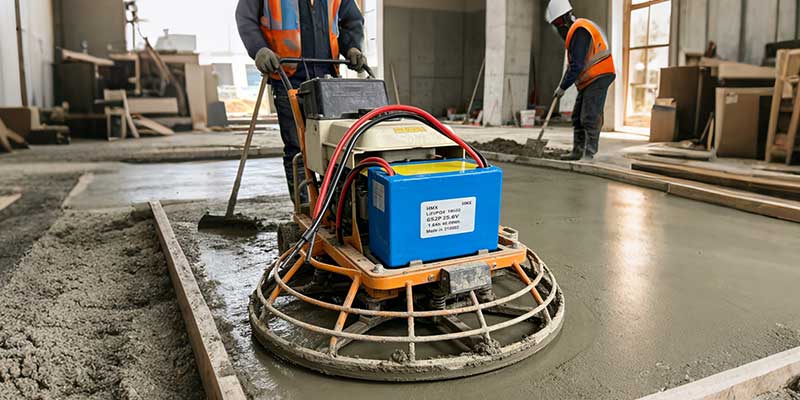
I’m Joan, a Battery Engineer at Himax Electronics, specializing in custom battery pack development for demanding OEM applications. Over the past decade, I’ve worked closely with manufacturers who rely on battery powered concrete screed systems—tools that don’t just need power, but need reliable power under extreme conditions.
If you’re a B2B buyer or equipment manufacturer, you already know the reality: traditional power solutions struggle with vibration, weight, and lifecycle limitations. That’s where a well-engineered LiFePO4 battery pack (25.6V 1.8Ah) changes the game.
In this article, I’ll walk you through how we designed a battery solution that can withstand continuous heavy vibration, reduce equipment weight by up to 70%, and extend lifecycle by 5–10×—without overpromising, just solid engineering.
Why Battery Powered Concrete Screed Systems Demand Better Energy Solutions
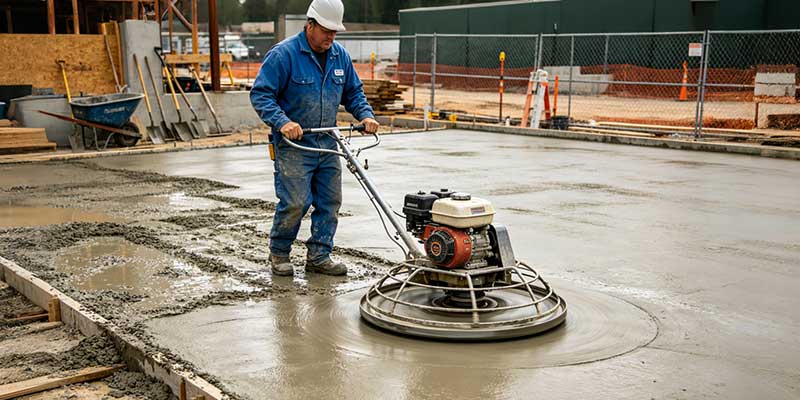
Concrete screeds are not gentle tools. They operate in one of the harshest environments in construction:
- Constant high-frequency vibration
- Dust, moisture, and temperature variation
- Long continuous working hours
- Heavy mechanical stress
Traditional power solutions—whether fuel-based or outdated battery systems—often fail in one or more of these areas.
The Core Problems I See
From my work with OEM clients, the biggest challenges include:
- Power instability under vibration
- Excessive equipment weight
- Short battery lifespan and frequent replacements
- Inconsistent supply quality
A poorly designed battery for a battery powered concrete screed doesn’t just reduce performance—it increases downtime and operational costs.
Why LiFePO4 Battery Technology Is the Right Choice
Let’s talk chemistry. Choosing the right battery chemistry is the foundation of everything.
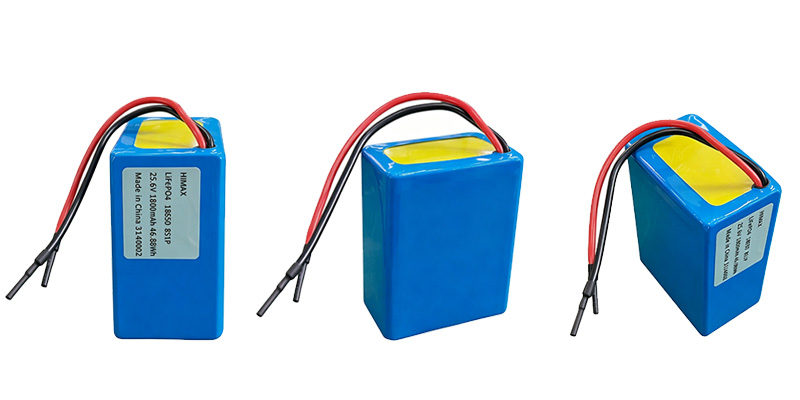
For this application, we selected LiFePO4 (Lithium Iron Phosphate), and specifically designed a 25.6V 1.8Ah (8S1P) battery pack.
Key Advantages of LiFePO4
Compared to traditional lithium-ion or lead-acid batteries:
- Higher thermal stability
- Longer cycle life (up to 2000 cycles)
- Better safety performance
- Stable voltage output under load
This is why I consistently recommend LiFepo4 battery 25.6V 1.8Ah for construction equipment applications.
Real Engineering Data
From the specification:
- Nominal Voltage:6V
- Capacity:8Ah
- Energy:08Wh
- Max Continuous Discharge:3A
- Cycle Life:≥2000 cycles
- Operating Temperature:-20°C to 60°C
This isn’t theoretical performance—this is validated under controlled testing conditions .
Designed for Vibration: Stability Under Extreme Conditions
If there’s one thing that defines a battery powered concrete screed, it’s vibration.
The Engineering Challenge
Most battery packs fail not because of chemistry, but because of:
- Internal connection fatigue
- Structural weakness
- Poor cell fixation
How We Solved It
In this custom pack, we implemented:
- Reinforced internal structure
- Optimized cell arrangement (8S1P)
- Shock-resistant housing design
- Low internal impedance (≤200mΩ at pack level)
Verified Performance
The battery passed vibration testing:
- Frequency range: 10–55 Hz
- Duration: multi-axis testing
- Result: No leakage, no fire, no explosion
What This Means for You
For manufacturers:
- Reliable operation in real-world construction environments
- Reduced failure rates
- Lower maintenance costs
This is what makes a battery powered concrete screed truly dependable.
Lightweight Design: Up to 70% Weight Reduction
Let’s talk about something every operator cares about—weight.
Traditional systems, especially lead-acid solutions, are heavy. And in construction, weight directly impacts:
- Operator fatigue
- Ease of transport
- Efficiency on-site
Our Solution
The LiFepo4 battery 25.6V 1.8Ah pack weighs approximately:
- 44 kg
Compared to traditional alternatives, this can reduce system weight by up to 70%.
Why It Matters
For your equipment:
- Easier handling
- Improved ergonomics
- Increased productivity
For your business:
- Better product positioning
- Competitive differentiation
And yes—your customers will notice the difference immediately.
Long Lifecycle: 5–10× Longer Than Traditional Solutions
Now let’s talk about lifecycle—because this is where the real ROI happens.
The Reality of Battery Replacement
Frequent battery replacement leads to:
- Higher operational costs
- Increased downtime
- Customer dissatisfaction
What We Achieved
With LiFePO4 chemistry:
- ≥2000 charge/discharge cycles
- Capacity retention ≥80% after full lifecycle
Compared to traditional batteries:
- 5–10× longer lifespan
Why This Matters for B2B Buyers
For procurement teams:
- Lower total cost of ownership
- Reduced inventory pressure
- Improved supply chain stability
This is why I often say: choosing the right battery is not a cost—it’s an investment.
Safety: Built Into the Design, Not Added Later
Safety is not a feature—it’s a requirement.
Built-In Protection
The battery pack includes:
- Overcharge protection (3.75V per cell detection)
- Over-discharge protection (2.2V threshold)
- Over-current protection (up to 27A detection)
- Short-circuit protection
Mechanical Safety
- Crush test: no fire, no explosion
- Drop test: stable after 1m drop
- Thermal test: stable up to high temperatures
All verified under standard testing protocols .
What This Means
For your product:
- Reduced liability
- Compliance with industry standards
- Increased customer trust
A safe battery powered concrete screed is not optional—it’s expected.
Custom Battery Pack Development: My Approach
At Himax Electronics, customization is not just about specs—it’s about solving real problems.
My Process
When I work with OEM clients, I follow a structured approach:
1. Application Analysis
· Load profile
· Operating environment
· Mechanical constraints
2. Cell Selection
· Chemistry (LiFePO4)
· Capacity (1.8Ah)
· Configuration (8S1P)
3. Pack Design
· Structural reinforcement
· Thermal considerations
· Electrical protection
4. Validation Testing
· Electrical performance
· Mechanical durability
· Safety compliance
The Result
A fully optimized LiFepo4 battery 25.6V 1.8Ah tailored for your application.
Supply Chain Stability: What B2B Buyers Actually Need
Let’s be practical. Performance is important—but supply stability is critical.
Common Concerns
- Inconsistent quality
- Delivery delays
- Lack of technical support
Our Approach
- Standardized manufacturing processes
- Strict quality control
- Reliable delivery timelines
- Direct engineering support
Business Impact
For your company:
- Predictable production schedules
- Reduced risk
- Long-term partnership reliability
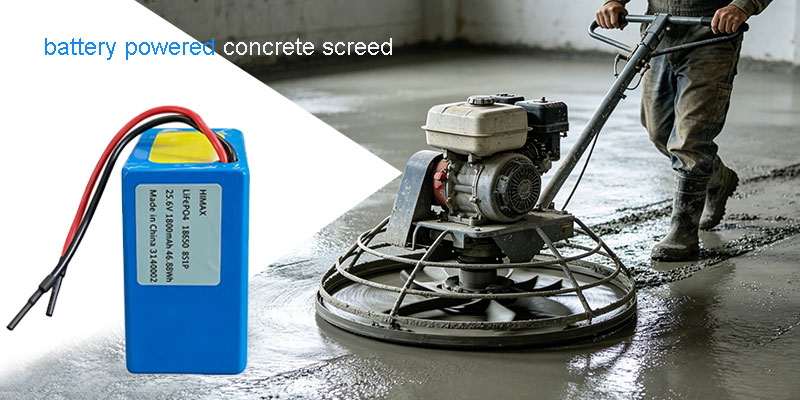
This is how we support scalable growth for battery powered concrete screed manufacturers.
Application Value: Real Impact on Equipment Performance
Let’s summarize what this battery solution delivers:
Performance Benefits
- Stable output under vibration
- Lightweight design
- Long lifecycle
- High safety standards
Business Benefits
- Lower total cost
- Improved product reliability
- Stronger market competitiveness
This is not just a battery—it’s a performance upgrade for your entire system.
Conclusion: The Right Battery Powers Better Equipment
In demanding applications like construction, the difference between average and exceptional performance often comes down to one component—the battery.
A well-designed battery powered concrete screed system powered by a LiFepo4 battery 25.6V 1.8Ah delivers:
- Stability under extreme conditions
- Significant weight reduction
- Long-term reliability
- Enhanced safety
From my experience, the right battery doesn’t just power your equipment—it strengthens your entire product strategy.
Call to Action
If you’re looking to upgrade your battery powered concrete screed with a reliable, lightweight, and long-lasting power solution, let’s talk.
Contact us today to develop a custom battery pack tailored to your application needs.
Author: Joan Battery Engineer – Custom Pack Development
Published: April 13th, 2026