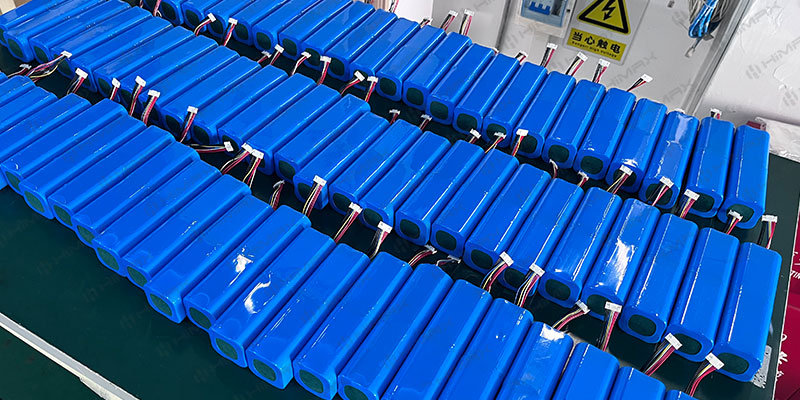
In modern robotics, power stability is not just a requirement—it is a competitive advantage. As a battery engineer with over 10 years of experience in BMS and protection system design, I have seen firsthand how the right Robot battery solution directly impacts performance, safety, and lifecycle cost. For robotics manufacturers in the United States and Europe, the challenge is clear: you need a Robot battery that delivers consistent power, meets strict regulatory standards, and can be customized to your exact application—without inflating costs.
In this article, we will explore how a 14.4V 6.4Ah lithium-ion robot battery built with Samsung 18650 35E cells and an advanced Battery Management System (BMS) provides a reliable, safe, and cost-effective robot power solution for demanding applications.
Why Custom Robot Battery Design Matters for Robotics Manufacturers
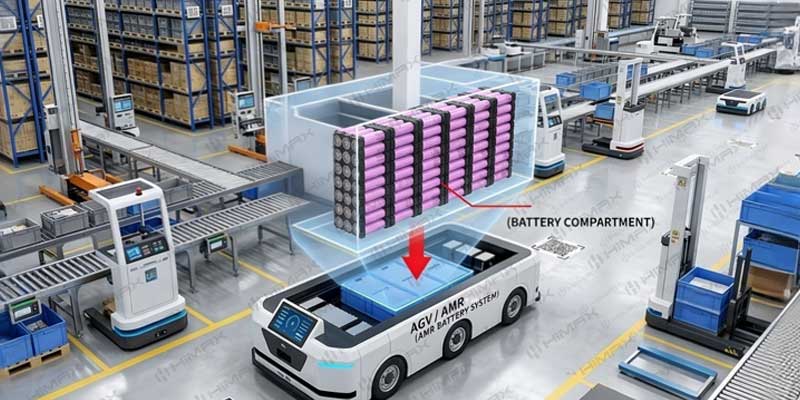
A standard off-the-shelf battery rarely meets the nuanced requirements of robotics systems. Whether you are building autonomous mobile robots (AMRs), underwater drones, inspection robots, or service robots, your power system must align with your mechanical, electrical, and environmental constraints.
From our experience working with robotics OEMs, especially in the U.S. market, engineers consistently emphasize:
- Stable voltage output under dynamic load
- Compact form factor integration
- High energy density for longer runtime
- Advanced safety protection
- Compliance with CE, RoHS, and other certifications
This is where custom battery pack design becomes critical.
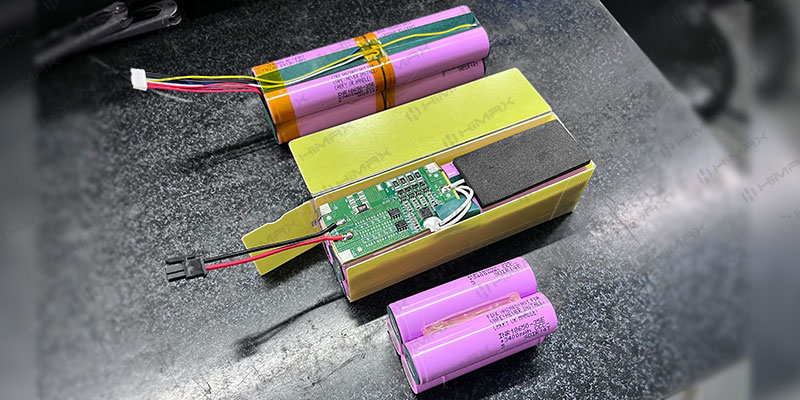
Key Advantages of Customization
A tailored Robot battery solution provides:
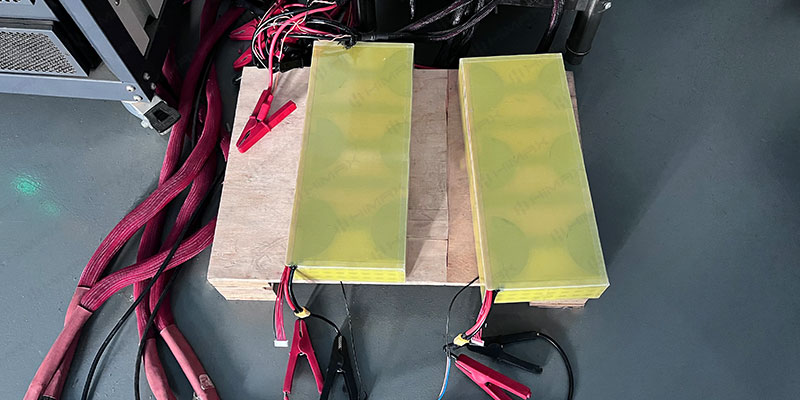
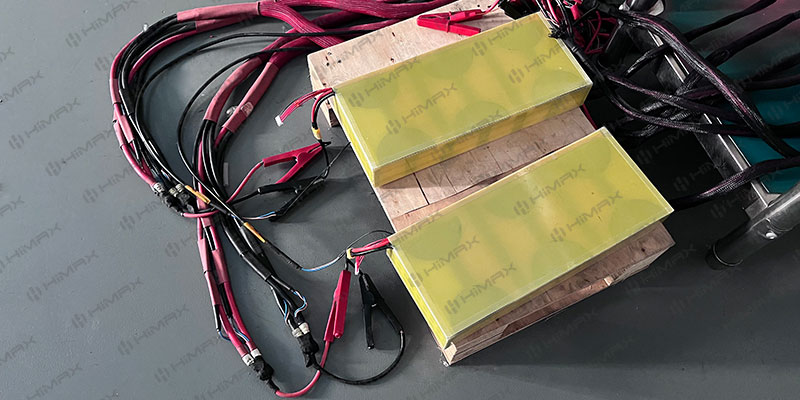
- Optimized Dimensions:Fit within tight robotic chassis (e.g., max size 42×39×134mm)
- Application-Specific BMS Tuning:Adjust overcurrent, thermal thresholds
- Connector & Interface Customization:Plug-and-play integration
- Charging Strategy Adaptation:Especially important for solar-powered robots
- Improved Lifecycle Cost:Reduced failure rates and maintenance
In one U.S.-based robotics application, engineers required a compact yet high-capacity pack for continuous marine operation. Their feedback emphasized “stable discharge curves and predictable protection behavior”—exactly what a properly designed BMS delivers.
Core Specifications of the 14.4V 6.4Ah Lithium-ion Battery
Let’s break down the technical configuration of this Robot battery, and why each parameter matters for robotics applications.
Battery Configuration Overview
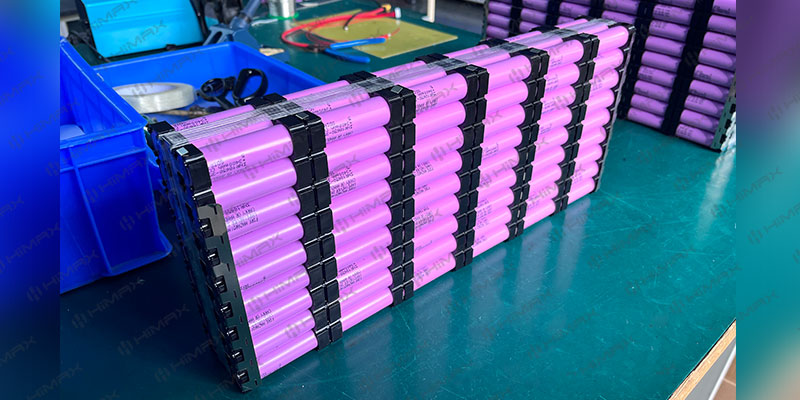
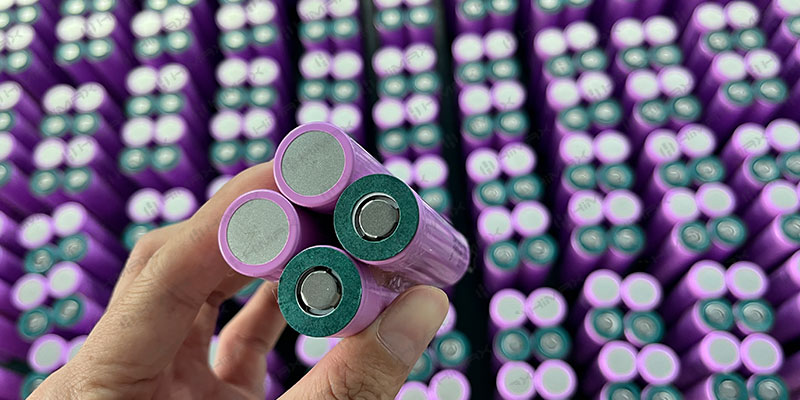
- Cell Type:Samsung 18650 35E
- Nominal Voltage:14.4V
- Capacity:6.4Ah
- Energy:92.16Wh
- Configuration:4S2P (4 cells in series, 2 in parallel)
This configuration ensures a balance between energy density and thermal performance.
Why Samsung 35E Cells?
Samsung 18650 35E cells are widely recognized for:
- High energy density
- Stable discharge performance
- Proven reliability in industrial applications
For robotics manufacturers, this translates into:
- Longer runtime per charge
- Reduced battery replacement frequency
- Lower total cost of ownership
Mechanical Design Constraints
- Maximum Dimensions:42 × 39 × 134 mm
Compactness is crucial in robotics. This Robot battery is designed to fit within space-constrained systems without compromising capacity.
Advanced BMS Protection: The Core of Battery Safety
A battery is only as reliable as its protection system. At Himax Electronics, our focus has always been on BMS and PCM design. This Robot battery integrates a sophisticated protection board with balancing functionality.
Key Protection Features
- Overcharge Protection
- Over-discharge Protection
- Overcurrent Protection (3A threshold)
- Short Circuit Protection
- Thermal Protection (60°C cutoff)
- Cell Balancing Function
Why Cell Balancing Matters
In multi-cell packs, imbalance between cells can lead to:
- Reduced capacity
- Shortened lifespan
- Safety risks
The integrated balancing function ensures:
- Uniform charge distribution
- Extended battery life
- Improved system reliability
Thermal Protection in Robotics
Robots often operate in:
- Outdoor environments
- Confined enclosures
- High-load conditions
With a 60°C temperature protection threshold, this Robot battery ensures safe shutdown before thermal runaway risks occur.
Robot Battery for Solar Charging Applications
One of the most common questions we receive is:
Long-tail keyword: How to choose a robot battery for solar charging systems?
This is especially relevant for:
- Remote inspection robots
- Agricultural robots
- Marine or environmental monitoring systems
Charging Considerations
This battery supports:
- Maximum Charging Current:2A
However, when integrating solar panels, you must carefully evaluate:
- Solar panel voltage output
- Current stability under varying sunlight
- Use of MPPT or PWM charge controllers
Key Recommendations
When using solar charging:
- Match panel output to battery charging profile
- Ensure regulated charging current (≤2A)
- Use a proper charge controller to avoid overvoltage
A poorly matched solar system can reduce battery life—even if the Robot battery itself is well-designed.
Compliance and Certification for Global Markets
For robotics manufacturers targeting Europe and North America, compliance is non-negotiable.
This Robot battery meets:
- CE Certification
- RoHS Compliance
Why Certification Matters
- Required for market entry in EU
- Ensures environmental safety standards
- Reduces legal and operational risks
For OEMs, using a certified Robot battery simplifies:
- Product approval processes
- Customer trust building
- Regulatory audits
Performance Optimization in Real Robotics Applications
In real-world deployments, performance depends on more than specifications. It depends on how well the Robot battery integrates into the system.
Key Performance Factors
- Load profile (continuous vs peak current)
- Operating temperature range
- Duty cycle
- Charging frequency
Example Use Cases
This Robot battery is ideal for:
- Autonomous mobile robots (AMR)
- Inspection robots
- Service robots
- Marine robotics
- Security and surveillance robots
In one U.S.-based deployment scenario, engineers emphasized the need for:
- “Consistent voltage under intermittent high load”
- “Reliable protection without false triggering”
These are exactly the conditions where a well-designed BMS makes a difference.
Cost-Performance Balance: A Strategic Advantage
Robotics manufacturers are under constant pressure to reduce costs while improving performance. A high-quality Robot battery is not an expense—it is an investment.
Cost Drivers in Battery Design
- Cell quality
- BMS complexity
- Certification requirements
- Customization level
How We Optimize Cost
We achieve high cost-performance through:
- Proven cell selection (Samsung 35E)
- Efficient pack design
- Scalable manufacturing
- Tailored BMS solutions
The result is a robot power solution that delivers:
- High reliability
- Long lifespan
- Competitive pricing
How to Choose the Right Robot Battery?
Another common question from OEM clients:
How to choose a robot battery for solar charging systems?
And more broadly:
Selection Criteria Checklist
- Voltage compatibility with system
- Required runtime (Ah capacity)
- Peak current requirements
- Environmental conditions
- Certification needs
- Physical dimensions
Our Recommendation
Always start with your application:
- Define power consumption profile
- Identify environmental constraints
- Determine charging method
Then work backward to design the optimal Robot battery.
Future Trends in Robot Battery Technology
The robotics industry is evolving rapidly, and so are battery technologies.
Key Trends
- Higher energy density cells
- Smart BMS with communication protocols
- Faster charging capabilities
- Integration with renewable energy systems
However, safety and reliability remain the foundation. No matter how advanced the technology becomes, a robust Robot battery design with proper protection will always be essential.
Conclusion: Powering Robotics with Confidence
In today’s competitive robotics market, choosing the right Robot battery is not just about specifications—it’s about reliability, safety, and long-term value.
The 14.4V 6.4Ah lithium-ion robot battery we discussed offers:
- High-quality Samsung 18650 35E cells
- Advanced BMS with full protection and balancing
- Compact and customizable design
- CE and RoHS compliance
- Optimized performance for demanding applications
Whether you are developing next-generation autonomous systems or improving existing platforms, a well-engineered Robot battery is the foundation of your success.
Call to Action
If you are a robotics manufacturer looking for a reliable, customizable, and cost-effective Robot battery solution, we are ready to support your project.
Contact us today to discuss your requirements and develop a tailored robot power solution that perfectly fits your application.
Author: Shawn, Battery Engineer – Power System Design
Published: April 7th, 2026
More information about Li-ion batteries:
Bionic Hand Battery: 7.4V 1000mAh High-Discharge Power
Emergency Light Battery That Survives 100°C Fire Conditions – 35-Min Proven LiFePO4 Performance