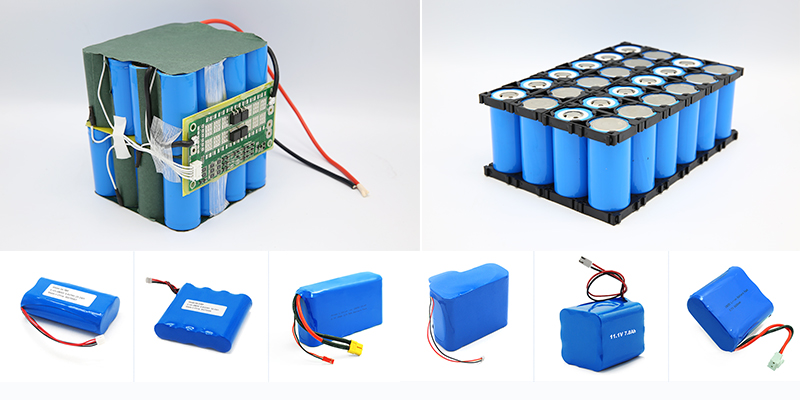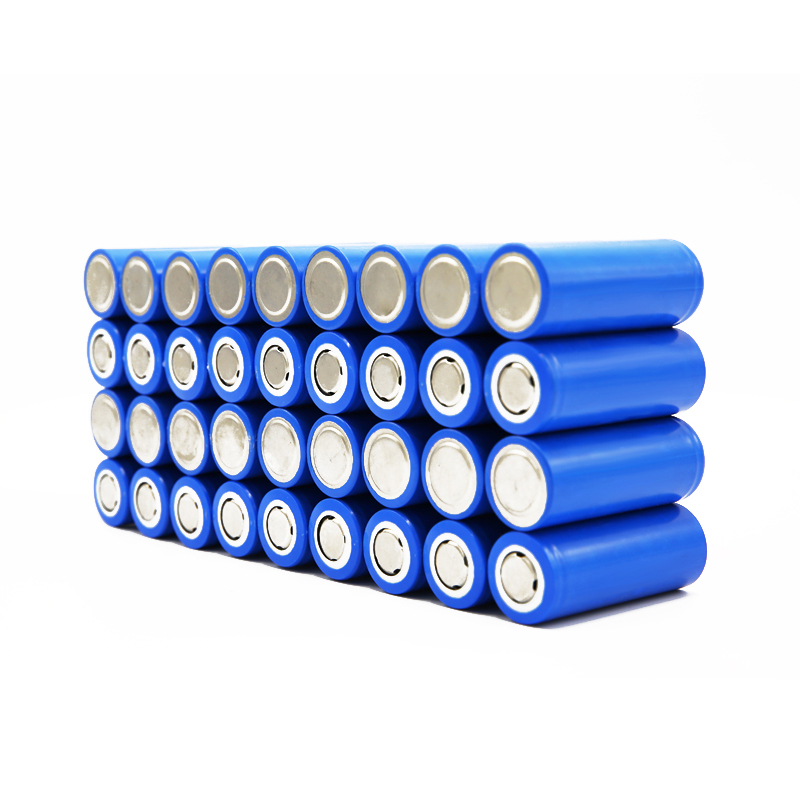
Himax Electronics Battery News

charger battery li ion

Chargers
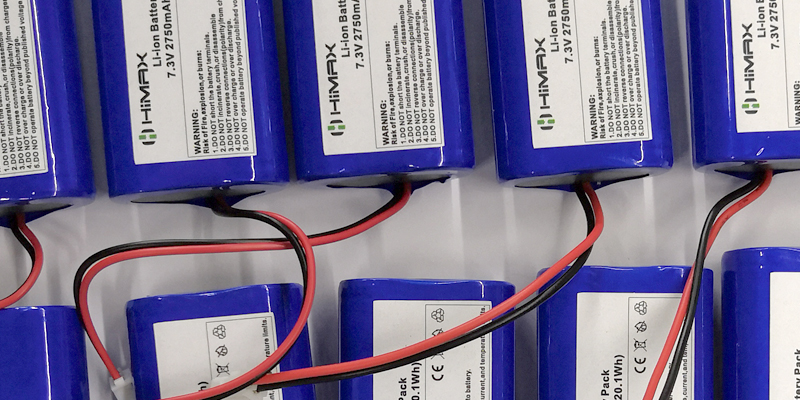
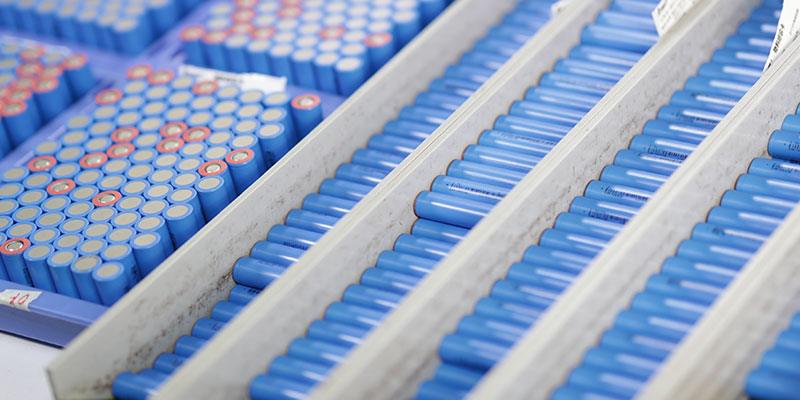
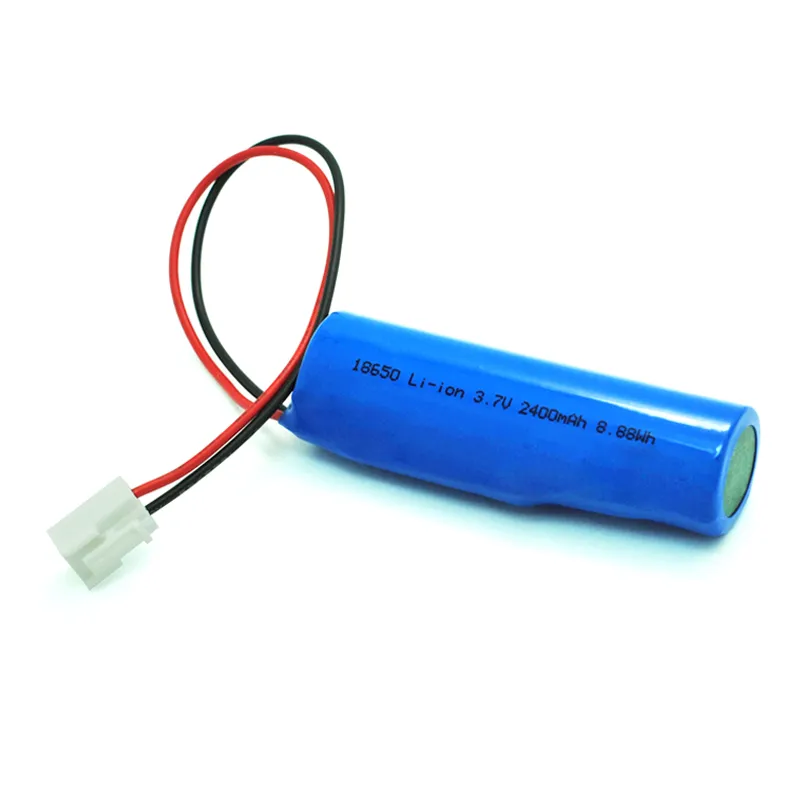
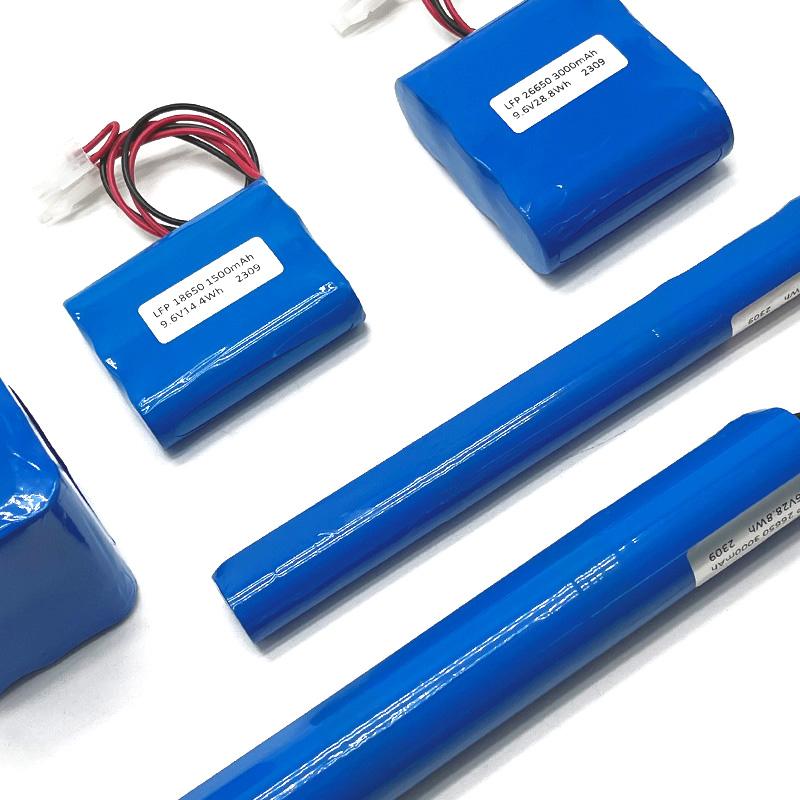
In today’s fast-paced world, reliable power is more than a convenience—it’s a necessity. Whether you’re safeguarding critical communications, powering portable devices, or streamlining industrial applications, a high-quality 12V rechargeable Li-ion battery paired with the right charger can make all the difference. In this post, we’ll dive deep into what makes 12V Li-ion technology special, guide you through selecting the perfect battery and charger combo, and introduce you to Himax’s factory-direct solutions built for B2B bulk buyers.


1. What Is a 12V Li-Ion Battery?

Fundamentals of Li-Ion Chemistry
Lithium-ion batteries store and release energy by shuttling lithium ions between anode and cathode materials. This chemistry delivers exceptional energy density—meaning more power in a smaller, lighter package—perfect for 12V systems where space and weight matter.

Why 12V Matters
With a nominal voltage of around 12.8V, Li-ion packs strike the ideal balance between voltage and safety. They power everything from UPS backup units in data centers to portable lighting and telecom backup, all while keeping devices lean and mean.

Rechargeable Performance
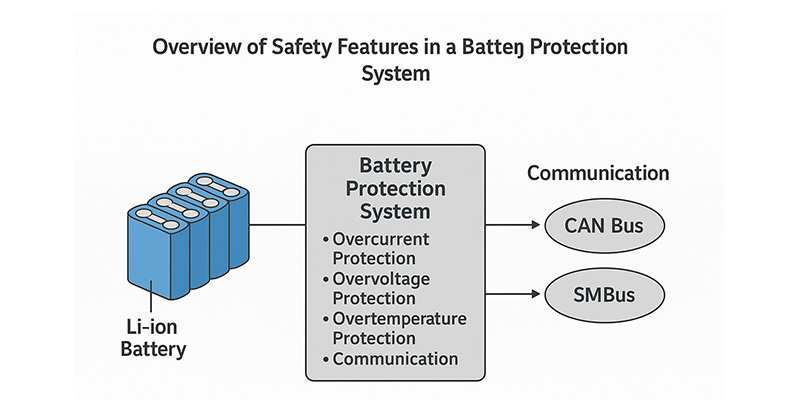
Unlike disposable cells, rechargeable Li-ion batteries maintain over 80% of their capacity even after hundreds—or thousands—of cycles. Built-in Battery Management Systems (BMS) protect against over-charge, over-discharge, and thermal issues, ensuring longevity and safety.


2. How to Choose the Right 12V Rechargeable Li-Ion Battery

Capacity (Ah) & Energy (Wh)
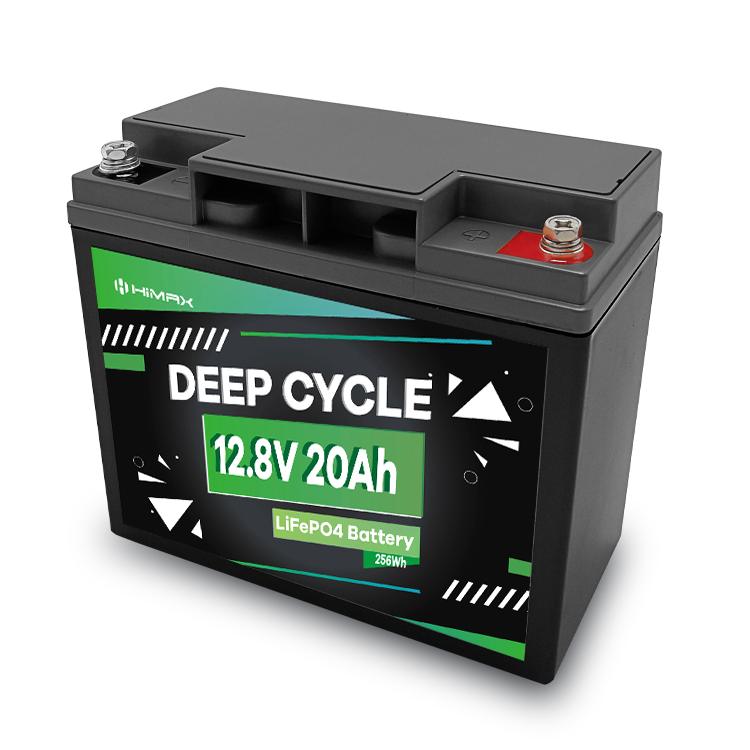
Match amp-hour ratings to your runtime needs. A 20Ah pack at 12.8V delivers roughly 256Wh—enough to run a 50W load for about 5 hours.

Discharge Rate (C-Rating)
High-drain applications (like power tools) require higher C-ratings to deliver bursts of current without voltage sag. For steady loads (e.g., sensors, lights), lower C-ratings are perfectly adequate.

Operating Temperature & Build Quality
Look for cells rated for –20°C to +60°C and rugged casings (PVC, ABS) to handle real-world environments.

Certifications
UL, CE, RoHS, and UN38.3 compliance aren’t just buzzwords—they guarantee your batteries meet international safety and transport standards.

charger battery li ion

3. Real-World Applications & Use Cases

  • Uninterruptible Power Supplies (UPS):Keep surveillance and networking gear online during outages.
  • Telecom & Remote Monitoring:Reliable backup for cell towers and environmental sensors.
  • Portable Equipment:From medical devices to outdoor lighting, 12V Li-ion packs deliver consistent performance.
  • Custom Industrial Solutions:Tailored configurations for robotics, AGVs, and more—perfect for bulk B2B procurement.


4. Selecting the Perfect Charger for Your Li-Ion Pack

Voltage & Current Matching
Your charger must supply the correct voltage (typically 14.4V–14.6V for a 4-cell series pack) and a current that balances charge speed with cell health—often 0.5C–1C.

Smart Charging Profiles
Look for constant-current/constant-voltage (CC/CV) cycles, automatic tapering, and end-of-charge detection to maximize capacity and lifespan.

Safety Features
Over-current, over-voltage, short-circuit, and thermal protection keep both battery and charger safe—especially important in B2B deployments.

Connector & Cable Standards
Ensure compatibility with XT60, M5 terminals, or custom connectors. High-quality, appropriately gauged cables reduce resistive losses and heat buildup.

battery li ion rechargeable

5. Why Choose Himax for Your 12V Li-Ion Batteries & Chargers?

Factory-Direct Advantages

  • 18 Years of Expertise (IEC62639 Certification, No. DK-148842-UL):From cell selection to final QC, our process is honed by experience.
  • Custom Designs:Voltage, capacity, shape, connector—you name it, we deliver.
  • Bulk Pricing & Fast Lead Times:Competitive quotes and production schedules designed for large orders.


Global Certifications & Support
CE, RoHS, UN38.3 tested—and backed by local after-sales teams in Europe and North America to keep your projects on track.

Sample & Testing
Need to validate performance? We offer free prototype samples and detailed test reports before you commit to mass production.

12V li ion battery

6. FAQs from Bulk Buyers

  1. How do 12V Li-ion batteries compare to lead-acid?
    Li-ion offers 3× the cycle life, weighs 60% less, and maintains voltage until depletion—no more voltage sag.
  2. What’s the ideal charging temperature?
    15°C–35°C for best cycle life; most BMS designs include thermal cut-offs outside safe ranges.
  3. 3.Can I mix old and new cells?
    Never mix cells of different ages or capacities—always use matched sets for safety and performance.
  4. 4.What happens if I use the wrong charger?
    Under-voltage chargers lead to incomplete charging; over-voltage or uncontrolled current can damage cells and void warranties.
  5. 5.What bulk-order discounts are available?
    Contact us directly—orders over 1,000 units unlock tiered pricing and flexible payment terms.


Conclusion & Next Steps

Investing in high-quality 12V rechargeable Li-ion batteries and matching chargers pays dividends in reliability, safety, and total cost of ownership. Ready to power your next project?
Contact Himax today for your free samples, custom quotes, and technical support.

lithium-ion-solar-battery

Reliable power isn’t a luxury—it’s essential. Whether you’re setting up an off-grid solar array, keeping critical communications online, or equipping a fleet of portable devices, the right 12V rechargeable lithium-ion (Li-ion) solar battery and charger combo can make all the difference. In this post, we’ll walk you through Li-ion basics, break down solar-ready battery specs, guide you on choosing the perfect charger, and introduce you to Himax’s factory-direct solutions tailored for bulk buyers.

lithium-ion-solar-battery

1. Understanding 12V Rechargeable Lithium-Ion Batteries

What Makes 12V Li-Ion “Rechargeable”?

Rechargeable Li-ion batteries store energy by shuttling lithium ions between their positive and negative electrodes. Unlike single-use cells, they’re engineered to endure hundreds or even thousands of charge/discharge cycles while retaining most of their capacity—so you’re not constantly replacing dead cells.

Advantages over Lead-Acid & Other Chemistries

  • Weight & Size:Up to 60% lighter and significantly smaller for the same energy.
  • Cycle Life:Lasts 3×–5× longer than typical sealed lead-acid batteries.
  • Voltage Stability:Maintains near-constant voltage until nearly depleted, avoiding “voltage sag” under load.


2. Why 12V Rechargeable Lithium-Ion Is the Sweet Spot

Industry Standard for Small to Medium Systems
A nominal 12.8V pack (4 cells in series) perfectly balances efficiency, safety, and compatibility with existing 12V inverters, charge controllers, and accessories.

Ideal for Solar Storage

  • Energy Density:Packs deliver 100–200 Wh per kg, so your battery bank takes up less space.
  • Modular Scalability:Easily connect multiple 12V packs in parallel for higher capacity or in series for higher voltage.
  • Temperature Performance:Many Li-ion chemistries perform reliably from –20 °C to +60 °C with minimal capacity loss.


3. 12V Lithium-Ion Solar Batteries: Key Features

Deep-Cycle Design
Solar-optimized Li-ion batteries are built for frequent deep discharge (up to 80% depth-of-discharge) without degrading quickly.

Built-In BMS (Battery Management System)
Modern packs include a smart BMS that monitors individual cells, preventing over-charge, over-discharge, over-current, and high temperature—critical for long-term reliability.

High Cycle Life
Expect 2,000+ cycles at 80% DoD—equivalent to 5+ years of daily cycling, perfect for off-grid cabins, telecom backup, and renewable energy installations.

12v-lithium-ion-battery

4. Choosing the Right 12V Li-Ion Battery

Capacity (Ah) & Energy (Wh)
Calculate your energy needs: e.g., a 100 Ah 12.8 V pack stores about 1,280 Wh. Match that against your solar panel output and daily load to size your bank correctly.

Discharge Rate (C-Rating)
Think about your peak loads. If you have power tools or motorized equipment, choose packs rated 1C–2C (100A–200A for a 100 Ah pack) to avoid voltage drops.

Environmental Durability
Select modules with robust casings (ABS or aluminum) and cell chemistries rated for wider temperature ranges if you’re in extreme climates.

Certifications & Safety
Look for UN38.3 (air transport), CE, RoHS, and UL listings to ensure your purchase meets global safety and transport regulations.

5. How to Pick the Perfect Charger

Voltage & Current Matching
Your charger should output around 14.4–14.6 V for a 12.8 V pack and charge at 0.2C–0.5C (20–50 A for 100 Ah) unless you need rapid charging.

CC/CV Charging Profile
Constant-Current/Constant-Voltage (CC/CV) charging is the industry standard to maximize capacity and extend cell life.

Smart Features & Protections
Automatic cut-off, temperature monitoring, short-circuit protection, and reverse-polarity detection keep both battery and charger safe—especially important in harsh outdoor installations.

Connector Compatibility
Ensure your charger matches the pack’s terminals (M8 studs, XT60, Anderson Powerpole) and uses appropriately gauged cables to minimize voltage drop.

6. Himax Factory-Direct Solutions for Bulk Buyers

Why Himax?

  • 18 Years of Expertise:From cell selection to final QC, we fine-tune every step.
  • Custom Configurations:Voltage, capacity, casing, connectors—all tailored to your project.
  • Competitive Bulk Pricing & Fast Lead Times:Designed for B2B procurement.


Flagship Products

  • Himax 12.8 V 100 Ah Solar Li-Ion Battery:2,500+ cycles @ 80% DoD, integrated BMS, IP65 casing.
  • Himax 12.8 V 50 Ah Fast-Charge Pack:1 C charge capability, ideal for micro-grids and telecom backup.


Matching Chargers & Solar Controllers

  • 14.6 V / 20 A CC/CV Charger:Intelligent tapering, thermal protection.
  • MPPT Solar Charge Controller:Maximizes harvest from panels, compatible with 12V Li-ion banks.


Global Certifications & Local Support
CE, RoHS, UN38.3 tested—and backed by after-sales teams in Europe and North America to keep your operations running smoothly.

lithium-ion-battery-charger

7. FAQs for Bulk Buyers

  1. What makes 12V Li-ion superior to lead-acid for solar storage?

    Li-ion offers 3–5× longer life, higher depth-of-discharge, 60% less weight, and consistent voltage under load.

  2. What temperature range is safe for solar Li-ion batteries?

    Ideally 0 °C–45 °C for charging; –20 °C–60 °C for discharge. Always consult the BMS specs.

  3. Can I parallel multiple 12V Rechargeable Lithium-Ion packs?

    Yes—parallel up to 4–6 identical packs for higher capacity. For higher voltage, series connections are possible but require exact matching.

  4. How does a BMS protect my system?

    It balances cell voltages, cuts off at safe thresholds, and prevents thermal runaway—critical for any large battery bank.

  5. What bulk discounts and lead times can I expect?

    Contact our sales team for tiered pricing on orders over 100 units and 4–6 week lead times.


Conclusion & Call to Action

High-quality 12V rechargeable lithium-ion solar batteries and chargers deliver unmatched performance, safety, and ROI for B2B applications. Ready to elevate your power systems? Contact Himax today for free samples, custom quotes, and technical support.

best-48v-lifepo4-battery

Smart street lighting systems are revolutionizing urban infrastructure by improving energy efficiency, reducing maintenance costs, and enabling IoT-based monitoring. A critical component of these systems is the power supply, where 48V LiFePO4 (Lithium Iron Phosphate) batteries play a pivotal role. Shenzhen Himax Electronics Co., Ltd., a leading innovator in energy storage solutions, offers the HiMASSi 48V LiFePO4 battery, designed to deliver long lifespan, high safety, and superior performance for smart street light controllers.

Why 48V LiFePO4 Batteries Are Ideal for Smart Street Lights

1. High Energy Efficiency & Long Cycle Life

LiFePO4 batteries provide 2,000–5,000 charge cycles, far exceeding traditional lead-acid batteries (300–500 cycles). This ensures lower replacement costs and long-term reliability for street lighting systems.

2. Enhanced Safety & Thermal Stability

Unlike lithium-ion batteries, LiFePO4 chemistry is non-combustible and resistant to overheating, making it ideal for outdoor applications where temperature fluctuations occur.

3. Stable 48V Power Supply for Smart Controllers

Smart street light controllers require stable voltage input to support:

IoT sensors (motion detection, ambient light sensing)

Wireless communication modules (4G/5G, LoRa, Zigbee)

Remote monitoring & dimming control

The 48V HiMASSi LiFePO4 battery ensures consistent power delivery, preventing voltage drops that could disrupt operations.

4. Solar Compatibility for Off-Grid Lighting

Many smart street lights integrate solar panels for sustainable energy. The HiMASSi 48V battery efficiently stores solar energy, enabling 24/7 operation without grid dependency.
street-light-battery

Technical Specifications of HiMASSi 48V LiFePO4 Battery

Parameter Specification
Nominal Voltage 48V
Capacity Options 50Ah / 100Ah / 200Ah (Customizable)
Cycle Life 2,000–5,000 cycles (80% DOD)
Charge Temperature 0°C to 45°C (32°F to 113°F)
Discharge Temperature -20°C to 60°C (-4°F to 140°F)
Efficiency ≥95%
BMS Protection Overcharge, Over-discharge, Short Circuit
Weight ~30% lighter than lead-acid equivalents

Applications in Smart Street Lighting

Automatic Brightness Adjustment (via light sensors)

Motion-Activated Lighting (energy savings)

Remote Fault Detection (real-time alerts)

Peak Load Shaving (reducing grid demand)
48v_100ah_lifepo4_battery​_

Conclusion

The HiMASSi 48V LiFePO4 battery by Shenzhen Himax Electronics Co., Ltd. provides a reliable, long-lasting, and eco-friendly power solution for smart street light controllers. With high efficiency, solar compatibility, and advanced BMS protection, it is an optimal choice for modern smart city infrastructure.


Lithium iron phosphate battery charger

At HIMAX Electronics, we specialize in providing high-performance battery solutions tailored for robotics, electric vehicles, and energy storage applications. One of the common questions we receive is whether Lead Acid battery chargers can charge LiFePO4 (Lithium Iron Phosphate) batteries. In this article, we will clarify the key differences between Lead Acid and LiFePO4 batteries, and why using the wrong charger can lead to safety hazards and poor performance.

Understanding Lead Acid and LiFePO4 Batteries

Before diving into charger compatibility, it’s important to understand the fundamental differences between Lead Acid batteries and LiFePO4 batteries:

  1.Lead Acid Batteries:

Lead Acid batteries are the traditional choice for automotive, backup power, and other applications.

They operate at a nominal voltage of 2V per cell, typically in 12V, 24V, and 48V configurations.

These batteries are relatively inexpensive but have a shorter lifespan and lower energy density compared to lithium-based batteries.

  2.LiFePO4 Batteries:

LiFePO4 battery is a type of lithium-ion battery that is renowned for its safety, longer cycle life, and stability.

LiFePO4 batteries operate at a nominal voltage of 3.2V per cell, with configurations similar to other lithium batteries (e.g., 12.8V, 25.6V, 51.2V).

These batteries have a higher energy density and are ideal for applications like electric vehicles, solar energy storage, and high-performance robotics, the core focus of HIMAX Electronics.


lifepo4-battery-charger


Why Lead Acid Battery Chargers Can’t Charge LiFePO4 Batteries

While both Lead Acid and LiFePO4 are rechargeable batteries, they have different charging profiles, which makes using a Lead Acid charger for LiFePO4 battery both inefficient and unsafe. Here’s why:

  1.Voltage Differences:

Lead Acid batteries typically charge to a voltage of around 2.4-2.45V per cell, whereas LiFePO4 batteries require a higher voltage, typically around 3.6-3.65V per cell.

This voltage mismatch means that a Lead Acid charger will fail to provide the proper charging voltage required for LiFePO4 cells. As a result, your LiFePO4 battery will not be fully charged or may remain undercharged, leading to poor performance and reduced lifespan.

  2.Charging Profiles and Algorithms:

LiFePO4 battery has a very specific charging profile that includes a constant current (CC) phase followed by a constant voltage (CV) phase. Lead Acid chargers, however, are designed for the charging characteristics of lead-based batteries, which involves a different algorithm.

Lead Acid chargers are not equipped to handle the precise voltage and current control that LiFePO4 batteries require. Using a Lead Acid charger may not only fail to charge the battery but also lead to overcharging or undercharging, which can damage the battery.

  3.Battery Management System (BMS) Requirements:

LiFePO4 battery relies on a Battery Management System (BMS) to monitor the charging process, balance cells, and protect the battery from overvoltage, undervoltage, and excessive temperature.

Lead Acid chargers lack the necessary BMS support for LiFePO4 batteries, which could lead to unsafe conditions like overheating or even battery failure.

  4.Risk of Damage and Safety Hazards:

If a Lead Acid charger is used with a LiFePO4 battery, there is a risk of overcharging, which can cause the LiFePO4 battery to overheat, potentially resulting in thermal runaway or fire.

While Lead Acid batteries are more forgiving, LiFePO4 batteries require careful charging to avoid damage, and using the wrong charger compromises safety.


What to Use Instead: LiFePO4 Chargers for LiFePO4 Batteries

At HIMAX Electronics, we emphasize the importance of using the right charger for the specific battery chemistry you’re working with. Here’s why you should always choose a LiFePO4 charger for your LiFePO4 battery:

  1.Correct Voltage and Charging Profiles:

LiFePO4 chargers are specifically designed to provide the right voltage (3.65V per cell) and charging algorithm (CC-CV) required for LiFePO4 batteries, ensuring efficient and safe charging. These chargers also include features like overcharge protection, temperature monitoring, and cell balancing.

  2.Battery Management System (BMS) Support:

HIMAX Electronics provides high-quality LiFePO4 chargers that work seamlessly with the BMS of LiFePO4 batteries, protecting your battery from voltage fluctuations, short circuits, and excessive heat during the charging process.

Our chargers are designed to optimize performance and lifespan, making them ideal for high-demand applications like robotics and electric vehicles, where HIMAX Electronics’ lithium battery solutions are trusted.

  3.Maximized Battery Lifespan and Efficiency:

Charging with the appropriate charger prevents overcharging, undercharging, and excessive wear on the cells. This helps extend the life of your LiFePO4 battery and maintains its high performance, which is crucial for systems that rely on long cycle lives, such as solar energy storage and electric vehicles.

Battery charger

Conclusion: Choose the Right Charger for Your LiFePO4 Batteries

In conclusion, Lead Acid chargers are not suitable for LiFePO4 batteries due to differences in voltage, charging algorithms, and safety requirements. At HIMAX Electronics, we strongly recommend using charger specifically designed for LiFePO4 battery to ensure safe, efficient, and reliable charging.

Whether you’re working with electric vehicles, solar storage, or robotics, HIMAX Electronics offers a wide range of LiFePO4 chargers, designed to meet the unique needs of these advanced lithium-based batteries. Visit our website to explore our products and ensure your LiFePO4 battery is always charged safely and effectively.


48v lifepo4 battery with charger
In today’s renewable energy era, lithium batteries serve as the pulsing “heart” of a power for enterprise-grade equipment, delivering reliable and continuous energy. The 48V lithium battery system, in particular, is a top choice for industries like manufacturing, energy storage, and electric transportation due to its high efficiency, stability, and eco-friendly features. However, many companies find themselves “lost in the fog” when selecting a charger, especially when trying to pair a 48V lithium battery system with a 100Ah charger. A mismatch can shorten battery life, reduce charging efficiency, and even create safety risks. So, how can you configure this “energy powerhouse” to ensure it beats stronger for longer? Keep reading to find out.

Question 1: Why Does a 48V Lithium Battery Need a Precisely Matched Charger?

1. Battery and Charger Compatibility Is Key

Charging a lithium battery is like fueling a marathon runner: you can’t overdo it or skimp on the energy. A 48V lithium battery system is typically made up of multiple cells connected in series and parallel, with a nominal capacity (like 100Ah) determining its energy storage potential. The charger’s output voltage, current, and charging protocol directly impact the battery’s health. A mismatch can lead to:

  • Overcharging or undercharging: Too high a voltage can overcharge the battery, damaging its cells; too low a voltage leaves it undercharged, reducing runtime.
  • Low efficiency: If the current output doesn’t align with the battery’s needs, charging takes longer and wastes energy.
  • Safety risks: Incompatible charging protocols can cause overheating, short circuits, or even fires.

2. What Makes a 100Ah Charger Unique?

A “100Ah charger” doesn’t refer to its own capacity but to the battery capacity it’s designed to handle. Enterprise-grade 48V 100Ah lithium battery systems typically require chargers with high power output (usually 2000W or more) and support for intelligent charging modes like constant current (CC) and constant voltage (CV) to ensure smooth, efficient charging. With so many chargers on the market, how do you find the one that’s a “perfect match” for your battery system?

48-volt-100ah-lifepo4-battery

Question 2: What Are the Charging Needs for Enterprise-Grade 48V Lithium Batteries?

1. The “Golden Ratio” of Voltage and Current

A 48V lithium battery system has a nominal voltage of 48V, but its fully charged voltage is typically around 54.6V (for lithium iron phosphate batteries, for example). The charger’s output voltage must precisely match this range. For a 100Ah battery, the recommended charging current is usually between 0.2C and 0.5C, or 20A to 50A. This balances charging speed while preventing excessive current from damaging the cells.

2. The “Smart Conversation” of Charging Protocols

Modern lithium battery systems often include a Battery Management System (BMS), the “brain” of the battery, which monitors voltage, current, and temperature. The charger needs to “communicate” with the BMS using protocols like CAN or RS485 to ensure safe, controlled charging. For instance, as the battery nears full capacity, the BMS may instruct the charger to reduce current and switch to trickle charging, protecting battery lifespan.

3. The “Heavy-Duty” Need for Cooling and Protection

Enterprise applications often involve high workloads, so chargers need robust cooling systems—like air or liquid cooling—to handle prolonged high-power output. Additionally, a waterproof and dustproof rating of IP65 or higher, along with protections against overvoltage, overcurrent, and short circuits, are essential “safety guards.”

Solution: How to Pair a Charger with a 48V 100Ah Lithium Battery System

1. Choose a Charger with Matching Specs

When selecting a charger for a 48V 100Ah lithium battery system, focus on these key parameters:

  • Output voltage: Ensure the charger’s maximum output voltage is 54.6V ± 0.2V to match the battery’s fully charged voltage.
  • Charging current: Opt for a 30A to 50A charger for fast charging without harming the battery. For example, a 40A charger can fully charge a 100Ah battery in about 2.5 hours, balancing efficiency and longevity.
  • Power output: The charger should deliver at least 2000W (54.6V × 40A ≈ 2184W) to support efficient charging.

2. Prioritize Smart Chargers

A smart charger acts like a “thoughtful assistant,” dynamically adjusting its strategy based on the battery’s state. Look for chargers with these features:

  • Multi-stage charging: Includes constant current (CC), constant voltage (CV), and trickle charging to fully charge the battery without damage.
  • BMS communication: Supports CAN or RS485 protocols for seamless integration with the battery’s BMS, enabling real-time monitoring.
  • Temperature compensation: Adjusts charging parameters based on ambient temperature to prevent damage from extreme heat or cold.

3. Consider Enterprise Application Needs

Different industries have unique charger requirements. For example:

  • Industrial equipment: Forklifts or AGVs (automated guided vehicles) need durable, fast-charging chargers to minimize downtime.
  • Energy storage systems: Solar storage setups benefit from chargers designed for cyclic charging to extend battery life.
  • Electric transportation: Electric buses require high-power, portable chargers for on-the-go charging.

4. Verify Compatibility and Safety

Before purchasing a charger, consult with your battery supplier (like HIMAX) to confirm compatibility with your battery system. Also, check for certifications like CE or UL to ensure safety and reliability.

Case Study: HIMAX’s 48V 100Ah Lithium Battery System in Action

Take HIMAX’s 48V 100Ah lithium battery system as an example. It uses high-performance lithium iron phosphate cells with a cycle life of over 3000 cycles and features an advanced BMS with CAN communication support. HIMAX recommends pairing it with a smart charger delivering 54.6V output voltage and 40A current. This charger offers:

  • Fast charging: Fully charges a 100Ah battery in 2.5 hours, meeting high-frequency enterprise needs.
  • Smart management: Communicates with the BMS in real time to optimize charging and extend battery life.
  • Safety and reliability: Includes multiple protection mechanisms and an IP67 rating, ideal for tough industrial environments.

In practice, a logistics company used HIMAX’s 48V 100Ah battery system for electric forklifts. After pairing it with the recommended charger, they saw a 20% increase in runtime per charge and a 30% reduction in equipment downtime, significantly boosting operational efficiency.

Common Pitfalls and Tips

1. Pitfall 1: Chasing Ultra-Fast Charging

Excessive charging currents (above 0.5C) can shorten battery life. Balance charging speed with battery health based on your needs.

2. Pitfall 2: Ignoring Environmental Factors

High or low temperatures can affect charging efficiency. Charge within 32°F to 113°F (0°C to 45°C) and opt for a charger with temperature compensation.

3. Pitfall 3: Mixing and Matching Chargers

Non-original or incompatible chargers can cause issues. Stick with chargers designed for your battery brand or consult technical support.

Recommendation: HIMAX 48V Lithium Battery – The Ideal Enterprise Energy Solution

HIMAX’s 48V lithium battery system is tailored for enterprise applications, featuring high-quality lithium iron phosphate cells with capacities from 100Ah to 300Ah and a cycle life exceeding 3000 cycles. Its built-in smart BMS supports CAN/RS485 communication for safety and efficiency. Whether for industrial equipment, energy storage, or electric transportation, HIMAX delivers stable, eco-friendly energy solutions. Choose HIMAX to power your green future! Learn more at the HIMAX official website.

Custom Lithium Battery Pack and Rechargeable Prismatic Battery 3.2V 200Ah

Introduction to Portable Gas Detectors

Portable gas detectors are essential safety devices widely used across various industries including oil & gas, mining, chemical plants, laboratories, and manufacturing facilities. These compact, handheld instruments continuously monitor the surrounding air for the presence of hazardous gases such as carbon monoxide (CO), hydrogen sulfide (H2S), oxygen (O2), methane (CH4), and volatile organic compounds (VOCs).


By providing real-time gas concentration data, portable gas detectors help protect workers from toxic exposure, prevent explosions, and ensure compliance with safety regulations. As these devices are used in potentially hazardous and remote environments, they rely heavily on high-performance, reliable, and safe power sources.


As a battery manufacturer with over 12 years of experience, HIMAX ELECTRONICS understands the critical role batteries play in the performance and safety of portable gas detectors. In this article, we will explore the types of batteries commonly used in these devices, and explain why our Li-Polymer (LiPo) and 18650 Li-ion batteries are optimal choices.


What Types of Batteries Are Used in Portable Gas Detectors?


The battery is a crucial component in portable gas detectors because these devices are often used in field operations where continuous and reliable power is essential. The following table summarizes the most common battery types used in gas detection equipment:


Battery Type Features Limitations
Alkaline Low cost, widely available Non-rechargeable, short lifespan, environmental waste
NiMH (Nickel-Metal Hydride) Rechargeable, moderate cost Lower energy density, self-discharge issues
Li-ion (Lithium-Ion, including 18650 cells) High energy density, long cycle life, lightweight Requires safety circuits, higher initial cost
Li-Polymer (LiPo) Flexible shapes and sizes, high safety, high energy density Slightly more expensive than cylindrical cells


LiPO-US-NI-MHIn recent years, rechargeable lithium-based batteries (both Li-ion 18650 and Li-Polymer) have become the preferred choice for most modern portable gas detectors due to their superior performance and safety characteristics.

Why Li-Polymer and 18650 Li-ion Batteries Are Ideal for Portable Gas Detectors


1. High Energy Density and Long Runtime

Portable gas detectors often operate for extended periods, sometimes 8-12 hours per shift or continuously for days in industrial environments. Batteries with high energy density ensure the device remains operational without frequent recharging or battery replacement.

Battery Type Energy Density (Wh/kg)
Alkaline ~100
NiMH ~60-120
Li-ion 18650 ~150-260
Li-Polymer ~200-300


As shown, Li-Polymer and 18650 Li-ion batteries offer significantly higher energy density compared to traditional chemistries. This translates into longer operating hours and reduced downtime.

2. Rechargeable and Eco-Friendly

Rechargeable batteries not only reduce long-term costs but also minimize environmental waste compared to disposable batteries. Both Li-Polymer and 18650 Li-ion batteries can handle hundreds to thousands of charge-discharge cycles, making them highly sustainable.


Battery Type Typical Cycle Life
Alkaline Single-use
NiMH 300-500 cycles
Li-ion 18650 500-1000 cycles
Li-Polymer 500-1200 cycles

3. Compact Size and Flexible Design


Portable gas detectors need to be lightweight, compact, and ergonomic. Li-Polymer batteries offer excellent design flexibility since they can be customized into various shapes and sizes to fit specific device dimensions.


Battery Type Shape Flexibility
Alkaline Fixed shapes
NiMH Cylindrical only
Li-ion 18650 Cylindrical only
Li-Polymer Customizable shapes


This flexibility allows OEM manufacturers to design slim, handheld devices without compromising battery capacity.


4. High Safety Standards


Safety is paramount for devices operating in potentially explosive environments. Modern Li-Polymer and 18650 Li-ion batteries are equipped with multiple safety mechanisms including:

  • Overcharge protection
  • Over-discharge protection
  • Short-circuit protection
  • Thermal protection


At HIMAX ELECTRONICS, our batteries undergo rigorous aging equipment tests, automatic welding, and comprehensive quality control to ensure maximum safety and reliability for industrial applications.


5. Reliable Performance in Extreme Conditions

Industrial environments often expose equipment to wide temperature ranges. Our lithium batteries are engineered to perform consistently under extreme conditions.


Battery Type Operating Temperature Range
Li-ion 18650 -20°C to +60°C
Li-Polymer -20°C to +60°C


This temperature tolerance ensures reliable performance whether used in hot factories or cold outdoor operations.

HIMAX ELECTRONICS: Your Reliable Battery Manufacturer for Portable Gas Detectors


At HIMAX ELECTRONICS, we specialize in manufacturing high-quality rechargeable batteries with over 13 years of industry experience. Our factory is equipped with advanced production lines, automatic welding machines, and state-of-the-art aging and testing equipment to ensure consistent quality and safety.

Our Key Battery Products for Portable Gas Detectors

Battery Model Type Voltage Capacity Features
HIMAX 18650 3.7V 2600mAh Li-ion 18650 3.7V 2600mAh High energy density, long cycle life, stable output
HIMAX 18650 3.7V 3400mAh Li-ion 18650 3.7V 3400mAh Higher capacity for longer runtime
HIMAX LP503759 Li-Polymer 3.7V 1200mAh Ultra-slim design for compact devices
HIMAX LP803860 Li-Polymer 3.7V 2000mAh High capacity in a thin profile

Panasonic-18650-B

Why Choose HIMAX ELECTRONICS as Your Battery Partner?

  • Factory-direct supplywith competitive pricing
  • Fully customized battery solutions to fit your device design
  • Strict quality control with professional testing equipment
  • Compliance with international safety certifications (UL, CE, UN38.3, RoHS)
  • Fast delivery and flexible production capacity

Conclusion


Choosing the right battery for your portable gas detector is critical to ensure safety, reliability, and cost-efficiency. Both Li-Polymer and 18650 Li-ion batteries offer superior advantages in terms of energy density, rechargeability, safety, and design flexibility.


As a battery manufacturer with extensive experience, HIMAX ELECTRONICS is your trusted partner for high-quality, factory-direct battery solutions tailored for portable gas detection equipment. Contact us today to discuss your specific requirements and receive a customized battery proposal.

In the rapidly evolving world of industrial automation, reliable power solutions are critical for seamless operations. HiMASSi Custom Lithium Batteries, developed by Shenzhen Himax Electronics Co., Ltd., are engineered to meet the demanding power requirements of industrial sensor nodes, ensuring long-lasting performance, stability, and adaptability in harsh environments.

Why Industrial Sensor Nodes Need Advanced Battery Solutions

Industrial sensor networks are the backbone of smart manufacturing, predictive maintenance, and IoT-enabled systems. These sensors monitor parameters like temperature, pressure, vibration, and humidity, transmitting data in real time. However, their effectiveness depends on a stable and durable power supply. Traditional batteries often fail due to:

Limited lifespan in extreme conditions

Inconsistent voltage output affecting data accuracy

High maintenance costs from frequent replacements


HiMASSi’s custom lithium batteries overcome these challenges with high energy density, low self-discharge, and robust thermal stability, making them ideal for industrial IoT (IIoT) applications.

smart-home-battery

Key Advantages of HiMASSi Custom Lithium Batteries for Sensor Nodes

Feature Benefit
High Energy Density Longer runtime, reducing replacement frequency
Wide Temperature Range Stable performance from -20°C to 60°C
Low Self-Discharge Retains charge for extended periods, ideal for remote sensors
Customizable Sizes Fits compact sensor designs without compromising capacity
Enhanced Safety Built-in protection against overcharge, short-circuit, and thermal runaway

Applications in Industrial IoT (IIoT)

HiMASSi batteries are widely used in:
✔ Wireless sensor networks (WSNs) for factory automation
✔ Condition monitoring systems in oil & gas, mining, and energy sectors
✔ Smart agriculture sensors requiring long-term outdoor deployment
✔ Asset tracking devices in logistics and supply chain management

Future Trends: Smart Batteries for Smarter Factories

As Industry 4.0 advances, the demand for intelligent power solutions grows. HiMASSi is innovating with battery management systems (BMS) that enable:


Remote monitoring of battery health

Predictive maintenance alerts to prevent downtime

Energy harvesting compatibility for sustainable operations

battery-quality-control


Conclusion

HiMASSi Custom Lithium Batteries provide reliable, high-performance power for industrial sensor nodes, ensuring seamless data collection and transmission in challenging environments. With customization options, superior safety, and extended lifespan, they are the preferred choice for IIoT and smart industry applications.


deep-cycle-12v-24v-48v-lifepo4-battery-pack

In recent years, cordless handheld vacuums have become a must-have appliance for modern households, offering unmatched convenience and powerful cleaning performance. A key factor behind their success is the adoption of lithium battery technology, which provides high energy density, fast charging, and long-lasting power. At Himax, we specialize in custom lithium battery solutions, including high-performance 24V 3Ah Li-ion battery packs, designed to enhance the efficiency and durability of cleaning devices. This article explores why lithium batteries dominate the handheld vacuum market and how advanced power solutions are shaping the future of home cleaning.


1.High Energy Density for Lightweight Design

One of the biggest advantages of lithium batteries is their high energy density. Compared to traditional nickel-metal hydride (NiMH) or lead-acid batteries, lithium-ion (Li-ion) and lithium-polymer (LiPo) batteries store more power in a smaller, lighter package.


Weight Reduction: A typical 18650 Li-ion cell (used in brands like Dyson) offers 200-250Wh/kg, allowing vacuums to weigh under 2kg while maintaining strong suction.


Compact Size: Lithium batteries enable slim and ergonomic designs, making handheld vacuums easier to maneuver.


Himax Insight: Our 24V 3Ah custom Li-ion battery pack is optimized for handheld vacuums, delivering 72Wh of energy in a compact form factor—perfect for balancing power and portability.

li-ion 18650 battery


2.High Discharge Rate for Consistent Suction Power

Handheld vacuums require instant high-power bursts to maintain strong suction, especially when dealing with deep-cleaning tasks.


3C-5C Discharge Capability: Lithium batteries can deliver high current without voltage drops, ensuring stable performance.


No Memory Effect: Unlike NiMH batteries, lithium batteries do not lose capacity if charged before being fully depleted.


A 24V 3Ah Li-ion pack can support 9A continuous discharge, making it ideal for vacuums with 150W+ motors.


3.Fast Charging & Longer Lifespan of Lithium Battery

Consumers demand quick recharge times and durability—both areas where lithium batteries excel.


1-2 Hour Charging: Many modern vacuums (e.g., Tineco, Shark) support fast charging, reducing downtime.


500-1000+ Cycles: Premium lithium cells (Samsung, LG) retain 80% capacity even after years of use.


Our 24V 3Ah battery integrates smart BMS (Battery Management System), preventing overcharge/over-discharge and extending lifespan.


4.Eco-Friendly & Future-Ready of Lithium Battery

With increasing environmental regulations, lithium batteries are the cleaner choice:


No Toxic Metals: Unlike NiCd batteries, lithium-ion is RoHS-compliant.


Recyclable: Major brands (like Dyson) now offer battery recycling programs.


Industry Trend: Solid-state lithium batteries (under development) may further improve safety and energy density.
battery-quality-control


Conclusion: The Future of Handheld Vacuums Relies on Lithium Battery Power

Lithium batteries have revolutionized cordless vacuum cleaners by offering lightweight design, high power output, fast charging, and long life. As technology advances, we can expect even more efficient and sustainable battery solutions.


At Himax, we provide custom lithium battery packs (like our 24V 3Ah model) tailored for vacuum manufacturers, ensuring optimal performance, safety, and cost-efficiency. Whether you’re developing a new cleaning device or upgrading an existing model, our engineering team can help you find the perfect power solution.

48v-golf-cart-battery
The heartbeat of a city pulses through its streets, where electric bike fleets flow like blood, delivering efficiency and vitality to industries like logistics, food delivery, and courier services. Every acceleration, every mile of range, depends on the battery—the “heart” of the fleet. The 72V battery pack, with its superior performance and cost-effectiveness, is emerging as a secret weapon for boosting fleet efficiency. How does it unleash its potential under high voltage? How does it save costs and create value for operators? This article dives deep into the technical advantages and practical strategies of 72V battery packs, revealing the smart path to cost reduction and efficiency gains.

72V Battery Packs: The “Accelerator” for Fleet Efficiency

Why do 72V battery packs stand out among other options? The answer lies in their “high-voltage DNA.” Compared to traditional 48V or 60V systems, 72V battery packs operate at a higher voltage, significantly reducing current intensity. According to Ohm’s Law (P=UI), lower current at the same power output means less energy loss in wiring, reduced heat generation, and higher system efficiency. This technical edge translates directly into tangible benefits for fleets: faster acceleration, sustained speeds, and skyrocketing delivery efficiency.

Take a real-world example from a food delivery platform. After upgrading their fleet’s batteries from 60V to 72V, the average delivery time per order dropped by 8-12%. This seemingly small improvement allowed riders to complete 3-5 additional orders per day during peak hours, leading to substantial cumulative gains. Even more exciting, 72V battery packs typically come with high-capacity cells ranging from 20Ah to 32Ah, offering a single-charge range of 50-75 miles. This extended range frees fleets from the hassle of frequent charging. Data from a logistics company shows that after switching to 72V batteries, daily charging frequency plummeted from 2.3 to 1.2 times, cutting charging-related downtime by 48%. What could be more liberating for a fleet’s operational efficiency?

Technical Core: The “Smart Brain” of 72V Battery Packs

Unlocking the full potential of 72V battery packs requires cutting-edge technology. Modern high-quality 72V packs use lithium-ion cells, with mainstream options including high-energy-density nickel-cobalt-manganese (NCM) and long-lasting lithium iron phosphate (LFP). NCM is ideal for lightweight needs, while LFP, with its 2,000-3,000 cycle lifespan and superior safety, perfectly suits high-frequency commercial use.

The battery’s “brain”—the Battery Management System (BMS)—is another key to performance. It accurately estimates state of charge (with an error rate as low as 3%), ensures cell balance through equalization technology, and provides multiple protections against overcharging, over-discharging, and overcurrent. Smarter BMS systems also enable data logging and remote monitoring, allowing fleet managers to track battery health in real time. Thermal management is equally critical. Premium battery packs use aluminum alloy casings and thermally conductive materials to keep cell temperatures within the optimal 59-95°F range. Tests show that effective thermal management can extend battery life by 30-40%, especially in scorching summer conditions.

A finer technical detail lies in cell matching. High-end 72V battery packs undergo rigorous screening for capacity, internal resistance, and self-discharge rates, ensuring uniform performance across cells. This precision boosts overall efficiency by 5-8% and significantly extends lifespan. These technical nuances tell a story: a quality battery is not just an energy source but a reliable partner for the fleet.

Practical Wisdom for Cost Savings and Efficiency

While 72V battery packs deliver impressive performance, turning that into economic benefits requires savvy operational strategies. Here are some proven “golden keys” for cost reduction and efficiency.

Charging Management: Extending Battery “Youth”

Battery lifespan hinges on charging habits. Fleets should adopt a “shallow charge, shallow discharge” approach, keeping discharge depth at 70-80%. Data shows this strategy can extend battery cycle life by 2-3 times. Charging temperature also matters—avoid charging in extreme conditions (below 32°F or above 113°F). Optimizing infrastructure is equally vital. Dedicated charging rooms with smart charging cabinets can extend battery life and slash charging costs by 30-50%. A shared e-bike company, for instance, used a smart charging scheduling system to reduce per-bike daily energy costs from $0.45 to $0.30, with immediate results.

Preventive Maintenance: Nipping Issues in the Bud

Creating battery health records is the cornerstone of preventive maintenance. Tracking cycle count, capacity fade, and internal resistance changes, along with regular capacity tests, can catch faulty cells early. This practice can extend battery pack life by 20-30%. Everyday habits matter too: keep batteries clean and dry, avoid physical shocks, and maintain 50% charge during long-term storage. These simple steps can reduce annual battery repair rates from 15% to under 5%. Standardized operations outweigh countless repairs.

Smart Scheduling: Letting Efficiency Bloom

The high performance of 72V battery packs sets the stage for smart scheduling. Algorithms optimizing battery levels, delivery routes, and rider efficiency can significantly boost fleet performance. A same-city courier company, after adopting a smart scheduling system, increased per-bike daily mileage by 22% while energy costs rose only 9%. Route planning should also be tailored to local conditions. The high-torque advantage of 72V systems shines in hilly areas, where smart planning can cut energy use by 15-25%, especially in mountainous cities.

72V vs. 48V: A Battle of Efficiency and Cost

Compared to the common 48V system, 72V battery packs dominate in commercial operations. While their initial purchase cost is 30-40% higher, their longer lifespan (500-800 more cycles) and superior daily workload capacity make their 3-year total cost of ownership (TCO) 15-25% lower. Performance differences are stark: in tests with a 220-pound load and 18.6 mph average speed, a 72V 20Ah pack outlasted a 48V 32Ah pack by 35-45% in range, with only a 15% increase in charging time. This means 72V systems support longer distances with fewer charges.

Safety-wise, premium 72V packs use V0 flame-retardant materials, IP67 protection, and automotive-grade connectors, resulting in far lower accident rates than low-end 48V products. Insurance data shows that high-end 72V packs have claim rates one-third those of standard 48V systems. Higher efficiency, lower costs, and better safety—72V systems are the fleet’s “all-star player.”

The Future Is Here: The Forward Path for 72V Batteries

The future of 72V battery technology is brimming with promise. Solid-state batteries, expected to hit the market in 3-5 years, could boost energy density by 50-70% and cut charging time to under 15 minutes. New materials like silicon-carbon anodes and high-nickel cathodes will further push performance limits. Intelligence is another trend: next-generation 72V packs will integrate more sensors for real-time health diagnostics, deeply integrating with IoT for smart energy management systems.

Charging innovations will also reshape fleet operations. Wireless charging and 15-minute fast-charging technologies could boost per-bike daily utilization by 40-60% and shorten ROI cycles by 30%. These cutting-edge advancements make 72V battery packs not just today’s top choice but tomorrow’s trend.

HIMAX 72V Battery Packs: Wings for Fleet Success

As a leading brand in lithium batteries, HIMAX’s 72V high-performance battery packs are tailored for commercial fleets. Built with automotive-grade A-class cells and a “five-step matching” process, every pack delivers exceptional performance. Key advantages include:

  • Lithium iron phosphate technology with over 2,500 cycles;
  • Patented liquid-cooling system, keeping temperature fluctuations within ±5°F;
  • Smart BMS with 4G remote monitoring and OTA upgrades;
  • Modular design, cutting maintenance costs by 60%;
  • Certified by UL1973, CE, ROHS, and more.

Real-world data speaks volumes: fleets using HIMAX 72V packs achieve per-mile energy costs of $0.015-$0.019, with annual capacity fade below 3%. Flexible battery leasing plans and comprehensive after-sales support ensure worry-free operations.

Custom Lithium Battery Pack and Rechargeable Prismatic Battery 3.2V 200Ah

48-volt-battery
In the wave of energy transformation, off-grid power systems shine like a beacon, illuminating corners untouched by traditional grids. From remote mountain villages to bustling industrial mining sites, off-grid systems, with their independence and flexibility, are becoming synonymous with energy autonomy. At the heart of this revolution, 48V industrial lithium batteries stand out as an energy “superhero,” delivering a staggering 300% efficiency boost and redefining the possibilities of off-grid applications. What makes this battery so exceptional? How is it igniting new hope for energy worldwide? Let’s dive in.

Off-Grid Power: The Starting Point for Energy Freedom

Picture a remote wilderness village glowing with light despite no grid connection, or critical equipment running smoothly during a storm-induced blackout. Off-grid power systems make this a reality. Independent of traditional grids, these systems harness renewable energy sources like solar or wind, paired with efficient storage solutions, to provide reliable electricity. They empower users with energy autonomy, enable flexible deployment in remote areas, reduce long-term energy costs, and shrink carbon footprints, paving the way for a greener future.

Compared to centralized grids, off-grid systems are unbound by outages and can reliably power communication towers, agricultural irrigation, or even homes in extreme conditions. However, the heart of any off-grid system is its energy storage, and the 48V industrial lithium battery is a game-changer in this space.

48V Lithium Batteries: Pioneers of Technological Breakthroughs

Why do 48V industrial lithium batteries stand out in off-grid applications? The answer lies in their technological advancements. Compared to traditional lead-acid batteries, 48V lithium batteries are like all-star athletes, excelling in energy density, lifespan, efficiency, and environmental adaptability.

First, their energy density is a game-changer. Using high-nickel ternary cathode materials and silicon-carbon composite anodes, next-generation 48V lithium batteries achieve an energy density exceeding 200Wh/kg—three times that of lead-acid batteries. This means more energy in a smaller package, making equipment lighter and installations more flexible. Imagine the value of this in space-constrained settings like communication towers or mobile microgrids.

Second, their extended lifespan makes them a “longevity superstar.” With advanced battery management systems (BMS) and optimized electrolytes, 48V lithium batteries can handle 4,000–6,000 cycles, translating to over a decade of daily charge-discharge use. In contrast, lead-acid batteries last only a fifth as long, and frequent replacements drive up costs and disrupt system stability.

Third, their charging and discharging efficiency ensures every watt is maximized. With system efficiency above 95%, compared to 60–70% for traditional storage systems, energy loss is nearly halved. This means every ray of sunlight or gust of wind captured by solar panels or wind turbines is converted into usable power more effectively.

Finally, their wide temperature range makes them resilient in extreme environments. From Siberia’s freezing cold to the Sahara’s scorching heat, 48V lithium batteries operate reliably between -30°C and 60°C. Specialized thermal management ensures consistent performance, providing robust energy solutions for remote regions.

48v-lithium-batterie

300% Efficiency Boost: The Synergy of Technology and Intelligence

A 300% efficiency boost sounds like a miracle, but it’s the result of technology and intelligence working in harmony. How does the 48V lithium battery achieve this? Let’s explore four key pathways.

The upgraded voltage platform is a major contributor. Compared to traditional 12V or 24V systems, the 48V platform reduces current for the same power output, cutting line losses by about 70%. For a 5kW system, a 12V setup requires roughly 417A of current, while a 48V system needs only 104A. Lower current reduces heat generation and extends the lifespan of cables and connectors.

Intelligent energy management is the unsung hero. The advanced BMS acts as the battery’s “brain,” using precise state-of-charge (SOC) estimation (with less than 3% error), dynamic balancing, and optimized charge-discharge curves to maximize energy use. Voltage differences within battery cells are kept below 50mV, enhancing overall lifespan and system stability.

Optimized depth of discharge unlocks more potential. Traditional lead-acid batteries safely discharge only 50% of their capacity, while 48V lithium batteries reach 80–90%. This means nearly double the usable energy from the same capacity, offering greater flexibility for off-grid systems.

Low standby power consumption ensures efficiency during long-term operation. With a self-discharge rate of just 3% per month and standby power below 10W—compared to over 50W for traditional systems—these batteries minimize energy waste in scenarios like remote microgrids or communication towers.

Global Impact: Real-World Examples of Off-Grid Success

The exceptional performance of 48V industrial lithium batteries has been proven in diverse global applications, from vast Australian mining sites to remote Himalayan villages, delivering efficiency and reliability.

In an Australian mining operation, a 1MWh 48V lithium battery storage system paired with a 500kW solar array replaced high-pollution diesel generators. Storing 2,000 kWh of solar energy daily, it meets round-the-clock energy needs, recouped its investment in 3.2 years, and cuts diesel use by 150,000 liters annually, contributing to environmental conservation. This system acts like a green energy fortress, powering continuous operations.

In Southeast Asia, a telecom operator upgraded 1,200 base stations from lead-acid to 48V lithium batteries. The results were striking: backup time extended from 8 to 24 hours, maintenance intervals stretched from 3 months to 2 years, energy costs dropped 45%, and battery volume shrank by 60%. These base stations gained new life, reliably connecting remote communication networks.

In a California farm, a 48V lithium battery system paired with solar panels powers a 7.5kW water pump for 6 hours daily, fully off-grid, saving over $80,000 in energy costs over five years. The system intelligently adjusts irrigation based on soil moisture, acting like a smart farmer to meet crop needs precisely.

In the Himalayas, a 200kWh 48V microgrid paired with a small hydropower plant provides 24-hour electricity to 50 households. It slashed energy costs by 80%, lighting up nights and sparking hope. Children study under bright lights, and families use modern appliances, transforming lives.

Designing Off-Grid Systems: From Concept to Reality

To fully harness the potential of 48V lithium batteries, system design is critical. First, capacity matching is essential. Designers must calculate battery capacity based on load characteristics and autonomy days using the formula: Battery Capacity (Ah) = [Daily Energy Consumption (Wh) × Autonomy Days] / [System Voltage (V) × Depth of Discharge]. This ensures the system meets real-world needs.

Temperature management is equally vital. In extreme climates, heating or cooling devices ensure stable operation. For safety, battery packs should meet IP65 protection standards, include dedicated circuit breakers and fuses, and maintain proper ventilation. Remote monitoring systems provide real-time insights into battery status, charge-discharge rates, and alerts, keeping users informed.

Looking Ahead: The Infinite Possibilities of Off-Grid Energy

The future of 48V industrial lithium batteries is boundless. Solid-state battery technology, expected to commercialize after 2026, will boost energy density by 50%. AI-driven predictive maintenance can detect potential faults three months in advance. Vehicle-to-grid (V2X) technology enables deeper integration with energy-consuming devices, while closed-loop recycling processes will push material recovery rates above 95%. These innovations could drive off-grid system efficiency up by another 30–50%, making energy freedom more accessible than ever.

About HIMAX 48V Industrial Lithium Batteries

HIMAX, a leading provider of lithium battery solutions, offers a 48V industrial lithium battery series tailored for off-grid applications. Key features include ultra-long lifespan (6,000 cycles, over 10 years), high energy density (205Wh/kg, saving 30% installation space), wide temperature operation (-30°C to 60°C for all climates), intelligent management (4G/WiFi remote monitoring for real-time system insights), and safety/reliability (certified by UL1973, IEC62619, and more). Successfully deployed in over 500 global off-grid projects, including communication towers, solar storage, and industrial backup power, HIMAX provides end-to-end services from design to installation, helping clients achieve their energy transition goals.

Custom Lithium Battery Pack and Rechargeable Prismatic Battery 3.2V 200Ah