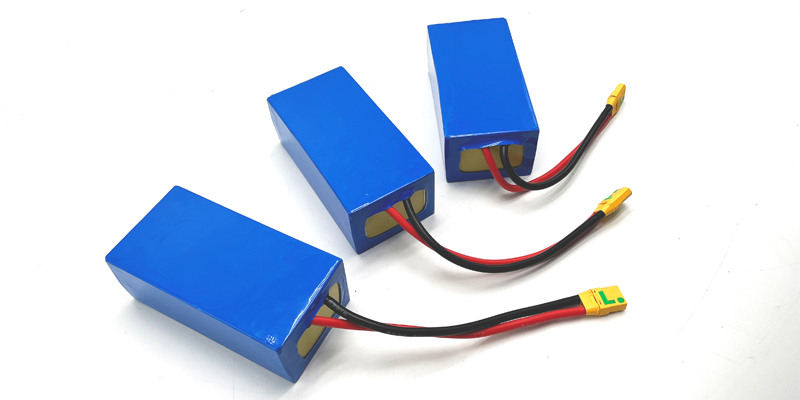
Shenzhen Himax Electronics Co., Ltd., a global leader in customized lithium and NiMH battery solutions, has officially introduced its latest innovation — the 14.8V 18Ah lithium-ion battery pack designed specifically for solar street lighting applications. This new product showcases Himax’s commitment to advancing renewable energy technologies through reliable, efficient, and sustainable energy storage solutions.

As cities and municipalities worldwide continue to invest in smart and energy-efficient infrastructure, solar street lighting has become a cornerstone of modern urban development. The new 14.8V 18Ah lithium-ion battery pack from Himax offers a combination of high energy density, long cycle life, and superior environmental performance, making it an ideal choice for solar-powered lighting systems that require continuous and stable operation under varying environmental conditions.

Meeting the Demands of Modern Solar Lighting Systems

The growing demand for autonomous and maintenance-free solar lighting systems has driven innovation in battery technology. Traditional lead-acid batteries, once dominant in this field, are being rapidly replaced by lithium-ion batteries, which offer higher energy efficiency, lighter weight, and longer lifespan. Himax’s 14.8V 18Ah battery pack is engineered to meet these exact needs.

With a nominal voltage of 14.8V and a capacity of 18Ah, the battery delivers a total energy storage of 266Wh, ensuring long-lasting power supply throughout the night — even during cloudy or rainy days when solar charging is reduced. The pack’s advanced lithium-ion chemistry ensures low self-discharge, excellent thermal stability, and superior charge/discharge efficiency, which translates into enhanced lighting reliability and lower maintenance costs.

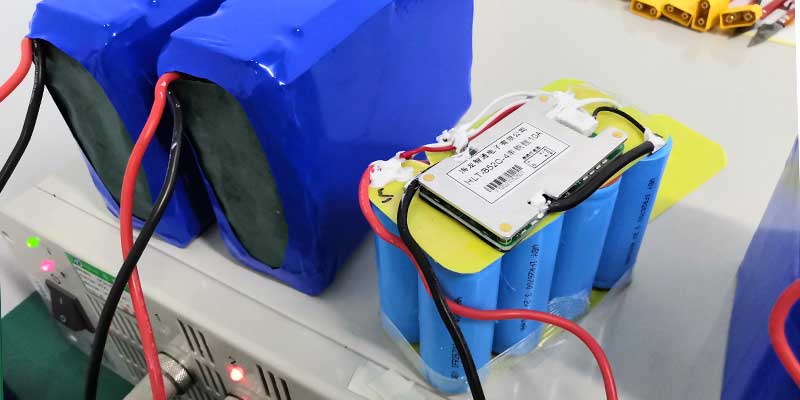
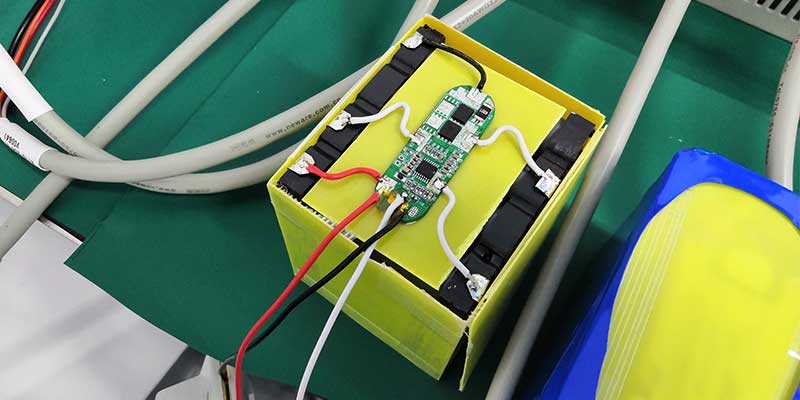
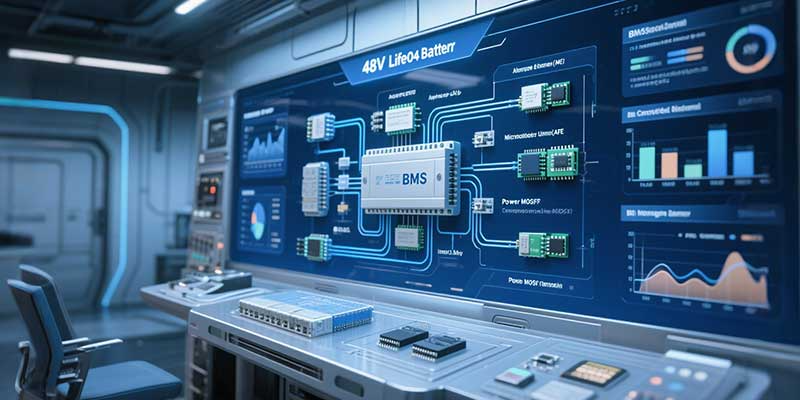
Furthermore, Himax integrates a smart Battery Management System (BMS) into every pack to ensure optimal performance and safety. The BMS provides protection against overcharge, over-discharge, short circuit, and overcurrent, while also balancing the cells to maintain consistent voltage levels across the pack. This design guarantees stable operation, long service life, and reduced risk of failure — even in harsh outdoor environments.

custom lithium battery

Designed for Real-World Applications

Solar street lights are often installed in remote or difficult-to-access locations, such as highways, rural roads, parks, and industrial zones. For these installations, reliability and durability are crucial. Himax’s 14.8V 18Ah battery pack is built with high-strength aluminum or ABS housings and IP65-rated waterproof protection, allowing it to withstand humidity, dust, and temperature fluctuations from -20°C to +60°C.

To further enhance flexibility, the battery pack can be customized according to the customer’s requirements. Himax’s engineering team offers tailored designs for size, shape, and connector type, ensuring seamless integration with various solar street light systems. Whether used for LED street lighting, smart city projects, or off-grid lighting solutions, the Himax 14.8V 18Ah Li-ion battery pack delivers dependable energy performance.

The battery’s lightweight design also reduces installation and maintenance costs. Compared to traditional lead-acid batteries, it weighs nearly 60% less, enabling easier transportation and mounting. This feature is especially valuable for solar street light installers who need to handle large quantities of batteries in remote or elevated areas.

Sustainability and Energy Efficiency

One of the core advantages of Himax’s lithium-ion technology lies in its environmental friendliness. Unlike lead-acid batteries, lithium-ion batteries contain no toxic heavy metals and have a much lower environmental impact during both production and disposal. Himax’s manufacturing processes follow RoHS and REACH environmental standards, and each battery pack undergoes rigorous quality testing before shipment.

In addition to being environmentally conscious, the 14.8V 18Ah battery pack is also highly energy-efficient. Its round-trip efficiency (the ratio of energy output to input) exceeds 95%, meaning more of the solar energy collected during the day is effectively stored and used at night. This leads to lower energy losses and a more sustainable lighting system overall.

Furthermore, Himax’s engineering team continuously works on improving energy density and cycle life. The current 14.8V 18Ah model offers a cycle life exceeding 2000 cycles at 80% depth of discharge, which translates to over 5 years of reliable service in typical outdoor lighting conditions. This longevity significantly reduces replacement frequency and total ownership cost, making it an economically viable choice for large-scale solar lighting projects.

Smart City and IoT Integration

The future of solar street lighting goes beyond illumination — it’s becoming a critical part of smart city ecosystems. Himax recognizes this trend and has designed the 14.8V 18Ah battery pack to be IoT-ready. With optional communication interfaces such as RS485 or CAN bus, the battery can transmit real-time data on voltage, temperature, and state of charge to a central monitoring platform.

This intelligent monitoring capability allows city managers and operators to remotely supervise battery performance, identify maintenance needs, and prevent system failures before they occur. Such functionality enhances efficiency, reduces operational costs, and ensures continuous operation of urban lighting systems.

street-light-battery

Global Market Applications and Customer Confidence

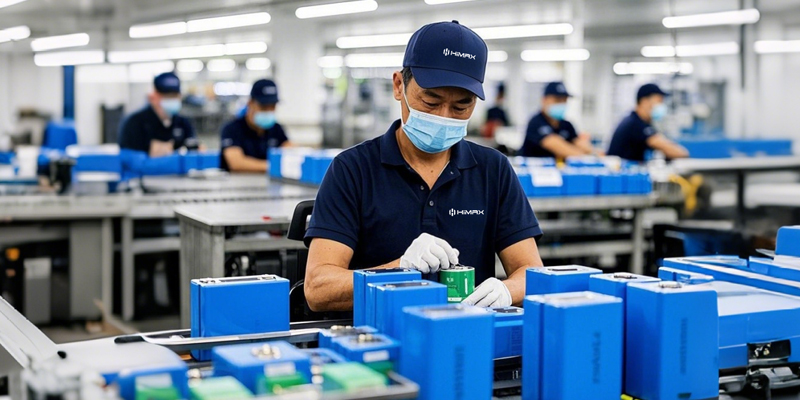
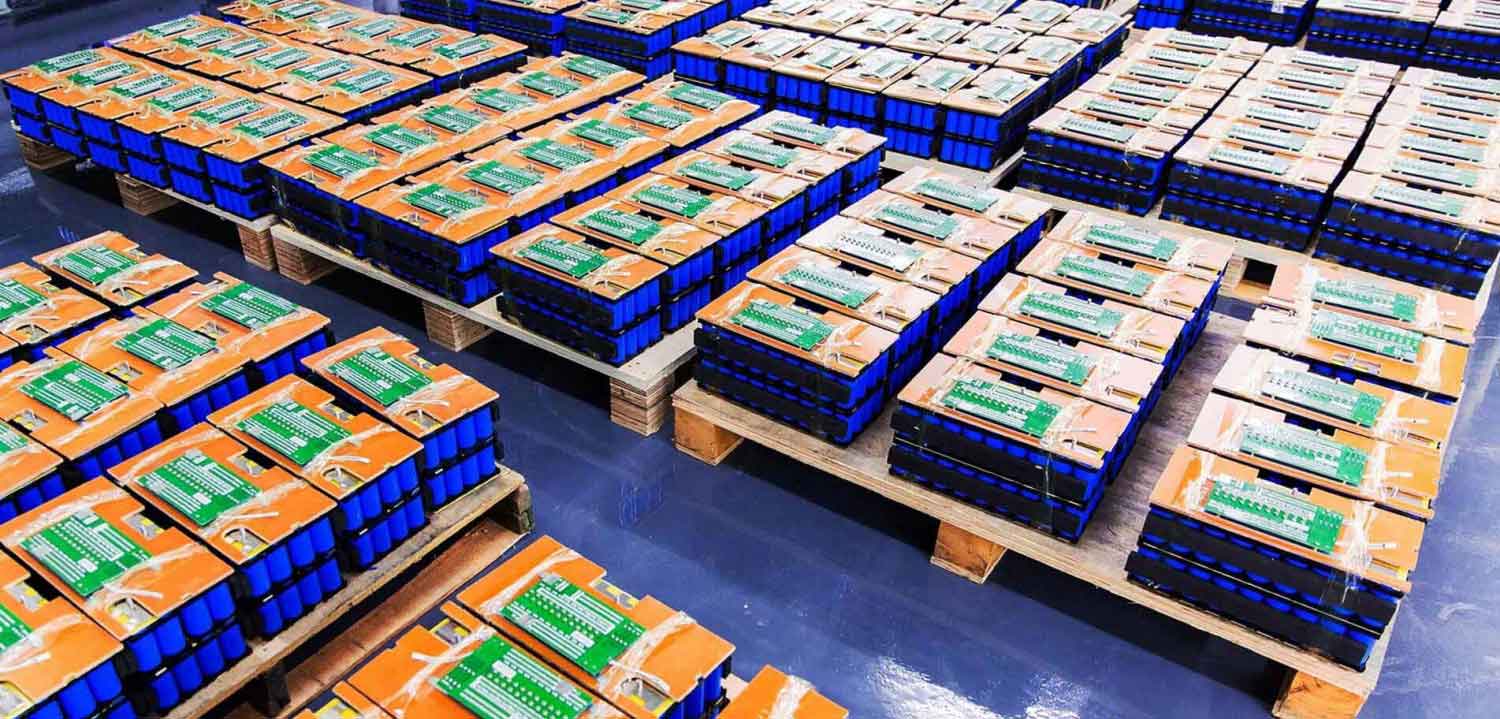
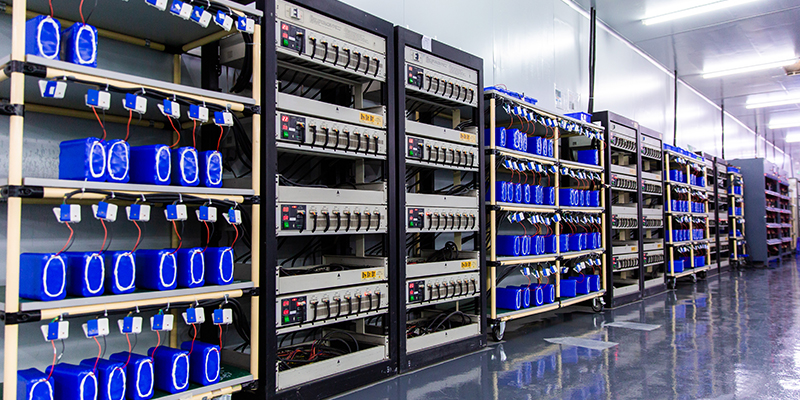
Since its founding, Shenzhen Himax Electronics Co., Ltd. has been serving clients across North America, Europe, and Australia, providing customized lithium and NiMH battery packs for a wide range of applications — from medical devices and industrial tools to energy storage and mobility products. With automated and semi-automated production lines capable of processing over 3 million cells per week, Himax ensures both quality consistency and rapid delivery.

The 14.8V 18Ah lithium-ion battery pack has already attracted interest from system integrators and solar light manufacturers in countries like Germany, Australia, Kenya, and the UAE, where off-grid solar lighting plays a critical role in infrastructure development. Customers value Himax’s engineering flexibility, strict quality control, and responsive technical support, which help accelerate project timelines and improve overall system reliability.

Commitment to Quality and Customer Partnership

Each Himax battery pack is tested under multiple environmental and electrical conditions before leaving the factory. The company maintains ISO9001-certified quality management systems and continuously invests in R&D and innovation to keep pace with evolving energy technologies.

Himax’s philosophy centers on long-term cooperation and mutual growth with its partners. The company’s sales and engineering teams work closely with customers to provide technical guidance, design optimization, and after-sales service throughout the entire project cycle. Whether customers need OEM/ODM customization, certification assistance, or logistical support, Himax delivers end-to-end energy solutions.

Looking Ahead: Powering a Brighter, Sustainable Future

With the introduction of the 14.8V 18Ah lithium-ion battery pack, Shenzhen Himax Electronics Co., Ltd. reaffirms its role as a driving force in the global shift toward clean and sustainable energy. As demand for efficient solar lighting systems continues to grow, Himax remains committed to innovation, quality, and reliability — providing the power that keeps the world illuminated.

Through its combination of technical expertise, manufacturing excellence, and customer-oriented service, Himax continues to help its global partners achieve greener, smarter, and more sustainable energy solutions — one battery at a time.


Himax Electronics, a trusted leader in the customized lithium and NiMH battery industry, has officially announced the release of its 3.7V 500mAh 14500 Li-ion battery pack designed specifically for electric toy cars. With the rapid growth of the global toy vehicle market, energy solutions that balance safety, durability, and performance are becoming increasingly critical. This new battery pack offers consistent power delivery, lightweight design, and superior cycle life, reinforcing Himax’s position as a forward-looking company in energy storage innovation.


Growing Demand for Safe and Reliable Batteries in the Toy Market

Over the past decade, consumer expectations for children’s toys have changed significantly. Parents are now more aware of product safety, environmental impact, and longevity, while children expect high-performance toy cars with speed and endurance. Battery technology is central to meeting these requirements. The traditional NiCd and NiMH batteries, once widely used in toy vehicles, are gradually being replaced by lithium-ion technology due to its higher energy density, lighter weight, and longer service life.


The 14500 cell format, which resembles a standard AA size but with lithium-ion chemistry, has become a preferred solution for compact devices. Himax’s 3.7V 500mAh 14500 pack delivers a reliable energy source without compromising safety, making it an excellent fit for small and medium-sized toy cars that require consistent runtime.


Technical Specifications and Design Advantages

The newly developed Himax 14500 Li-ion battery pack is built with precision engineering and strict quality control. Key specifications include:


Battery Type: Lithium-ion (Li-ion)

Voltage: 3.7V nominal

Capacity: 500mAh

Configuration: 1S1P (single-cell pack)

Standard Dimensions: 14mm diameter × 50mm length (similar to AA cell format)

Applications: Electric toy cars, mini robots, handheld devices


One of the notable advantages of this pack is its lightweight construction compared to NiMH alternatives. With a higher gravimetric energy density, the toy car can run longer on a single charge without increasing its weight. For small-scale toy cars, this means smoother acceleration, longer playtime, and greater enjoyment for children.


Performance and Safety Considerations

While lithium-ion batteries are known for their high energy density, Himax places equal importance on safety. Each 3.7V 500mAh battery pack can be paired with a protection circuit module (PCM) to prevent overcharging, over-discharging, and short circuits. This ensures that even when the battery is used in toys handled by children, the risks are minimized.


In terms of performance, the battery is designed to support continuous discharge currents suitable for small motors used in toy cars. It delivers stable voltage output, ensuring that the toy car runs smoothly without sudden drops in power. This is especially important for remote-controlled cars where stable motor control is key to performance.


Comparison with Traditional Chemistries

Historically, many toy cars operated with NiMH packs in the 7.2V range, but these required multiple cells and added extra weight. By contrast, the 14500 Li-ion cell offers a compact solution for smaller cars that do not need high voltage but prioritize energy efficiency and compactness.


Compared to NiMH batteries of similar size, the Himax 14500 pack provides:


Higher energy density – longer runtime for the same size.

Lower self-discharge rate – retains charge longer when not in use.

Fewer cells needed – simplified design and less wiring complexity.

Extended cycle life – lasting through hundreds of charging cycles.


Applications in Electric Toy Cars

The 3.7V 500mAh 14500 battery pack is particularly suitable for toy cars designed for younger children or compact models that require portability and lightweight construction. Unlike high-performance RC racing cars that demand larger LiPo packs, these battery packs target consumer-grade electric cars that emphasize reliability, ease of charging, and affordability.


Parents benefit from a safer, more environmentally friendly product, while manufacturers gain a dependable battery solution that meets global compliance standards. Himax also offers customized solutions, including connector options, shrink wrapping, and additional protective circuitry, to fit the design needs of toy manufacturers.


Sustainability and Environmental Benefits

Sustainability has become a key factor in the energy storage industry. Li-ion batteries, particularly those designed with recyclable materials and long service life, reduce the frequency of replacements and electronic waste. Himax emphasizes environmentally conscious manufacturing processes and compliance with RoHS and REACH standards, ensuring that its batteries are safe not only for users but also for the planet.


Market Outlook and Himax’s Commitment

The global market for electric toy vehicles is projected to grow steadily, driven by advancements in battery technology. As more parents choose rechargeable battery-powered toys over disposable battery models, demand for reliable lithium solutions will rise. Himax is strategically positioning itself to meet this demand by offering tailored products that meet both safety regulations and customer expectations.


By focusing on innovation, Himax continues to expand its lithium-ion and NiMH product portfolio. With production facilities in Shenzhen and global distribution networks, including warehouses in Melbourne, Australia, the company can supply B2B clients across North America, Europe, and Asia efficiently.

Conclusion

The launch of the 3.7V 500mAh 14500 Li-ion battery pack marks another milestone for Himax in its mission to provide safe, efficient, and innovative energy solutions. Specifically designed for electric toy cars, this product combines performance, reliability, and environmental responsibility, addressing the needs of both toy manufacturers and end users.


As the toy industry continues to evolve, batteries will remain the beating heart of innovation. Himax is proud to contribute to this progress, delivering solutions that empower the next generation of toys while maintaining the company’s core values of quality, safety, and sustainability.

lithium-ion-batteries

In the fast-evolving world of consumer electronics and hobbyist products, the role of batteries often remains underappreciated. Yet, behind every high-performing device lies a reliable power source. Himax, a trusted manufacturer of custom lithium and Ni-MH battery solutions, has been at the forefront of driving innovation in battery technology. One of its most recent highlights, the 7.4V 800mAh lithium-ion battery pack, is specifically designed for remote-controlled (RC) electric toy cars. This battery pack demonstrates how thoughtful design and advanced chemistry combine to deliver enhanced performance, safety, and longer runtime, reshaping the experience for both hobbyists and young enthusiasts.

This article explores why this compact power solution is gaining attention, how it works to improve RC toy cars, and what makes it stand out from alternatives. By understanding the engineering and real-world impact of the 7.4V 800mAh lithium-ion pack, we can appreciate why it is not merely another power source, but a critical enabler of modern play and learning experiences.

Why Power Matters in RC Toy Cars

Remote-controlled cars have always fascinated children and adults alike. The thrill of speed, maneuverability, and realism in miniature vehicles depends not only on motor design or aerodynamics but heavily on the battery system. Traditional batteries often came with a trade-off: limited runtime, frequent replacements, or heavy form factors. Nickel-cadmium (NiCd) and nickel-metal hydride (NiMH) were once dominant, but lithium-ion technology has shifted the landscape with its superior energy density, efficiency, and rechargeability.

The 7.4V 800mAh lithium-ion pack strikes a perfect balance between compact size and sufficient energy capacity. For RC toy cars, this means longer driving sessions, faster acceleration, and reduced downtime, ensuring a more engaging play experience.

How the 7.4V 800mAh Battery Pack Works

The effectiveness of this battery pack comes from a combination of smart configuration and advanced chemistry. Let’s break it down:

  1. Voltage and Cell Structure

The pack is built with two 3.7V lithium-ion cells connected in series (2S1P), producing a nominal voltage of 7.4V.

This voltage aligns perfectly with the motors and electronics typically found in small to medium RC toy cars, offering compatibility and stable performance.

  1. Capacity

With a rated capacity of 800mAh, the pack can supply continuous power for extended operation, depending on the motor’s draw and driving conditions.

This capacity provides a sweet spot: light enough to not burden the toy car’s weight distribution, yet powerful enough for enjoyable runtime.

  1. Discharge Rate

A stable discharge capability ensures consistent performance, avoiding the sudden drops in power that often frustrate users of older battery types.

It supports higher current output bursts when acceleration is required.

  1. Rechargeability

Unlike disposable alkaline batteries, this pack can be recharged hundreds of times, offering a cost-effective and environmentally friendly solution.

  1. Battery Management System (BMS)

Safety is critical. A built-in BMS protects against overcharging, over-discharging, and short circuits, minimizing risks while prolonging lifespan.

Advantages Over Other Battery Chemistries

The 7.4V 800mAh lithium-ion battery pack has several advantages compared to traditional NiMH or disposable options:

Higher Energy Density: More power in a smaller size.

Lightweight: Improves car speed and maneuverability.

Longer Cycle Life: Can last hundreds of recharge cycles.

Fast Charging: Shorter downtime between play sessions.

Stable Voltage: Provides consistent power delivery until near depletion.

These benefits make lithium-ion packs not just a performance upgrade but also an economical and eco-conscious choice.

Why Himax’s 7.4V 800mAh Pack Stands Out

Not all lithium-ion batteries are created equal. Himax’s pack is engineered with several distinguishing features:

Customization: Himax specializes in tailored battery solutions. The 7.4V 800mAh pack can be adapted to specific toy car designs, connectors, or casings.

Strict Quality Control: Each pack undergoes rigorous testing for safety, performance, and durability.

Compact Design: Slim and lightweight form factor ensures compatibility without compromising on car design aesthetics.

Global Availability: With warehouses in key markets such as Melbourne, Himax ensures fast delivery and responsive support.

Sustainability Focus: Himax designs its products with a vision of reducing waste and enabling greener energy use.

Applications Beyond Toy Cars

While the battery pack is ideal for RC toy cars, its usability extends to other compact devices requiring stable 7.4V power:

Remote-controlled boats and drones.

Small robots for STEM education kits.

Handheld instruments or toys requiring lightweight rechargeable power.

This versatility expands the battery pack’s relevance and makes it attractive to manufacturers across industries.

Customer Experience and Market Trends

Parents and hobbyists alike are increasingly seeking toys with longer runtimes, reliability, and eco-friendliness. Disposable batteries are no longer appealing in a market that values sustainability. Moreover, the rise of e-commerce and direct-to-consumer brands has increased the demand for standardized yet high-performance battery solutions.

Himax has received positive feedback from customers who highlight the extended playtime, improved safety, and cost savings achieved with the 7.4V 800mAh lithium-ion pack. These testimonials underscore the battery’s role not just as a technical component but as a real value driver for end users.

custom lithium battery

Challenges and Future Developments

Despite its strengths, lithium-ion technology must continue to address issues such as raw material sourcing and recycling. Himax is actively investing in safer chemistries, advanced BMS designs, and more sustainable production methods to ensure long-term benefits for users and the planet.

Looking ahead, we can expect even higher capacities in compact form factors, faster charging solutions, and integration with smart monitoring systems—features that will further enhance the RC toy car experience.

Conclusion

In conclusion, the 7.4V 800mAh lithium-ion battery pack exemplifies how innovation in energy storage transforms everyday products like remote-controlled toy cars. By offering longer runtimes, stable performance, and enhanced safety, it elevates playtime while setting new industry standards. Beyond toy cars, its versatility ensures broad applicability across various compact devices.

Himax, with its proven expertise in customized lithium and Ni-MH solutions, continues to lead this charge. As the company expands its product line and strengthens its global presence, it reaffirms its commitment to delivering not just batteries, but powerful, reliable, and sustainable energy solutions for modern life.


high-quality-18650-battery-holder-materials

At HIMAX Electronics, we understand that ensuring the maximum efficiency, safety, and lifespan of lithium-ion batteries goes beyond simply using high-quality cells. One critical element in achieving optimal performance is cell balancing. For any system that uses multiple cells, such as electric vehicles (EVs), energy storage systems, and robotics, effective cell balancing is essential to maintain the overall health and performance of the battery pack.


In this article, we will delve into what cell balancing is, why it is necessary, and how it works in lithium-ion batteries, focusing on how HIMAX Electronics employs advanced cell balancing techniques to ensure the longevity and reliability of your battery systems.


What is Cell Balancing?


Cell balancing refers to the process of ensuring that all the cells within a battery pack charge and discharge at the same rate, maintaining uniform voltage levels across all cells. In a multi-cell battery pack, some cells can become more charged or discharged than others, leading to imbalances that can reduce the performance and life of the battery.


When cells are not balanced, some cells may reach their maximum voltage while others remain undercharged. This can cause certain cells to age faster, reducing the overall capacity of the battery pack and leading to potential failure. To prevent this, cell balancing ensures that all cells are kept in balance, ensuring uniform voltage, charge, and discharge across the pack.


Why is Cell Balancing Important?


Maximizes Battery Life

Imbalances in a battery pack can cause certain cells to be overcharged or over-discharged, which leads to degradation. This can significantly shorten the lifespan of the entire battery pack. Cell balancing helps to prevent this by ensuring that no cell is overcharged or deeply discharged, ultimately prolonging the battery’s useful life.


Improves Efficiency

A balanced battery pack operates more efficiently. When all cells in the pack are at similar charge levels, the battery can deliver its full capacity without wasting energy on cells that are underperforming. This ensures that the battery operates at its optimal efficiency, which is critical for high-demand applications like electric vehicles and power tools.


Prevents Safety Hazards

Lithium-ion batteries are highly sensitive to voltage extremes. If a cell is overcharged or over-discharged, it can become unstable, leading to potential safety hazards like thermal runaway, which can cause fires or explosions. Effective cell balancing reduces these risks by keeping the battery pack within safe voltage limits.


Ensures Reliable Performance

In applications where reliability is paramount, such as in medical devices, drones, or uninterruptible power supplies (UPS), having a balanced battery pack ensures that the system performs predictably over time. Cell imbalances can lead to unpredictable behavior, reduced power output, or unexpected shutdowns, especially when one or more cells are undercharged or overcharged.

himax custom battery

How Does Cell Balancing Work?

There are two main types of cell balancing: passive balancing and active balancing. Both methods aim to ensure that all cells in the pack remain within a safe and optimal voltage range, but they work in different ways.


  1. Passive Balancing

Passive balancing is the more traditional and widely used method for balancing battery cells. In this process, excess energy from the more charged cells is dissipated as heat. Essentially, the system “burns off” the excess voltage from the cells that are overcharged to bring them in line with the cells that are undercharged. The energy from the higher-voltage cells is typically dissipated using resistors.


Advantages of Passive Balancing:

Simple design: It’s relatively inexpensive and easy to implement.

Low complexity: Suitable for most applications that don’t require extreme precision.

Disadvantages:

Energy loss: The energy from the higher-voltage cells is wasted as heat, which can result in lower overall efficiency.

Slower balancing process: It’s less efficient than active balancing in terms of speed and energy conservation.


  1. Active Balancing

Active balancing, on the other hand, is a more sophisticated method that redistributes excess energy from higher-voltage cells to lower-voltage ones, rather than dissipating it as heat. This method usually involves specialized circuits that either transfer energy from high-voltage cells to low-voltage ones or store it temporarily to be used later.


Advantages of Active Balancing:

Energy-efficient: Active balancing redistributes energy, reducing waste and improving overall battery efficiency.

Faster and more precise: This method can achieve better cell matching, as it redistributes energy more quickly and evenly.

Long-term cost savings: While active balancing systems can be more expensive initially, their energy efficiency and ability to extend battery life make them cost-effective in the long run.

Disadvantages:

Higher cost: The complexity of active balancing circuits means that it is more expensive than passive balancing.

Complexity: Active balancing requires more sophisticated design and components.


How HIMAX Electronics Ensures Optimal Cell Balancing

At HIMAX Electronics, we understand that the performance, safety, and lifespan of lithium-ion battery packs depend heavily on the proper balancing of cells. To achieve the best results, we use advanced BMS (Battery Management Systems) that incorporate both passive and active cell balancing techniques, tailored to the specific needs of each application.


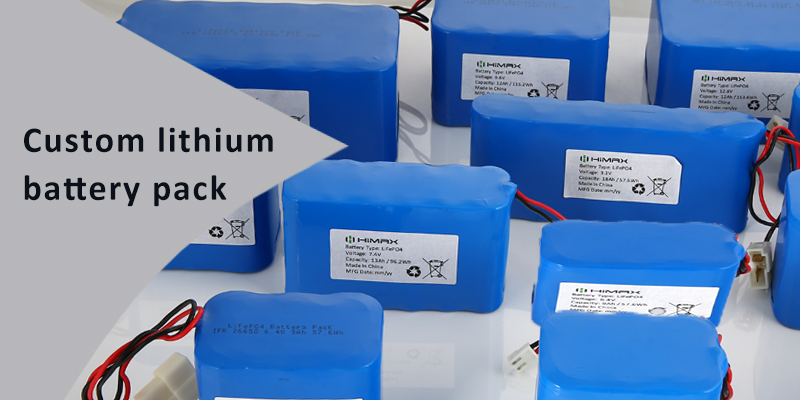
Custom Solutions: We design BMS systems that are specifically tailored to your battery pack’s voltage, current, and power requirements. Our cell balancing solutions are optimized for your application, whether it’s a high-performance electric vehicle, solar energy storage, or industrial robots.
lithium-ion-batteries

Cutting-edge Technology: We use the latest in cell balancing technology to ensure that all cells are kept within safe operating limits. By integrating active balancing systems into high-performance applications, we can ensure that energy is conserved, battery performance is maximized, and the system operates at peak efficiency.


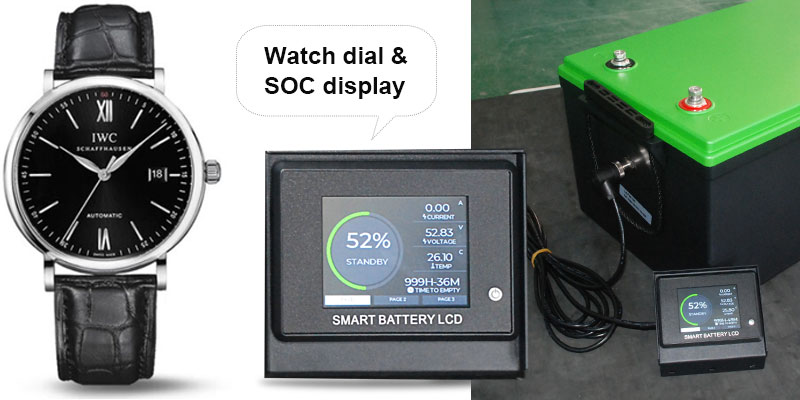
Comprehensive Safety Features: Our BMS systems are designed with safety in mind. By balancing cells effectively, we prevent overcharging and overheating, which can lead to thermal runaway and other safety hazards. We also provide continuous monitoring of cell voltage, temperature, and current to provide real-time diagnostics and alerts.


Applications of Cell Balancing

The importance of cell balancing extends to a wide variety of applications, including:

Electric Vehicles (EVs): In EVs, cell balancing ensures that the battery pack operates efficiently and has a longer lifespan, which is crucial for extending the vehicle’s range and reducing maintenance costs.

Energy Storage Systems (ESS): For large-scale energy storage systems, such as those used in solar or wind power installations, cell balancing is critical for maintaining reliable power output and maximizing energy storage efficiency.

Robotics: In robotics, where reliability and performance are paramount, cell balancing ensures that the battery pack delivers consistent power, helping to prevent unexpected downtime or loss of power.

Power Tools and Consumer Electronics: Many cordless power tools and portable devices rely on balanced battery packs to ensure optimal performance and reliability over time.


Conclusion

Cell balancing is a key process in ensuring the safety, efficiency, and longevity of lithium-ion batteries. At HIMAX Electronics, we incorporate advanced cell balancing technologies into our Battery Management Systems (BMS), ensuring that your battery packs operate safely, efficiently, and reliably. Whether you are designing a high-performance electric vehicle, a solar energy storage system, or a robotics application, we provide tailored solutions to meet your specific energy storage needs.


By ensuring that all cells within a battery pack are balanced, we help extend the life of your batteries, improve their performance, and reduce the risks associated with imbalances. Contact HIMAX Electronics today to learn more about how our cell balancing solutions can help optimize your battery systems.

 

lithium-ion-batteries

Lithium-ion (Li-ion) batteries represent a cornerstone of modern portable power, enabling everything from personal electronics to large-scale energy storage systems. As a leading provider of these advanced power cells, Shenzhen Himax Electronics Co., Ltd. is committed not only to delivering high-quality products but also to educating our customers on best practices. Understanding the fundamental dos and don’ts is not merely a recommendation—it is essential for ensuring the safety, performance, and longevity of your investments.

  1. The Importance of Temperature Management

Temperature is the single most significant factor affecting the health and safety of a Li-ion battery. These cells operate optimally within a moderate temperature range.


Avoid Extreme Heat: Exposing a battery to high temperatures, either from environmental sources (like a hot car) or internal operation (e.g., intensive gaming while charging), accelerates chemical degradation. This leads to permanent loss of capacity and, critically, increases the risk of thermal runaway—a dangerous state where overheating causes a self-sustaining reaction.


Avoid Extreme Cold: Using or charging a battery at very low temperatures can cause irreversible metallic lithium plating on the anode. This damages the cell, reduces its capacity, and can create internal short circuits.


Best Practice: Always use and store devices within the manufacturer’s specified temperature range, typically between 0°C and 45°C (32°F to 113°F) for operation and between 10°C and 25°C (50°F to 77°F) for long-term storage. Ensure adequate ventilation during charging and high-drain activities.


  1. Mastering the Charging Cycle

Modern Li-ion batteries do not suffer from the “memory effect” that plagued older technologies, but their chemistry still requires mindful charging.

Avoid Deep Discharges: Frequently draining a battery to 0% is highly stressful for its internal chemistry. It can weaken the battery’s structure over time.


Ideal Charging Range: For maximum cycle life, it is generally recommended to keep the battery level between 20% and 80% for daily use. Occasional full cycles are acceptable, but constant top-ups within this middle range are far less damaging than repeated deep discharges.


Use the Correct Charger: Always use the charger provided by the device manufacturer or a certified replacement from a reputable supplier like Himax. Incompatible chargers with incorrect voltage or current ratings can cause overcharging, overheating, and severe damage.


  1. Physical Handling and Storage

The physical integrity of a Li-ion cell is paramount to its safe operation.

Prevent Physical Damage: Puncturing, crushing, or bending a battery can compromise the ultra-thin separator between the anode and cathode. This can lead to an immediate internal short circuit, resulting in intense heat, fire, or explosion.


Proper Storage: If a device or battery is to be stored for an extended period, it is best to do so with a charge level of approximately 40-50%. This state minimizes age-related capacity loss while keeping the cell stable. Store in a cool, dry place away from flammable materials.


  1. Understanding the Built-In Protections

High-quality Li-ion batteries, such as those from Shenzhen Himax, incorporate a Battery Management System (BMS). This electronic circuit is a critical safety feature.

What a BMS Does: It monitors the battery’s voltage, current, and temperature. It protects the cell by disconnecting power in the event of overcharging, over-discharging, short circuit, or excessive temperature.


A Partner, Not a Substitute: The BMS is your last line of defense. It is designed to activate in fault conditions to prevent catastrophe. Relying on it to regularly correct poor usage habits (like using a faulty charger) will eventually lead to its failure. Always prioritize safe practices first.


Conclusion: A Partnership in Performance and Safety

At Shenzhen Himax Electronics Co., Ltd., we engineer our lithium-ion batteries to the highest standards of reliability and safety. However, their ultimate performance and lifespan are a shared responsibility. By respecting the chemical nature of these powerful cells—managing their temperature, adopting smart charging habits, preventing physical damage, and understanding their built-in safeguards—you can ensure they deliver safe and reliable power for their entire intended lifespan.

Empowering your technology safely is our top priority. For further technical information, please always refer to the specific user manuals and documentation provided with your Himax Electronics products.


18650-vs-21700-li-ion-cells

The comparison focuses on key battery characteristics: performance, reliability, energy density, cycle life, safety, and price.

Battery Cell Manufacturer Comparison

(18650 & 21700 Li-ion Cylindrical Cells)

Feature / Brand Samsung SDI LG Energy Solution Panasonic / Sanyo Chinese Brands (EVE, Lishen, BAK, etc.)
Cell Types 18650, 21700 18650, 21700 18650, 21700 18650, 21700, 26700, custom
Energy Density (Wh/kg) 250–270 240–260 260–280, highest 200–250 average
Cycle Life

(0.5C–1C)

800–1200 800–1000 1000–1500 500–800

(varies by brand)

Max Discharge Rate 5C–15C

(some power cells 30C burst)

3C–10C 3C–10C 2C–10C

(some high-power cells 15C)

Consistency ★★★★☆ (High)

(±1–2%)

★★★★☆ (High)

(±1–2%)

★★★★★

(Excellent)

(±1% or better)

★★☆☆☆

(varies greatly)

(±3–8%typical)

Charge Temperature Toerance 0°C to 45°C 0°C to 45°C 0°C to 50°C 0°C to 45°C
Discharge Temperature Tolerance –20°C to 60°C –20°C to 60°C –30°C to 60°C –10°C to 55°C typical
Self-Discharge <2%/month <2%/month <1.5%/month 2–5%/month (more variation)
Safety / QC ★★★★☆ (strong BMS and test history) ★★★★☆ ★★★★★

(Tesla supplier level QC)

★★☆☆☆ (some lack full QC)
Availability Global, broad range Global, broad range Limited for public, OEM focused Widely available (Alibaba, etc.)
Typical Use Cases Power tools, EV packs, e-bikes E-bikes, energy storage EVs (Tesla), industrial applications Flashlights, scooters, budget power banks

Himax - 14.8v-2500mAh 18650 battery pack

Performance Summary by Format

Brand Best 18650 Model Best 21700 Model
Samsung SDI INR18650-30Q (3000mAh, 15A) INR21700-50E (5000mAh, 9.8A)
LG Energy INR18650-MJ1 (3500mAh, 10A) INR21700-M50LT (5000mAh, 7.3A)
Panasonic NCR18650GA (3450mAh, 10A) NCR21700A (5000mAh, 10A)
Chinese Brands BAK N18650CK (2600mAh, 5C) EVE INR21700/50V (5000mAh, 10A)

Pros & Cons Overview

Brand Pros Cons
Samsung High energy density, reliable, widely used, good balance Can be costly, some fakes on market
LG Strong performance, efficient cells, trusted OEM Some heat sensitivity on older models
Panasonic Most stable and long-life, best QC (used by Tesla) Price premium, less accessible
Chinese Brands Cheap, good for mass deployment, wide range Less consistency, shorter lifespan, more fakes and spec inflation

Panasonic-18650-B

Notes:

Chinese manufacturers are improving rapidly (EVE, Lishen, REPT, CALB, etc.) and some high-end cells now rival Korean/Japanese brands.

Fakes are common, especially for Samsung/LG/Panasonic 18650 cells sold through unofficial channels.

Always verify with datasheets and request MSDS + test reports when sourcing.


Have you ever felt frustrated because a standard battery just doesn’t fit your device, fails too quickly, or doesn’t meet safety expectations? You’re not alone. Countless engineers and product teams grapple with the same issues. Custom lithium battery design isn’t just “pick a capacity and ship it”—it’s a collaborative process to craft a solution that fits your application perfectly, safely, and reliably. To demystify this journey, this guide breaks down every stage, from initial consultation to small-batch delivery, so you’ll know exactly what to expect at each step.

1. Project Consultation & Feasibility

First, we start with a conversation: Our team listens closely to your application requirements—voltage, current peaks, operating environment, temperature ranges, run-time needs, and safety standards.
Next comes the feasibility evaluation: We assess whether lithium-ion chemistry is viable for your use case, suggesting options like LFP or NMC. We’ll also share a rough timeline and cost estimate early on, so you have a clear sense of what’s possible from the start.

2. Pulling Together the Requirement Form

Once we’ve aligned on the basics, it’s time to turn ideas into concrete parameters: We guide you through a concise form to capture technical details—preferred BMS communication (CANbus, UART, RS-232), connector types, capacity range, and mechanical dimensions.
Why does this matter? This structured document ensures no details slip through the cracks, letting us move from vague concepts to clear engineering specs efficiently.

3. Draft Plan & Estimated Delivery Schedule

With your requirements in hand, we share a preliminary project outline: This includes 3D renderings, wiring diagrams, and a tentative production timeline (typically 12–15 weeks).
Your role here? Review the plan and confirm that the model, specs, and delivery window align with your expectations.

4. Technical Specification & 3D Design Phase

Once the draft plan is confirmed, we shift to visualizing your battery early: You’ll receive a detailed spec pack featuring a 3D model, wiring diagram, BOM lists, thermal layout, and housing design.
Collaboration is key here: We identify potential conflicts upfront (e.g., connector clearance issues, heat dissipation needs) and iterate until the design “clicks.”

5. Prototype (NPI) Production & Testing

After finalizing the design, we move to prototype production—starting with rigorous cell matching: Individual cells are sorted by voltage (±5 mV), internal resistance (±15 mΩ), and capacity (±5 mAh) to ensure consistency and safety.
Next, we run a full test regime: This includes cycle life testing (≥ 100 cycles), short-circuit checks, overcharge/over-discharge protection verification, thermal management tests, and UN38.3 compliance verification.
We also focus on industry-grade BMS debugging: Validating communication stability (CANbus/UART/RS-232), overvoltage/undervoltage protection, and temperature fault triggers.

6. Feedback & Iteration

Once testing wraps up, we share a detailed report—and invite your feedback for minor adjustments. For example, if voltage sag exceeds expectations or casing geometry needs tweaks, we’ll fine-tune the design promptly.
The goal? Fast resolutions that keep your project momentum intact.

7. Finalization & Production Preparation

After iterations, we formalize standardized documentation: This includes all technical specs, test procedures, assembly instructions, and packaging guidelines.
We also lock in quality control protocols: These cover cell matching, insulation testing, thermal runaway protection, and leakage inspection.
Additionally, we handle logistics & compliance: From packaging design (IP 67/68) to UN38.3 shipping certification and import/export documentation, we’ve got you covered.

8. Small-Batch Delivery

Finally, we ensure careful packaging: Anti-static wrap, shock-absorbent inserts, and robust outer cases guarantee your batteries arrive safely.
You’ll stay in the loop with delivery confirmations: We notify you at every milestone—shipped, in transit, customs cleared, delivered.
And our support doesn’t end there: Post-shipment, we’re available for performance monitoring, firmware updates, or lifecycle testing—whatever keeps your project on track.

Custom lithium battery to Help You Kickstart the Project

To streamline your start, we’ve prepared key resources:


✅ A downloadable Project Requirement Form to quickly fill in your specs
✅ A BMS Communication Matrix to identify which protocol suits your device
✅ A Prototype Test Report Template to clarify what we test and how we measure results
(Download links or CTAs can be inserted here)

Our Customer Cases

For example, one of our medical equipment clients needed a slim, high-capacity battery for long-duration operation. Their off-the-shelf options failed to fit the enclosure, and performance lagged.


Here’s how we solved it:
Through video consultations and rapid iterations, we converged on a viable design in just 5 weeks.
From first communication to small-batch delivery, the entire project took 12 weeks—with zero rework.


The client reported smoother integration and reliable long-term performance—exactly the outcome they needed.

Conclusion & Next Steps

In summary, building a custom lithium battery doesn’t have to be a mystery. With clear milestones, expert support, and transparent communication, you can feel confident at every phase. At Himax, we deliver more than batteries—we deliver certainty.


Ready to start?
  • Upload your specs for a complimentary feasibility review
  • Download our requirement form
  • Contact Himax Battery for a personalized consultation


Let’s build the exact battery your product deserves.

In the rapidly evolving world of astronomical technology, precision, portability, and endurance are key. One company making significant strides in supporting this advancement is Himax Electronics, a leading battery manufacturer known for innovative energy solutions. Their latest product, an 11.1V 6Ah lithium-ion (Li-ion) battery, is proving to be a game-changer for smart telescope systems. This powerful and compact battery is designed to supply consistent energy to display screens and sensors, delivering up to six hours of operation on a single charge.

As the demand for smart telescopes rises among both amateur astronomers and professional researchers, the need for efficient power sources grows. Traditional power setups often involve cumbersome cabling or frequent battery replacements, making stargazing a less seamless experience. Himax identified this challenge early and engineered a high-capacity, compact battery specifically designed to meet the needs of modern smart telescopes.

Why Smart Telescopes Require Specialized Power Solutions

Smart telescopes integrate digital displays, GPS modules, tracking systems, and advanced imaging sensors, all of which require a stable and high-performing power supply. These components must run simultaneously and continuously, particularly during long observation sessions. A typical night of stargazing might last several hours, making battery longevity crucial.

The Himax 11.1V 6Ah Li-ion battery offers a tailored solution to these requirements. With its 6Ah capacity, the battery can reliably power a telescope’s display screen and sensor array for approximately six hours. This eliminates the constant need for recharging or swapping out batteries, enabling uninterrupted sessions of sky exploration.

Custom_18650_Lithium_Batteries

Technical Highlights of the Himax Battery

What sets Himax’s battery apart is not just its capacity but its overall performance and durability. Key features include:

High Energy Density: The compact size does not compromise performance. The 11.1V 6Ah configuration ensures a high energy output without adding unnecessary bulk.

Stable Voltage Output: Essential for delicate instruments like sensors and screens, the battery delivers consistent voltage throughout the usage cycle.

Built-in Protection Circuit: The battery includes over-charge, over-discharge, over-current, and short circuit protection, ensuring both user safety and device longevity.

Rechargeable Convenience: The battery can be recharged multiple times without significant capacity loss, making it environmentally and economically beneficial.

These technical advantages make the Himax battery ideal not just for smart telescopes but also for other portable electronic applications where reliability and safety are paramount.

User Experience and Real-World Applications

Feedback from astronomers and field testers has been overwhelmingly positive. Users note the ease of integrating the Himax battery into their telescope systems. With minimal setup, users can mount the battery securely and begin long observation sessions without concern.

One early adopter, a hobbyist astronomer based in Australia, shared his experience: “With the Himax battery, I can take my telescope out into the field without worrying about power. It’s compact, lasts the whole night, and keeps everything running smoothly.”

The battery is particularly useful for remote observations where access to electricity is limited. Whether on a mountaintop, desert plateau, or rural backroad, Himax’s solution ensures that astronomers can focus on the stars rather than the status of their power supply.

Why Himax is Leading in Lithium-ion Innovation

Himax Electronics has built a reputation for precision-engineered energy solutions tailored to the demands of today’s high-tech equipment. With over 13 years in battery development, Himax combines deep technical expertise with a keen understanding of real-world use cases.

The company has consistently emphasized quality control, with automated production lines and rigorous testing protocols to ensure that each battery meets international safety and performance standards. Their 11.1V 6Ah battery is no exception, offering users a dependable and long-lasting energy source that exceeds expectations.

Future Outlook: Expanding Possibilities in Portable Power

Looking ahead, Himax plans to expand its smart telescope battery line to include higher capacities and enhanced smart BMS (Battery Management System) features. These innovations will allow for real-time battery health monitoring and improved thermal regulation, further extending usability and safety.

Moreover, as smart telescopes become more common in educational settings and citizen science projects, Himax is poised to be a major player in delivering reliable energy to support learning and exploration.

Conclusion

In an era where space exploration is no longer limited to large institutions, smart telescopes are opening the skies to all. However, this advancement hinges on reliable power sources, and that’s where Himax Electronics comes in. Their 11.1V 6Ah Li-ion battery is more than a product – it’s a solution designed with foresight, precision, and passion for science.

By offering a battery that ensures up to six hours of stable power for displays and sensors, Himax is helping astronomers, educators, and explorers around the world make the most of every star-filled night. With innovation and reliability at its core, Himax continues to shine as a guiding light in the world of battery technology.

In the rapidly evolving world of astronomical technology, precision, portability, and endurance are key. One company making significant strides in supporting this advancement is Himax Electronics, a leading battery manufacturer known for innovative energy solutions. Their latest product, an 11.1V 6Ah lithium-ion (Li-ion) battery, is proving to be a game-changer for smart telescope systems. This powerful and compact battery is designed to supply consistent energy to display screens and sensors, delivering up to six hours of operation on a single charge.

As the demand for smart telescopes rises among both amateur astronomers and professional researchers, the need for efficient power sources grows. Traditional power setups often involve cumbersome cabling or frequent battery replacements, making stargazing a less seamless experience. Himax identified this challenge early and engineered a high-capacity, compact battery specifically designed to meet the needs of modern smart telescopes.

Himax Lithium Ion 24V Batery

In the world of underwater technology, having a reliable, durable, and safe power source is non-negotiable. HIMAX ELECTRONICS, a professional rechargeable battery manufacturer with over 12 years of experience, provides advanced Li-ion and LiFePO4 batteries solutions tailored for underwater devices such as underwater lighting systems, communication and navigation equipment, smart dive computers, and diver propulsion vehicles (DPVs).

Whether diving deep into the ocean for exploration or working in marine industrial applications, HIMAX’s batteries are engineered to perform under pressure — literally. This blog explores our Li-ion and LiFePO4 batteries, their applications, advantages, and why HIMAX is the trusted battery factory for global underwater electronics brands.

Why Battery Performance Matters in Underwater Applications

The Challenge of the Deep

Underwater environments pose unique challenges: high pressure, variable temperatures, and complete isolation from traditional power sources. Batteries must not only be powerful and compact but also resistant to water ingress and corrosion.

Applications of Underwater Power Systems

Underwater Lighting Equipment: Requires consistent, high-output energy for extended visibility.

Underwater Communication and Navigation Equipment: Demands reliable power for signal clarity and GPS tracking.

Smart Dive Computers: Needs compact, rechargeable batteries with long runtimes.

Diver Propulsion Vehicles (DPV): Requires high-capacity, high-discharge batteries for motorized operation.

best-lifepo4-solar-battery

HIMAX Battery Solutions for Underwater Equipment

Overview of Key Battery Models

Battery Type Nominal Voltage Capacity Range Typical Application
LiFePO4 3.2V 6000mAh 3.2V 6000mAh Compact sensors, lighting modules
LiFePO4 3.2V 5000mAh 3.2V 5000mAh Buoy communication, small DPVs
LiFePO4 24V/48V 24V / 48V 20Ah to 100Ah High-power propulsion systems, industrial marine use
Li-ion 12V 5~10Ah 12V 5000–10000mAh Underwater lights, dive computers
LiFePO4 12.8V 6Ah 12.8V 6000mAh GPS devices, sonar systems

Why Choose HIMAX Batteries?

1. Waterproof Performance (IP67 Rated)

All HIMAX batteries used in underwater environments are manufactured with IP67 waterproof sealing, ensuring resistance to water ingress up to 1 meter for 30 minutes.

2. High Safety Standards

Our LiFePO4 (Lithium Iron Phosphate) cells offer superior thermal and chemical stability, making them extremely safe — even in extreme underwater conditions.

3. Customizable Dimensions

As a battery factory, we offer flexible designs tailored to your enclosure needs — from cylindrical packs for handheld dive computers to large-scale blocks for propulsion units.

4. High Cycle Life

LiFePO4 batteries from HIMAX typically exceed 2000 cycles, ensuring long-term reliability and reduced replacement frequency.

5. High Energy Density and Lightweight Design

Our Li-ion battery packs (12V 5Ah~10Ah) combine portability and power — essential for divers and compact underwater robots.

6. Sustainable & Eco-Friendly

HIMAX supports environmental responsibility by offering rechargeable, recyclable battery solutions that reduce electronic waste.

HIMAX’s Manufacturing Advantage

As a professional battery manufacturer, HIMAX operates its own production facilities equipped with:

  • Fully automated spot-welding machines
  • Precision battery aging and capacity grading equipment
  • Rigorous quality control systems

This integrated setup enables us to control every step of the production process — from cell selection to final testing — ensuring top-tier product consistency and performance.

Case Study: Powering a DPV System

A global diving brand recently partnered with HIMAX to design a LiFePO4 48V 50Ah power source for their DPV unit. This battery pack offers:

  • Peak discharge of 100A
  • IP67 waterproof aluminum casing
  • Smart BMS (Battery Management System)integration
  • Over 2500 charge cycles

The result: longer underwater travel time, better stability, and higher diver confidence.

Battery Selection Tips for Underwater Equipment

When choosing a battery for underwater use, consider:

  • Voltage and capacity needs(match motor/sensor demands)
  • Discharge rate(especially for propulsion or high-beam lights)
  • Form factor and size(fit within sealed casings)
  • Certifications(e.g., CE, UN38.3, MSDS for international transport)
  • Operating temperature range(consider cold water diving)

Our engineering team at HIMAX offers one-on-one support to customize the perfect power solution for your underwater projects.

Rechargeable lifepo4 battery

Conclusion

Underwater equipment demands exceptional power solutions — and HIMAX delivers just that. With decades of experience, robust manufacturing capabilities, and a portfolio of Li-ion and LiFePO4 battery solutions, we support diving, marine, and research industries around the world.

Whether you’re developing a next-gen dive computer or a heavy-duty underwater drone, HIMAX is your trusted battery factory partner.

Need a custom battery for your underwater product? Contact HIMAX ELECTRONICS for a quote or engineering consultation.


7.4V lithium 18650 battery

Reliable Li-ion Battery Solutions for Portable Food Appliances

As modern lifestyles increasingly demand convenience and mobility, portable electric food processing devices like electric lunch boxes, portable electric pots, travel steam irons, and electric heating cups have become household essentials. At the heart of these compact appliances lies a powerful and reliable energy source — the 7.4V lithium-ion batteries.

With over 12 years of expertise as a rechargeable battery manufacturer, HIMAX ELECTRONICS specializes in producing high-capacity lithium-ion batteries that are perfectly suited for the unique power needs of these devices. As a battery factory with a strong R&D and production foundation, we deliver cost-effective, factory-direct pricing and customizable battery solutions to meet diverse client requirements worldwide.

Why 7.4V Lithium-ion Batteries are Ideal for Portable Food Devices

1. Compact Size & Lightweight Design

Our 7.4V batteries are engineered with portability in mind — making them ideal for handheld or travel-friendly appliances. With reduced size and minimal weight, these batteries do not compromise the ergonomics or aesthetics of devices such as:

  • Electric heating lunch boxes
  • Portable water boilers
  • Mini travel steamers
  • Heated travel mugs

2. High Energy Density = Longer Working Time

With capacities ranging from 8Ah to 13Ah, our 7.4V lithium-ion batteries can power food appliances for extended hours without frequent recharging — a key advantage for travelers, office workers, or outdoor users.

3. Rechargeable and Environmentally Friendly

Unlike disposable batteries, lithium-ion packs are rechargeable for 500+ cycles, reducing electronic waste and offering a cost-effective long-term solution for OEMs and consumers.

4. Safety and Stability

Our batteries include customized BMS (Battery Management System) that ensures safety features such as:

  • Over-charge protection
  • Over-discharge protection
  • Short circuit protection
  • Thermal stability

This makes them safe to use in food-related appliances even in enclosed or high-temperature conditions.

5. Customization and OEM Capability

We provide OEM/ODM services tailored to client-specific product dimensions, connectors, discharge rates, and certifications (UN38.3, MSDS, CE, UL on request).

electric-lunch-box-battery

Product Comparison Table – 7.4V Lithium-ion Batteries

Model Nominal Voltage Capacity (Ah) Max Discharge Current Dimensions (mm) Weight (g) Typical Applications
7.4V 8Ah Battery 7.4V 8Ah 8A 70x40x30 ~350g Electric Lunch Box, Heating Cup
7.4V 10Ah Battery 7.4V 10Ah 10A 75x45x35 ~420g Portable Pot, Heated Mug, Steam Iron
7.4V 13Ah Battery 7.4V 13Ah 13A 80x50x40 ~490g Portable Blanket, High-Power Devices

HIMAX ELECTRONICS – Your Trusted Battery Manufacturer

As an ISO-certified battery manufacturer based in China, HIMAX ELECTRONICS has served global customers for more than a decade, especially in the portable home appliance and consumer electronics sectors. Our dedicated factory, complete with automated welding machines, aging equipment, and advanced test lines, ensures strict quality control and fast lead times.

We are proud to:

  • Be thelong-term battery supplier for a leading electric lunch box brand LunchEAZE.
  • Offer bulk production capabilityfor high-volume orders.
  • Deliver competitive pricesthanks to our direct factory model.
  • Provide full technical supportfrom design to delivery.

Application Highlights

✅ Electric Lunch Box:

Continuous heating for 2–4 hours

Compact fit inside inner housing

Safe operation with food-grade materials


✅ Portable Electric Pot:

High current output to boil small quantities quickly

Reliable performance even during outdoor use


✅ Electric Heating Cup:

Warm beverages on-the-go

BMS ensures safe internal heating


✅ Travel Steam Iron:

Instant heating capability

Lightweight, doesn’t add to luggage burden


✅ Portable Electric Blanket:

Extended warmth for 6–8 hours

Especially ideal for camping or long drives

ICR 7.4V 8Ah Lithium Ion Battery Pack

Choose the Right Battery Partner – Choose HIMAX

Whether you’re a device brand, appliance manufacturer, or OEM project developer, HIMAX ELECTRONICS delivers reliable, affordable, and scalable battery solutions. With a wide range of custom 7.4V lithium-ion battery packs and a decade-long track record, we are the go-to partner for your food processing equipment power needs.

Ready to upgrade your product’s battery performance?

Contact HIMAX ELECTRONICS for datasheets, samples, and quotations.