The Ultimate Guide to Powering Demanding IoT Devices in 2026
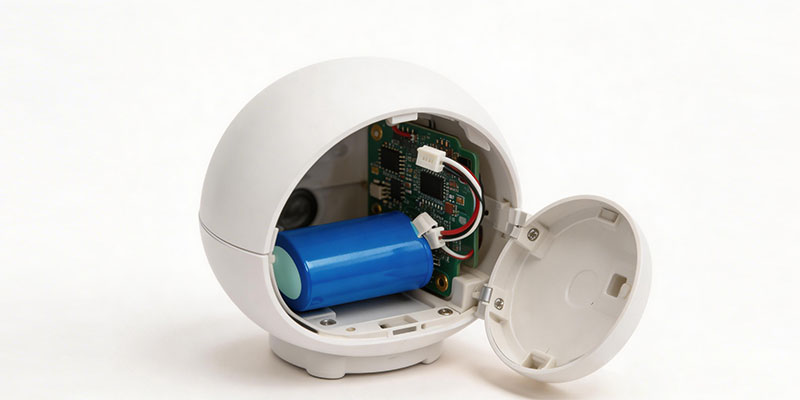
As we push further into 2026, the Internet of Things is no longer about simple, low-power sensors sending tiny data packets. Today’s IoT landscape is defined by sophisticated edge computing, high-bandwidth cellular transmissions, and complex sensor arrays. These devices demand more from their power sources than ever before. For over 12 years, I’ve specialized in designing custom Li-ion packs for these exact challenges. My name is Alden, and I’m a Battery Systems Engineer here at Himax Electronics. In my experience, one of the most common failure points I see in otherwise brilliant IoT projects is an under-specified power source. That’s why I’m excited to share my insights on a solution that is quickly becoming the new standard for reliability and performance: the high-discharge 3.7V 6000mAh Li-ion battery pack.
Understanding Power Demands in Modern IoT Devices
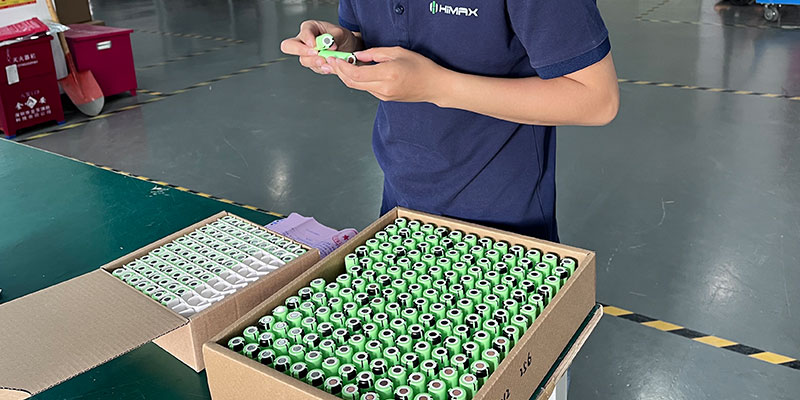
The days of a simple, steady power draw are over for most serious IoT applications. A modern industrial IoT sensor or remote gateway has a highly dynamic power profile. It might idle at a few microamps for hours, then suddenly demand several amps for a few hundred milliseconds. This “bursty” behavior is the new normal.
A common mistake I see engineers make is designing for the average current draw, not the peak. This leads to catastrophic field failures. When a device needs to power up a 4G/5G modem, actuate a motor, or fire up multiple sensors simultaneously, the battery’s voltage can plummet if it can’t handle the sudden load. This “voltage sag” or “brownout” can cause the device’s microcontroller to reset, corrupting data and leading to a spiral of failed connection attempts that drains the battery completely. A robust IoT battery must be able to handle these peaks without faltering.
Why 3.7V 6000mAh with 18A Discharge Stands Out for IoT
At Himax, we’ve focused on creating a power solution that directly addresses these modern challenges. Our 3.7V IoT battery pack is built to provide both endurance and power, serving as a reliable power solution for edge IoT devices. Let’s break down what makes this configuration so effective.
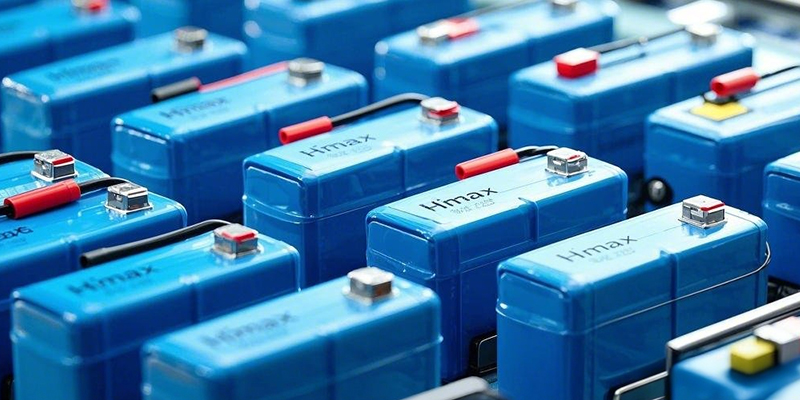
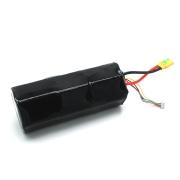
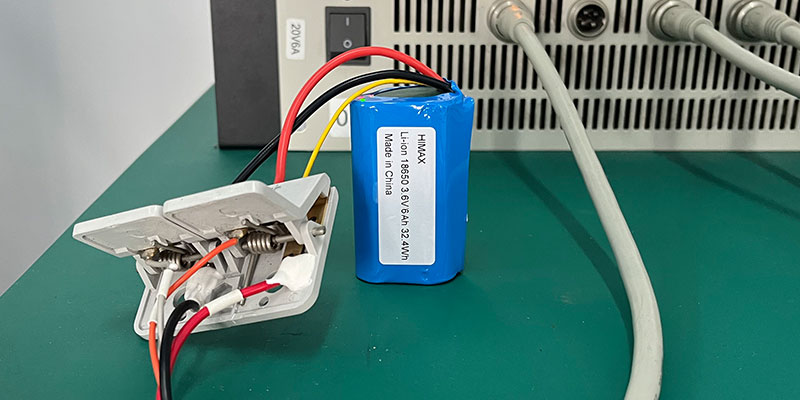
Here’s what makes our Himax IoT battery, a 1S2P 18650 battery for IoT, a game-changer:
- High Capacity (6000mAh): Built with two premium 3000mAh 18650 cells in a 1S2P configuration, this pack offers a substantial 6Ah of energy. This high capacity is essential for achieving a long operational life in remote or solar-powered IoT deployments, minimizing the need for costly and frequent replacements. It’s the foundation of a low total cost of ownership.
- Massive Discharge Capability (18A): This is the crucial spec. A continuous discharge rating of 18A means the battery can effortlessly handle the intense power spikes from LoRaWAN, NB-IoT, or 5G transmissions. This prevents voltage sag, ensuring your device remains stable and operational during its most critical tasks. This is a true high discharge IoT battery.
- Ultra-Compact Form Factor: Space is always at a premium inside an IoT enclosure. With dimensions of just 38 × 25 × 70 mm, this rectangular pack is incredibly dense. It allows you to design smaller, more discreet devices without sacrificing power, a key advantage for asset trackers and compact industrial sensors.
- Industrial-Grade Reliability: We designed this 3.7V 6000mAh 18650 pack for the real world. Paired with a properly designed Battery Management System (BMS), it offers excellent thermal stability and a long cycle life, operating reliably in harsh environments typically ranging from -20°C to 60°C.
Real-World IoT Applications Where This Pack Excels
The combination of high capacity and high discharge in this Li-ion battery for IoT devices makes it incredibly versatile. Here are a few applications where I’ve seen this type of pack deliver exceptional results:
Smart Agriculture Sensors: A soil moisture and nutrient sensor array might take readings every hour, but once a day it needs to transmit a large data log over a cellular network. That transmission burst requires a high discharge IoT battery to ensure the data gets through, while the 6000mAh capacity allows it to last for an entire growing season. This is a perfect use case for a high capacity battery for remote monitoring.
Industrial Asset Tracking & Cold Chain: A tracker on a shipping container needs to survive for months while providing periodic GPS/cellular location updates. When moving through areas with poor signal, the modem boosts its power, drawing significant current. An 18A continuous discharge battery ensures the tracker doesn’t fail when it’s needed most.
Remote Environmental Monitoring: Consider a solar-powered gateway in a remote forest monitoring for fire risk. The system charges during the day and runs on its 3.7V 6Ah battery for IoT at night, powering sensors and a satellite modem. The battery’s ability to handle high peak currents is critical for reliable data transmission, no matter the conditions.
Engineering Tips: Integrating High-Discharge Packs Without Over-Engineering
From my experience as Alden, a Battery Systems Engineer, I believe a great battery is only half the solution. Proper integration is key. Here’s what to look for when incorporating a high-performance 3.7V IoT battery pack into your design:
- Don’t Skimp on the BMS: The Battery Management System is the brain of your power system. For a high-discharge pack, ensure your BMS provides accurate cell balancing, over-current protection that aligns with the 18A peak, and under-voltage/over-voltage cutoffs to maximize cycle life.
- Consider Your Connectors: A common point of failure is a connector that isn’t rated for the peak current. An 18A pulse will generate heat and voltage drop across a flimsy connector. Use connectors with an appropriate current rating to ensure all that power makes it to your device.
- Thermal Management is Your Friend: While our 18650 cells are incredibly stable, all batteries generate heat under load. In a tight, sealed enclosure, ensure there’s a thermal pathway for this heat to dissipate. Even a small piece of thermally conductive material can make a huge difference in long-term reliability.
Looking Ahead — The Role of Reliable Batteries in Scaling IoT Deployments
Looking ahead, as Alden at Himax Electronics, I see the reliability of each node becoming exponentially more important. The difference between a pilot project and a global deployment of a million devices often comes down to Total Cost of Ownership (TCO). A robust, reliable, and correctly specified IoT battery is the single most effective way to reduce TCO. It means fewer truck rolls for replacements, less downtime, and a more trustworthy brand reputation. Choosing a powerful and durable power source like a custom 3.7V battery pack for IoT OEM is not an expense; it’s an investment in the scalability and success of your entire platform.
At Himax Electronics, we’ve built our reputation on being a trusted partner for dozens of IoT brands. See our full IoT battery portfolio. If you’re building IoT sensors, gateways, or industrial edge devices and need a dependable 3.7V high-discharge battery partner, reach out to Himax Electronics today. Let’s discuss your project requirements and custom options.
Author: Alden, Battery Engineer – –Manufacturing & Quality Control
Published: March 24th, 2026
More information about Li-ion batteries:
Why Lithium-Ion Batteries Must Be Charged Using the CC/CV Method
Why Maximum Continuous Discharge Current is Critical for Your Battery Selection