Himax Electronics Battery News

solar-battery

Introduction

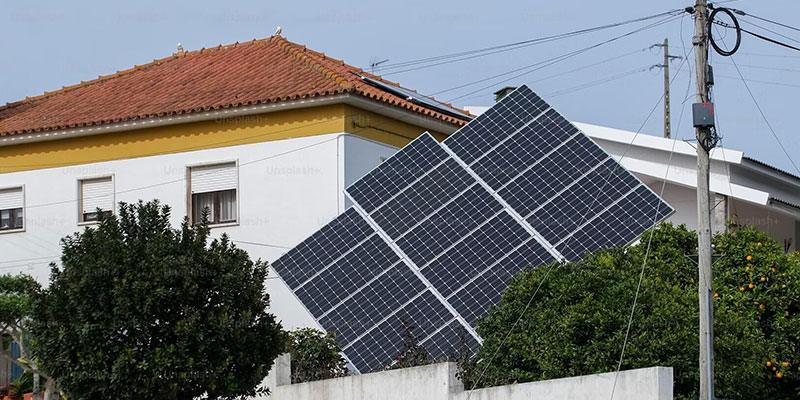
In the evolving landscape of modern energy solutions, energy storage systems (ESS) have emerged as a critical component in enhancing efficiency and integrating renewable resources effectively. These systems are particularly pivotal in managing the variability of solar power, enabling a steady and reliable energy supply despite the inherent intermittency of solar resources. Proper configuration of photovoltaic (PV) panels is essential to meet specific energy storage capacities and daily load demands. This guide explores the nuanced considerations necessary for determining the optimal PV panel setup tailored to both the storage capacity and the energy consumption patterns of various applications.

Fundamentals of Energy Storage Systems

Energy storage systems are instrumental in bridging the gap between energy production and consumption. By storing excess energy during periods of low demand and high production, such as sunny midday hours, and releasing it during high demand or low production periods, ESS helps stabilize the grid and ensure a consistent energy supply. The interplay between photovoltaic panels and energy storage systems is crucial, as the efficiency of energy conversion and storage directly impacts the overall system performance.

Energy storage not only supports grid stability but also enhances the utilization of renewable energy sources by mitigating issues related to their unpredictability. For instance, during cloudy or rainy days when solar output is reduced, stored energy can compensate for the shortfall, maintaining energy supply without the need for conventional grid reliance. Furthermore, advanced energy storage systems can provide critical services such as peak shaving, load leveling, and emergency backup, making them indispensable in modern energy infrastructures.

Understanding how photovoltaic panels contribute to and interact with energy storage systems involves a grasp of the basic electrical principles, including voltage, current, and power generation dynamics under varying environmental conditions. The effectiveness of an ESS often hinges on the capability of PV panels to convert sunlight into electrical energy efficiently and reliably feed that energy into storage units configured to handle specific load requirements.

pv-lifepo4-battery

Battery Capacity and Photovoltaic Panel Configuration

Choosing the right configuration for photovoltaic panels is critically dependent on the capacity of the batteries that store the generated electricity. This relationship is vital because the battery’s capacity dictates how much energy needs to be stored, which in turn influences the size and output of the PV panels needed.

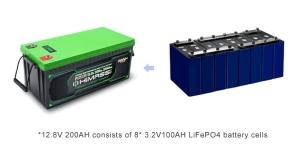
For example, consider a typical setup where the battery bank consists of a 12.8V system with a capacity of 200AH. This setup is tasked with managing a daily load of 2 kWh. To meet this demand efficiently, the configuration of the photovoltaic panels must align precisely with both the energy consumption needs and the storage capacity. If the goal is to ensure the battery is fully charged over the course of a single day, the calculation of the necessary photovoltaic output becomes crucial.

  • Example Calculation: With an 800W photovoltaic panel system receiving an average of 4.5 effective hours of sunlight per day, the total energy produced would be 800W times 4.5 hours, equating to 3600W. Factoring in a conservative estimate of system efficiency at 70%, the usable energy produced would amount to 2520W. Given the battery capacity is 2560WH, an 800W photovoltaic panel would be nearly perfect to meet the daily charge requirement, demonstrating a well-matched system configuration.

This calculation shows the importance of aligning photovoltaic panel output with battery storage capacity to ensure energy is neither wasted nor insufficient. It highlights how critical the precise calculation of panel output, sunlight availability, and system efficiency is to the successful implementation of a photovoltaic system tied to energy storage.

Calculating Photovoltaic Panel Configuration

Determining the ideal photovoltaic panel configuration requires a detailed understanding of daily energy needs, anticipated energy production, and system efficiency considerations. Here’s a step-by-step approach to calculate the necessary photovoltaic output based on different requirements:

  1. Determine Daily Energy Requirements: Start by calculating the total energy consumption of the system per day, factoring in all appliances and devices that will draw power from the storage system.
  2. Assess Effective Sunshine Hours: Evaluate the average number of effective sunlight hours available in your location. This varies widely based on geographical location, season, and local weather patterns.
  3. Account for System Efficiency: Include considerations for losses due to inverter efficiency, potential energy loss from heat dissipation, and inefficiencies in wiring and connections. A common efficiency factor to use in these calculations is around 70-80%, but this may vary based on specific system components and configurations.
  4. Plan for Backup Energy Needs: If the system needs to provide energy during multiple consecutive days without sunlight, the configuration must account for additional storage capacity and potentially increased photovoltaic output to charge the battery bank fully during periods of available sunlight.

For instance, if the requirement extends to fully charging the battery over two days with limited sunshine, adjusting the photovoltaic panel capacity becomes necessary. Under the same efficiency and sunlight conditions, a 400W panel might suffice, providing a slower charge rate but meeting the extended duration requirement.

solar-lifepo4-battery

Choosing the Right Photovoltaic Panels

Selecting the appropriate photovoltaic (PV) panels is critical for optimizing the performance and longevity of energy storage systems. When choosing PV panels, several factors must be considered to ensure that they meet the specific needs of the system and provide the best possible return on investment.

  • Efficiency: One of the most important characteristics of a PV panel is its efficiency, which refers to how well it converts sunlight into electricity. Higher efficiency panels generate more power per square foot, which is beneficial in scenarios where space is limited. While these panels may carry a higher upfront cost, they can provide greater long-term savings by maximizing energy production, especially in areas with high sunlight exposure.
  • Durability: The environmental conditions where the panels will be installed play a significant role in selecting the right type. Panels must be durable enough to withstand local weather conditions such as heavy rains, high winds, and potential hail. Additionally, the quality of materials and the construction of the panels affect their ability to endure long periods of exposure to UV rays and other environmental stressors.
  • Cost: The cost of PV panels can vary significantly based on factors such as efficiency, durability, and brand reputation. It’s essential to balance the initial investment against expected energy production and potential savings. In many cases, spending more upfront on higher quality, more efficient panels can lead to higher savings in energy costs over the life of the system.
  • Warranty and Manufacturer Support: The warranty period offered by the manufacturer can provide insights into the expected lifespan and reliability of the panels. Longer warranty periods and comprehensive support reflect confidence in the product and can help safeguard your investment.

Case Studies and Real-world Applications

Analyzing real-world applications of photovoltaic panel configurations in energy storage systems provides valuable insights into their practical effectiveness and challenges. Here are some case studies that illustrate the impact of well-chosen PV configurations:

  1. Residential Installation in a Temperate Climate: In this case, a homeowner in a region with moderate sunlight installed a system consisting of high-efficiency panels. Despite the higher initial cost, the panels’ ability to produce more energy per square foot allowed the homeowner to meet 100% of their energy needs year-round, significantly reducing their reliance on grid electricity.
  2. Commercial System in a High Sunlight Area: A commercial entity in a desert area opted for durable, moderately efficient panels that could withstand intense sun and heat without degrading. The system was designed to handle high daytime loads and provide substantial energy back to the grid, demonstrating the importance of durability and efficiency in harsh climates.
  3. Rural Off-grid System: In a remote location with limited access to reliable grid power, an off-grid system with robust PV panels and a large battery storage capacity was implemented. This setup ensured that the community had continuous power, even in variable weather conditions, highlighting the system’s resilience and the critical role of comprehensive energy planning.

Conclusion

The configuration of photovoltaic panels in an energy storage system is not just a technical decision—it’s a strategic one that impacts the efficiency, reliability, and financial viability of the system. Accurate configuration ensures that the system can meet daily energy demands, adapt to environmental conditions, and provide sustainable energy solutions over the long term. By carefully matching photovoltaic panels to the system’s battery capacity and load requirements, users can maximize their energy yield, reduce dependency on traditional power grids, and contribute to a more sustainable future. This process, though complex, offers significant rewards in terms of energy independence and environmental impact.

About Himax Electronics

Himax Electronics stands at the forefront of the solar energy and battery storage industries, providing innovative SOLAR BATTERY solutions that push the boundaries of what’s possible in renewable energy technology. With a focus on high-efficiency photovoltaic solutions and robust energy storage systems, Himax is dedicated to helping clients harness the power of the sun to meet their diverse energy needs.

  • Expertise and Innovation: At Himax, innovation is at the core of everything we do. Our team of experts continually develops new technologies and solutions that improve the efficiency and reliability of photovoltaic systems. From advanced MPPT controllers to high-capacity batteries, our products are designed to offer superior performance in a wide range of applications.
  • Commitment to Sustainability: Himax is deeply committed to promoting sustainable energy practices. By focusing on renewable sources and advanced storage solutions, we help reduce carbon footprints and promote energy independence for our clients. Our goal is to make renewable energy accessible and effective for everyone, from individual homeowners to large commercial enterprises.
  • Customer-Centric Solutions: Understanding that each client has unique energy needs, Himax offers customized solutions tailored to the specific requirements of each project. Our comprehensive support system ensures that clients receive the guidance and resources they need to successfully implement and maintain their energy systems. From initial consultation to post-installation support, Himax is with you every step of the way.
  • Global Impact: With a presence in multiple countries and a diverse portfolio of successful projects, Himax Electronics is a global leader in the solar energy sector. Our international experience and broad expertise enable us to handle projects of any scale and complexity, driving the global transition to renewable energy.

In conclusion, choosing the right photovoltaic panel configuration for your energy storage system is crucial for optimizing performance and achieving long-term sustainability. Himax Electronics is your trusted partner in this journey, offering the expertise, products, and support needed to transform the way you harness solar energy.
12v-solar-mppt-battery

How to Set Parameters for Solar Controllers (MPPT)

Introduction

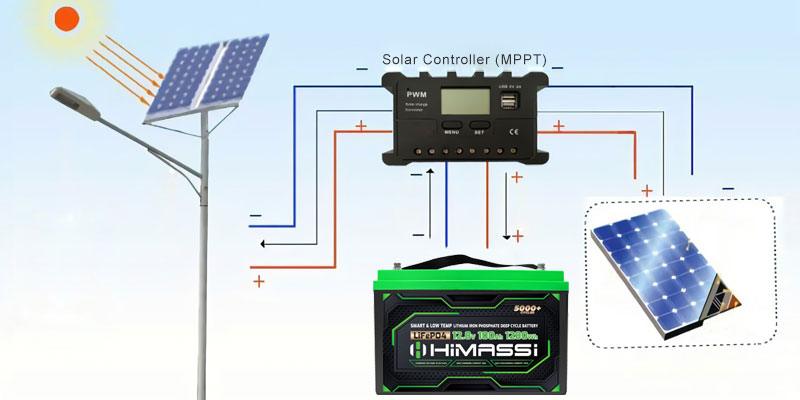
Solar controllers are an indispensable component of any solar power system. They not only protect batteries from overcharging or deep discharge but also ensure maximum efficiency output from solar panels. Maximum Power Point Tracking (MPPT) controllers stand out for their superior energy conversion capabilities. This article provides detailed guidance on setting MPPT parameters for various lithium iron phosphate (LiFePO4) battery configurations, helping you optimize the performance of your solar energy systems.

Solar energy, by its nature, fluctuates due to changes in sunlight exposure caused by weather variations and the day’s time. MPPT technology plays a crucial role in managing these fluctuations by adjusting the charge sent to the batteries to capture the maximum possible energy at any given time. By understanding how to precisely set up your MPPT controller, you can significantly improve the efficiency and longevity of your solar energy system.

lifepo4-battery-4s-12.8v

Fundamentals of MPPT Controllers

MPPT, or Maximum Power Point Tracking, is an advanced charging technique that dynamically adjusts the charge process to maximize the efficiency of solar panels. The core function of an MPPT controller is to find the panel’s maximum power point and adjust the load accordingly to optimize the energy harvested from the sun. This technology is particularly beneficial in environments with variable weather conditions or partial shade.

Compared to traditional PWM (Pulse Width Modulation) controllers, MPPT controllers operate at a higher efficiency level. While PWM controllers are generally cheaper and simpler, they do not adjust to changing light conditions, leading to potential energy losses when solar irradiance levels fluctuate. On the other hand, MPPT controllers continuously adjust their input to deliver the maximum possible energy to the batteries, making them ideal for areas with inconsistent sunlight.

MPPT controllers can increase charge efficiency by up to 30% compared to PWM models, especially in colder or overcast climates where sunlight is less direct or filtered through clouds. This efficiency is achieved by electronically tracking the panels’ voltage and current in real-time and adjusting the voltage to match the battery’s state of charge, maximizing energy transfer.


Setting MPPT Controller Parameters: A Step-by-Step Guide

Properly setting the parameters of an MPPT solar controller is crucial for ensuring the efficient operation of your solar power system. Here’s a detailed guide on how to configure the settings for various lithium iron phosphate (LiFePO4) battery configurations:

  1. Identifying System RequirementsBefore you begin adjusting your MPPT controller, it is vital to understand your solar system’s specific needs, including total system voltage and the type of batteries used. LiFePO4 batteries, known for their robustness and longevity, require specific settings for optimal performance.
  2. Basic Parameter Settings for Different Battery ConfigurationsThe settings for your MPPT controller will vary depending on the number of cells in series within your battery pack. Here’s how to adjust the controller for common configurations:
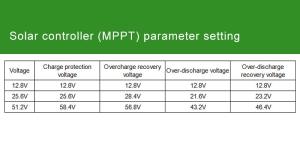
  • 8-series LiFePO4 Battery (12.8V)
  • Charge Protection Set Point: Set this parameter to 14.6V to prevent overcharging, which can extend battery life.
  • Overcharge Recovery: Reset the charging process to 14.2V to allow the battery to stabilize before resuming normal charging.
  • Discharge Protection: Establish a low-voltage cutoff at 10.8V to protect the battery from deep discharges.
  • Discharge Recovery: Set this to 11.6V to allow the battery to recover before it starts accepting charge again.
  • 16-series LiFePO4 Battery (25.6V)
  • Charge Protection Set Point: Adjust this to 29.2V to ensure the battery charges safely without exceeding its voltage limit.
  • Overcharge Recovery: Set to 28.4V to reduce the voltage slightly once the upper limit is reached, protecting the cells from stress.
  • Discharge Protection: A threshold of 21.6V will prevent the battery from discharging too deeply, thus preserving its capacity.
  • Discharge Recovery: Configure this to 23.2V to provide a safe margin for battery recovery after discharge.
  • 32-series LiFePO4 Battery (51.2V)
  • Charge Protection Set Point: This should be set at 58.4V to optimize charging without surpassing the maximum voltage of the battery pack.
  • Overcharge Recovery: Reduce the setting to 56.8V to allow the battery to normalize post-charging.
  • Discharge Protection: Set the low-voltage cutoff at 43.2V to safeguard the battery’s long-term health.
  • Discharge Recovery: Adjust to 46.4V to ensure the battery can recover effectively after being deeply discharged.
  1. Advanced Parameter AdjustmentsBeyond basic voltage settings, MPPT controllers offer advanced options that can further enhance your system’s performance. These include temperature compensation, which automatically adjusts charging parameters based on the ambient temperature to prevent overcharging in hot weather and undercharging in cold. Load control is another sophisticated feature that enables the user to manage power usage by automatically turning off non-critical loads during low battery conditions, thus ensuring that essential functions continue without interruption.


Advanced Parameter Adjustments

Advanced settings in MPPT controllers allow for fine-tuning beyond basic voltage thresholds, enhancing system performance and adapting to specific environmental conditions:

  • Temperature Compensation: This feature adjusts the charging voltage based on the ambient temperature. Temperature compensation is critical because battery charging requirements change with temperature fluctuations. For instance, in colder environments, the charging voltage should be higher to adequately charge the battery, whereas in hotter conditions, it should be lowered to prevent overcharging and potential damage.
  • Load Control: This function allows for the strategic management of output loads. You can set the controller to disconnect non-essential loads when the battery voltage drops below a predefined threshold, thereby preserving battery life and ensuring critical components remain operational. Load control is especially useful in systems where power demands vary significantly throughout the day or where certain applications are prioritized over others.

Troubleshooting and Maintenance

Maintaining the efficiency and longevity of your solar power system involves regular troubleshooting and maintenance of the MPPT controller. Here are some common issues and solutions:

  • Low Charging Efficiency: If the system seems to be generating less power than expected, first check the alignment and cleanliness of solar panels. Dust, debris, or misalignment with the sun can significantly reduce efficiency. Next, verify the wiring and connections for corrosion or damage, as poor connections can impede power flow.
  • Battery Not Charging Fully: This issue may arise from incorrect parameter settings on the MPPT controller. Recheck the voltage set points according to your specific battery’s specifications. Additionally, ensure the battery itself is in good health; aging or damaged batteries may not hold a full charge.
  • System Overheating: Overheating can occur if the MPPT controller is exposed to high ambient temperatures or if it’s operating beyond its capacity. Ensure adequate ventilation around the controller and consider adding a fan or moving the system to a cooler location if necessary.
  • Monitoring System Performance: Most modern MPPT controllers come equipped with monitoring tools that provide real-time data on system performance and diagnostic logs. Regularly reviewing these logs can help you identify potential issues before they become serious problems, facilitating proactive maintenance and adjustments.

MPPT-parameter-setting

Conclusion

Properly setting up and maintaining an MPPT controller is vital for maximizing the efficiency and lifespan of your solar power system. By following the detailed guidelines provided, you can ensure that your system operates at peak efficiency, reliably converting solar energy into usable power.

About Himax Electronics

Himax Electronics is a leader in the field of solar battery and control technology, offering a range of efficient solutions, including state-of-the-art MPPT controllers. Our commitment to innovation and quality ensures that our products meet the highest standards, helping customers optimize their solar energy systems. By choosing Himax, you benefit from cutting-edge technology, expert support, and dedicated customer service, making your solar investments more productive and sustainable.

pv-battery

Introduction

Are you facing frustrating issues with your LiFePO4 battery – perhaps it’s not charging, showing zero output, or seems completely dead? Often, the culprit is a dormant or over-discharged Battery Management System (BMS) that needs activation to restore full functionality. This comprehensive guide provides clear, actionable, and proven steps to safely activate the BMS of your 12V 100Ah LiFePO4 battery using three effective methods. Get your deep cycle battery back in action!

lifepo4-battery-charger

Why Won’t My LiFePO4 Battery Work? Understanding the BMS

The Battery Management System (BMS) is often referred to as the “brain” or “protection circuit” of your LiFePO4 battery pack. Its fundamental role is to meticulously protect the individual battery cells from various damaging conditions, including:

  • Overcharging: Preventing the cells from exceeding their maximum voltage.
  • Over-discharging (Low Voltage Protection): Disconnecting the battery if its voltage drops below a safe threshold (e.g., typically 8-10V for a 12V LiFePO4 battery). This is a critical safeguard against irreversible cell damage.
  • Over-current: Limiting the current flow during discharge or charge to protect against short circuits or excessive loads.
  • Extreme Temperatures: Monitoring and often shutting down the battery if temperatures become too high or too low.

When a LiFePO4 battery is discharged too deeply (e.g., below its low voltage cut-off), the BMS will often engage its “sleep” or “protection” mode. In this state, it physically disconnects the internal battery cells from the external terminals, effectively preventing any current flow. This safety feature, while vital, means that standard LiFePO4 battery chargers might not recognize the “dead” battery, as they require a minimum voltage to initiate charging. To restore power and enable the lithium battery charger to function, you must first trigger the BMS back into operation.

3 Proven Methods to Activate Your LiFePO4 Battery BMS

Here are three highly effective ways to activate a dormant BMS on a 12V 100Ah LiFePO4 battery. Choose the method that best suits your available equipment and comfort level.

Method 1: Using a Dedicated LiFePO4 Charger with 0V Activation

This is generally the most reliable and safest method if you possess the correct charging equipment.

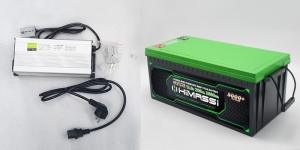
  1. Identify Your Charger: Ensure you have a high-quality LiFePO4 charger specifically designed for 12V lithium iron phosphate batteries (typically outputting around 14.6V). Critically, this charger must feature a “0V charging” or “low voltage activation” mode. Many modern, intelligent lithium battery chargers now include this essential capability.
  2. Connect Securely: Connect the charger’s positive (+) terminal to the battery’s positive (+) terminal and the negative (-) terminal to the battery’s negative (-) terminal. Double-check for secure and correct polarity.
  3. Initiate Charging: Plug in your LiFePO4 charger. The charger’s advanced circuitry should detect the extremely low battery voltage and automatically attempt to apply a small, controlled current to wake up the BMS.
  4. Monitor Activation: The BMS typically activates once the battery voltage gradually rises to approximately 10-11V. You might hear a subtle “click” sound from the BMS relay, or observe a change in the charger’s indicator lights (e.g., from error to charging mode). Once activated, continue charging until the LiFePO4 battery is fully charged.

Why this works: Chargers equipped with 0V activation circuitry are specifically engineered to bypass the initial low-voltage lockout of a dormant BMS, safely applying a minute current to raise the battery voltage past the protection threshold.

Method 2: Using a Solar Panel (18V or Higher Recommended)

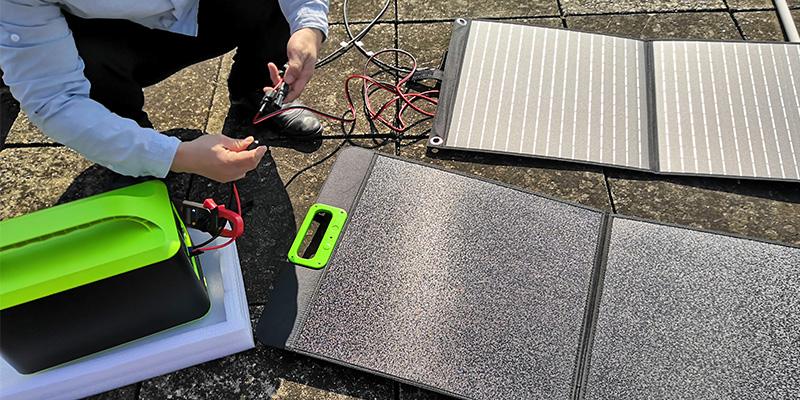
If you have an existing solar power system or a standalone solar panel, this can be a convenient and effective way to reset your LiFePO4 BMS.

  1. Select an Appropriate Solar Panel: An 18V (or higher open-circuit voltage) solar panel is ideal for “jump-starting” a 12V LiFePO4 battery. This higher voltage provides sufficient “headroom” to overcome the BMS’s low-voltage lockout and initiate a small current flow.
  2. Direct Connection (Exercise Extreme Caution!): Temporarily connect the solar panel’s positive (+) output directly to the battery’s positive (+) terminal and the negative (-) output to the battery’s negative (-) terminal.
  3. Important Safety Note: Only use this method in strong, direct sunlight. Do not leave the battery unattended for extended periods if your solar panel is not connected via a proper solar charge controller. The goal here is a quick “jump start” for the BMS, not full charging without regulation.
  4. Allow for Initial Charge: The higher voltage from the solar panel should be sufficient to push a small current into the dormant battery, gradually raising its terminal voltage.
  5. BMS Activation: Once the battery voltage increases to around 10-11V, the BMS should activate. At this point, immediately connect a proper LiFePO4 solar charge controller to safely manage the remainder of the charging process and protect the battery from overcharging.

Why this works: The higher voltage potential from the solar panel, compared to the battery’s current “dead” state, can “trick” the BMS into allowing a small initial current to flow, thereby initiating the wake-up process.

Method 3: Parallel Connection with Another Charged 12V LiFePO4 Battery

This method is particularly useful if you have another healthy, charged LiFePO4 battery of the same voltage readily available.

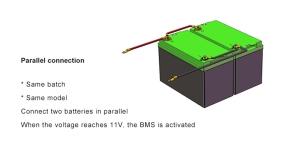
  1. Ensure Matching Batteries: Use another 12V LiFePO4 battery that is already charged (ideally above 13V) and has a similar capacity (e.g., another 100Ah battery).
  2. Prepare for Parallel Connection: Ensure both batteries are completely isolated – not connected to any loads, inverters, or chargers.
  3. Connect in Parallel (Polarity is Key!): Connect the positive (+) terminal of the “dead” battery to the positive (+) terminal of the charged battery.  Connect the negative (-) terminal of the “dead” battery to the negative (-) terminal of the charged battery.
  4. Use appropriately sized battery cables capable of handling the potential initial current surge between the two batteries.
  5. Voltage Equalization: The charged battery, possessing a higher voltage, will naturally transfer energy to the “dead” battery, slowly raising its voltage.
  6. BMS Activation: Once the “dead” battery’s voltage reaches the BMS activation threshold (approximately 10-11V), the BMS will re-engage and allow current flow.
  7. Disconnect and Charge: After successful BMS activation, disconnect the batteries from each other. You can then proceed to use a standard LiFePO4 charger to fully charge the newly activated battery safely and efficiently.

Why this works: The voltage differential between the charged and dormant batteries creates a current flow that forces the voltage of the protected battery to rise above the BMS’s low-voltage cut-off, thereby triggering its re-engagement.

When to Seek Professional Assistance

If you have diligently attempted these proven methods and your LiFePO4 battery’s BMS still refuses to activate, or if you observe any unusual and concerning behavior (such as excessive heat generation, battery bulging, smoke, or strange odors), it is imperative to immediately cease all attempts and consult a qualified battery professional. Himax Electronics, a leader in battery management solutions, can provide expert diagnostics and specialized support for persistent issues that may indicate internal cell damage or a faulty BMS, requiring advanced tools and expertise.

Maintaining Your LiFePO4 Battery for Long-Term Performance

Once your BMS is successfully activated and your LiFePO4 battery is back in service, adhere to these essential maintenance tips to prevent future issues and significantly maximize its lifespan:

  • Avoid Deep Discharges: Do not regularly discharge your LiFePO4 battery below 20% State of Charge (SOC) to prevent repeated BMS low-voltage cut-offs.
  • Use Proper Chargers: Always utilize a lithium iron phosphate battery charger specifically designed for LiFePO4 chemistry, ideally one with integrated multi-stage charging and safety features.
  • Monitor Voltage Consistently: Keep a close eye on your battery’s voltage, especially during periods of storage or infrequent use.
  • Store Properly: If storing batteries for extended periods, aim for a cool, dry environment with the battery at approximately 50% State of Charge (SOC).

lifepo4-battery-in-parallel

na ion battery

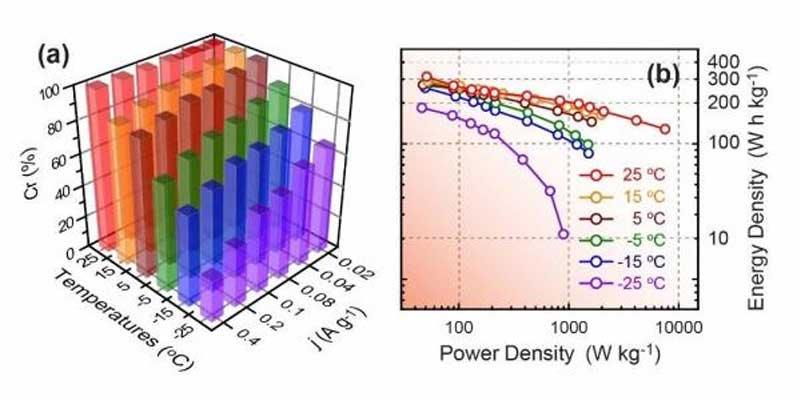
In recent years, batteries have become ubiquitous in consumers’ daily lives. However, existing commercial battery technologies, which use liquid electrolytes and carbonaceous anodes, have certain drawbacks such as safety concerns, limited lifespan, and inadequate power density particularly at high temperatures.

Yet, there is an increasing need for batteries that can operate in extreme conditions, such as the high temperatures required in various industrial sectors, including medical device sterilization, subsurface exploration, and thermal reactors.

This has prompted researchers to search for solid electrolytes that are safe and compatible with lithium metal anodes, which are known for their high theoretical specific power capacity.

A research team led by Professor Dong-Myeong Shin of the Department of Mechanical Engineering at the University of Hong Kong (HKU) has developed a new generation of lithium metal batteries, representing a significant advancement in the field. Their innovation centers on microcrack-free polymer electrolytes, integral to these batteries, which promise extended lifespan and enhanced safety at elevated temperatures.

The findings have been published in the journal Advanced Science with the title “Accelerated Selective Li+ Transports Assisted by Microcrack-Free Anionic Network Polymer Membranes for Long Cyclable Lithium Metal Batteries.”

The microcrack-free polymer electrolytes developed by Professor Shin’s team are synthesized via a straightforward one-step click reaction, exhibiting notable attributes including resistance to dendrite growth and non-flammability, demonstrating a high electrochemical stability window up to 5 V, and an ionic conductivity of 3.1 × 10⁻⁵ S cm−1 at high temperatures.

These enhancements are attributed to tethered borate anions within the microcrack-free membranes, which facilitate accelerated selective transport of Li+ ions and suppress dendrite formation. Ultimately, these anionic network polymer membranes enable lithium metal batteries to function as safe, long-cycling energy storage devices at high temperatures, maintaining 92.7% capacity retention and averaging 99.867% coulombic efficiency over 450 cycles at 100°C. Normally, the cycling performance of conventional liquid electrolyte Li metal batteries is fewer than 10 cycles at high temperatures.

Fast-charging

The breakthrough by the research team potentially paves the way for future advancements in anionic polymer electrolyte design for next-generation lithium batteries.

“We believe this innovation opens doors for new battery chemistries that can revolutionize rechargeable batteries for high-temperature applications, emphasizing safety and longevity,” said Dr. Jingyi Gao, the first author of the paper.

“Apart from applications in high-temperature scenarios, the microcrack-free electrolyte membranes also have the potential to enable fast charging due to low overpotential. This capability could allow electric vehicles to recharge in the time it takes to drink a cup of coffee, marking a significant advancement towards a clean energy future,” Professor Shin added.

lfp battery pack

Introduction

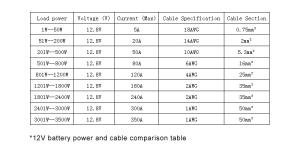
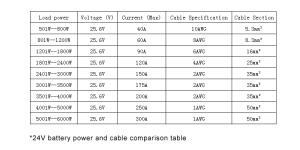
Lithium batteries stand as a cornerstone in modern technology, powering everything from mobile devices to electric vehicles and renewable energy systems. The effectiveness of these batteries(Lifepo4 battery) hinges significantly on the quality and suitability of the connecting cables. This guide not only focuses on selecting the right cables based on load power but also emphasizes the crucial aspects of safety and system efficiency. The introduction sets the stage for the importance of careful cable selection in optimizing battery performance and extending the life of the energy system.

12v-battery-cable

Understanding the Basics of Cable Selection

  1. Cable Specifications Explained:
  • Size and Gauge: The thickness of a cable, or gauge, is critical as it dictates the amount of current it can safely transport. This section will explain how to choose the right gauge based on the American Wire Gauge (AWG) standard, which inversely correlates the gauge number with the wire diameter.
  • Material: While copper is preferred for its lower resistance and superior conductivity, aluminum is considered when weight and cost are factors, despite its approximately 61% conductivity of copper. This part will include a comparative analysis, highlighting scenarios where each material might be preferable.
  • Insulation Type: Different insulation materials cater to varying operational demands—PVC is versatile and economical, rubber offers enhanced flexibility and durability, and Teflon is ideal for high-temperature environments. Each material’s properties, applications, and limitations will be discussed in detail.
  1. Role of Cables in Lithium Battery Systems:
  • Power Transmission: Cables are the lifelines that carry the electrical power from the battery to the device or system. This section will explore the dynamics of power transmission, including efficiency factors and how improper cable selection can lead to energy loss.
  • Safety Mechanisms: The correct cable not only supports efficient operation but also incorporates safety features to prevent overheating, electrical fires, and other hazards. The importance of choosing cables with adequate insulation and protective coatings to mitigate risks will be emphasized.

48v-battery-cable

Analyzing Lithium Battery Load Requirements

  1. Defining Load Power:
  • Understanding load power is fundamental in selecting a suitable cable. This subsection will offer guidelines on how to quantify the load power by considering both the operational wattage and the peak power demands of the system.
  1. Assessing Load Demands:
  • Continuous vs. Peak Loads: Differentiating between continuous and peak load requirements is crucial for cable durability and system reliability. Examples of typical loads in residential, commercial, and industrial settings will be provided to illustrate how to cater to each.
  • Calculating Load: This part will provide a step-by-step approach to calculating the required cable gauge using formulas and considering factors like total wattage and voltage of the system to ensure that all technical parameters are met without over-specifying.

Choosing Cables: Key Considerations

  1. Current Carrying Capacity:
  • It’s vital to opt for cables that can handle higher currents than the system maximum to accommodate any unforeseen power surges or incremental load increases. This section will include a discussion on safety margins and how they affect cable choice.
  1. Voltage Drop and Line Losses:
  • Voltage drop across the length of a cable can significantly impact system performance, especially in low-voltage applications. Detailed calculations and mitigation strategies will be explained to help minimize losses.
  1. Environmental Factors:
  • Environmental considerations play a pivotal role in cable selection. This subsection will elaborate on choosing cable types based on environmental exposure, including chemical resistance, temperature tolerance, and mechanical durability.

Practical Case Studies

  1. Home Solar Energy Storage:
  • A detailed case study will describe a real-world scenario of a home solar system, discussing how the proper cable selection improved efficiency and safety.
  1. Electric Vehicles:
  • This case study will explore the critical role of high-quality cables in supporting the rapid charging and intense load demands of electric vehicles.
  1. Portable Power Stations:
  • The unique challenges of portable power solutions, such as mobility and variable environmental conditions, will be discussed with examples of how specific cable choices can enhance operational reliability.

24v-battery-cable

Conclusion The article will wrap up by summarizing the critical points about cable selection for lithium battery systems, reiterating the importance of meticulous planning and specification to enhance system performance and safety.

About Himax Electronics Finally, the article will conclude with a detailed segment about Himax Electronics, highlighting our expertise in providing robust battery solutions and tailored cable options that enhance both performance and safety across various applications.

lifepo4-battery-pack-12.8v-100ah

Introduction

Lithium Iron Phosphate (LiFePO4) batteries are not just another battery type; they represent a significant leap in technology, offering advantages that make them particularly suitable for energy-intensive and safety-critical applications. Their widespread use in sectors such as renewable energy, automotive, and consumer electronics underscores their importance. The ability to accurately measure and understand the State of Charge (SOC) of these batteries is crucial because it directly affects their efficiency and longevity. A well-managed SOC ensures optimal performance and can significantly extend the life of the battery by preventing overcharging or excessive discharge, which are primary causes of battery degradation.

12v-100ah-discharging-soc

Part 1: Fundamentals of LiFePO4 Batteries

  • Overview of Battery Technology:LiFePO4 batteries are renowned for their stability and safety due to their chemistry. Lithium iron phosphate as a cathode material provides a stable structure which does not undergo significant volume changes during electron discharge and charge, thus preventing structural degradation and extending battery life. This stability also minimizes risks such as thermal runaway, which is a common concern with other lithium-based batteries.
  • Specifications and Applications of 12.8V 100Ah Batteries:This specific battery configuration offers a balance of voltage and capacity that is ideal for applications requiring long-term, reliable power without frequent recharging. In recreational vehicles (RVs), these batteries can power lighting, HVAC systems, and small appliances, often for several days without recharging. For solar power systems, the 12.8V 100Ah battery serves as a backbone for storing solar energy harvested during the day to be used at night or during low sunlight periods, ensuring a consistent power supply.

Part 2: What is SOC and Its Importance

  • Definition of SOC:The State of Charge is a critical parameter in battery management, reflecting the current state of energy available compared to the battery’s maximum capacity. It is crucial for operational management, especially in scenarios where energy efficiency and battery health are paramount. It allows users to make informed decisions about energy use, which is particularly important in off-grid solar systems or during long trips in an RV.
  • Methods for Measuring SOC:Accurate SOC measurement can be challenging but essential for proper battery management. Voltage measurement, though common, can be misleading if the battery is under load or has just been charged. Coulomb counting integrates current flow over time to provide a more accurate depiction of charge in and out, but requires sophisticated circuitry and calibration. Impedance spectroscopy, which measures the internal resistance of the battery, can provide insights into battery health that correlate with SOC but typically requires specific equipment and can be more complex to interpret.

Part 3: SOC Correspondence for 12.8V 100Ah LiFePO4 Batteries

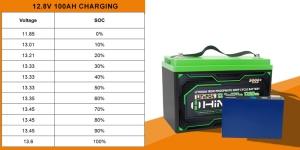
  • SOC Changes During Charging:As the battery charges, its voltage and SOC increase according to a characteristic curve that depends significantly on the charging rate and temperature. Understanding these relationships is crucial for setting up charging systems, especially in solar applications where charging conditions can vary widely with weather conditions and seasonality.
  • Discharge Process and SOC Chart:Providing a detailed SOC chart allows users to plan energy use more effectively. For instance, knowing that a battery at 50% SOC in an RV might last through the night without additional charging can help in planning energy usage around available capacity. Such charts also help in assessing when a battery needs recharging to maintain health and efficiency.

Part 4: Optimizing Your Battery’s SOC Usage

  • Strategies for Enhanced Battery Efficiency:Effective strategies for SOC management include setting limits on maximum and minimum SOC to avoid stressing the battery. For example, not allowing the battery to fall below 20% SOC can help prevent deep discharges that are harmful to LiFePO4 batteries.
  • Avoiding Common SOC Management Mistakes:A common mistake in SOC management is neglecting temperature effects. Battery chemistry is temperature-dependent, and both charging and discharging at temperatures that are too high or too low can reduce efficiency and lifespan. Proper insulation and temperature management can mitigate these effects.

lifepo4-battery-12v-100ah-soc

Conclusion

Effective management of the State of Charge in your 12.8V 100Ah LiFePO4 battery is not merely about prolonging its life but also about harnessing its full potential in terms of performance. Proper SOC management, through accurate measurement and mindful usage, ensures that the battery delivers its best performance throughout its lifespan.

About Himax Electronics

Himax Electronics stands at the forefront of LiFePO4 technology, providing innovative solutions tailored to meet the rigorous demands of various industries. Our commitment to quality and sustainability makes us a preferred partner in the energy sector. By choosing Himax, you are not only opting for top-tier battery technology but also supporting a vision of sustainable, reliable energy solutions for a greener planet.

rv-battery-12v-100ah

Introduction

Recreational vehicles (RVs) are not just transportation modes; they are mobile homes equipped with many amenities that provide comfort and convenience while on the road or camping. The battery system in an RV is foundational, supplying power to everything from lighting to essential household appliances. Understanding how to manage these batteries, especially when connected to an external power source, is vital for any RV owner. This guide will explore the importance of disconnecting your RV battery under certain conditions, why it is necessary, and how it can extend the lifespan of your battery while preventing potential electrical hazards.

12v-24v-rv-battery-pack

The Role of RV Batteries

RV batteries (IFR12V LEAD ACID REPLACEMENT BATTERY 300AH) are critical components that support both the mobility and livability of recreational vehicles. Here’s a deeper look into their roles:

  • Types of RV Batteries:
  • Deep Cycle Batteries:These are designed to provide a steady amount of power over a prolonged period. They are ideal for powering the living area of the RV, handling cycles of discharging and recharging efficiently.
  • Lead-Acid Batteries:The most common and cost-effective option, these batteries are good for starter functions but also can be used for deep cycle needs.
  • Lithium Batteries: Although more expensive, they offer a longer lifespan, faster charging, and a deeper discharge capacity, making them increasingly popular in modern RV setups.
  • Importance in Travel:
  • RV batteries make off-grid travel feasible, allowing travelers to use electrical appliances without a continuous external power source. They are also crucial for emergency situations where external power options are unavailable, ensuring lights, communication devices, and essential electrical systems are operational.

When to Disconnect the RV Battery

Disconnecting the RV battery at the right time is a preventive maintenance step that can save a lot of trouble and expenses in the long run. Here’s when and why it’s crucial:

  • While Plugged Into External Power:
  • Disconnecting the battery while your RV is connected to an external power source, commonly known as shore power, can prevent overcharging. Overcharging a battery can lead to excessive heat, potential swelling, and irreversible damage, all of which reduce the battery’s lifespan and efficacy.
  • Some advanced RV setups include integrated systems that automatically prevent overcharging, but in systems without such features, manual disconnection is a reliable preventive measure.
  • During Long-Term Storage:
  • When storing your RV for extended periods, disconnecting the battery can prevent the gradual energy drain that occurs even when no active loads are being powered. Natural discharge can lead to a dead battery or one that’s below optimal charge level, which can significantly affect its health and future performance.
  • Additionally, disconnecting the battery can also prevent potential damage from electrical faults or shorts in the system during storage, especially in environments prone to fluctuations in temperature and humidity.

How to Safely Disconnect Your RV Battery

Ensuring safety while disconnecting your RV battery is paramount to prevent accidents and damage to the electrical system. Here’s how to do it right:

  • Step-by-Step Instructions:
  • Identify Your Battery Type: Knowing whether you have a lead-acid, lithium, or another type of battery can dictate the specific precautions you need to take.
  • Turn Off All Power Sources: Ensure all appliances are off and disconnect any connections to external power sources.
  • Wear Safety Gear: Gloves and protective eyewear can prevent injuries from accidental sparks or exposure to battery acid.
  • Disconnect the Negative Terminal First: This reduces the risk of short circuits while disconnecting the positive terminal.
  • Inspect and Clean:Check for any corrosion on terminals and clean them with a brush and appropriate cleaning solution.
  • Safety Protocols:
  • Never Use Metal Tools Directly On the Battery: Use insulated tools to prevent accidental shorts.
  • Check for Damages: Look for any signs of damage or wear on the battery and its connections. Damaged batteries should be handled with extra care or replaced if necessary.
  • Secure the Battery: Make sure the battery is securely mounted and not liable to move around once disconnected, especially if the RV is being moved or stored.

Common Questions and Expert Tips

Navigating the intricacies of RV battery management can be complex. This section addresses some of the most common concerns and provides expert advice to enhance battery life and performance.

  • FAQs:
  • How often should I disconnect my RV battery? The frequency depends on usage and storage patterns. If you regularly connect to shore power, disconnect the battery whenever the RV is parked for more than a few days to prevent overcharging.
  • What are the signs that my battery needs replacing? Slow cranking, frequent need for recharges, visible corrosion, and swelling are indicators that your battery may be nearing the end of its useful life.
  • Can I leave my RV battery connected during short storage periods? For short-term storage (a few weeks to a month), it is generally safe to leave the battery connected, especially if the vehicle is equipped with a good-quality battery maintainer.
  • Professional Insights:
  • Battery Maintenance: Regularly check the battery’s fluid levels (for lead-acid batteries) and keep terminals clean and tight to ensure optimal performance.
  • Smart Charging Practices: Use a smart charger that automatically adjusts the charge rate based on battery condition. This can significantly extend the battery’s lifespan by preventing overcharging and deep discharge cycles.
  • Monitor Battery Health:Employ a battery monitoring system to get real-time data on voltage, current, and charge levels. This helps in making informed decisions about charging and potential battery replacement.

Conclusion

Managing your RV’s battery involves more than just knowing when to disconnect it; it requires a holistic approach to usage, maintenance, and understanding the underlying technologies. By implementing the guidelines and tips provided, RV owners can ensure their batteries serve them well throughout their journeys, providing reliability and peace of mind.

lifepo4-rv-battery

About Himax Electronics

As we wrap up this guide, it’s pertinent to highlight how Himax Electronics can aid in achieving the optimal performance of your RV batteries (LiFePO4 battery). Specializing in cutting-edge battery solutions, Himax Electronics offers products designed with longevity and efficiency in mind. Our batteries are built to withstand the rigors of RV life, backed by comprehensive customer support and a commitment to quality that sets us apart in the industry. Explore our range of battery products tailored for RV applications and discover how we can help enhance your traveling experience with reliable, high-performance energy solutions.

Future Batteries(Article illustrations)

Fusion vessels have a Goldilocks problem: The plasma within needs to be hot enough to generate net power, but if it’s too hot, it can damage the vessel’s interior. Researchers at the Princeton Plasma Physics Laboratory (PPPL) are exploring ways to draw away excess heat, including several methods that use liquid metal.

One possibility, say researchers at the U.S. Department of Energy Lab, involves flowing liquid lithium up and down a series of slats in tiles lining the bottom of the vessel. The liquid metal could also help to protect the components that face the plasma against a bombardment of particles known as neutrons.

“The prevailing option for an economical commercial fusion reactor is a compact design,” said PPPL’s Egemen Kolemen, co-author of a 2022 paper on the research and an associate professor of mechanical and aerospace engineering and the Andlinger Center for Energy and the Environment. However, compactness makes handling the heat flux and neutron bombardment a bigger challenge.

“Currently, there are no available solid materials that can handle these loads. Flowing liquid metals have the potential to resolve these materials challenges.”

The liquid metal would only be directly exposed to the plasma’s heat very briefly as it traveled across the top edge of a thin slat, driven by magnetic forces and an electric current. Then, the metal would flow down a channel created by the gap between two slats. As the liquid metal descends toward the bottom of the device, known as a divertorlet, the liquid would cool. Ultimately, the liquid metal would travel back up to the top of a slat, gather heat and fall again.

Flow loops minimize the liquid metal lost to evaporation

Experiments on this prototype for the cooling system were successful, and the results agreed with those shown in simulations. “We were able to replicate the flow loops around the slats, which is like the operational principle of the mechanism,” said Francisco Saenz, a graduate student at Princeton’s Department of Mechanical and Aerospace Engineering and co-author of the divertorlets paper.

“In the system we propose, the liquid metal heats up at the top surface, but it is displaced almost immediately by cool liquid metal that comes to the top surface to keep absorbing heat,” Saenz said.

With each rise and fall around a slat, the liquid would heat up and be replaced with fresh liquid metal. However, the overheating of the liquid metal is minimized because the liquid metal is only exposed to the heat during its small trip over the divertorlet. Past designs for similar liquid metal systems, known as divertors, involved having the liquid metal flow directly past the plasma for a longer period of time, which would have likely resulted in overheating and more evaporation.

The lithium that moves into the plasma through evaporation could also be beneficial; based on past research at PPPL, it should help the plasma stay at high temperatures and be manageable.

“Lithium reduces the recycling of hydrogen particles. By recycling, I mean there are atoms from the plasma that leave the core, go to the walls and bounce back to the plasma,” Saenz said. The isotopes that do bounce back have a significantly reduced temperature, which ends up cooling down the plasma’s temperature. “But if your plasma-facing system is made of lithium, it absorbs and keeps those particles that are colliding against the walls, so your plasma is no longer cooling down at fast rates.”
Fast-charging


The researchers used galinstan—a mix of gallium, indium and tin—instead of lithium in their experiments. “The electrical conductivity of a liquid metal is one of the governing properties for flows under the influence of strong magnetic fields, like those you would find in a fusion vessel. Galinstan has an electrical conductivity that is pretty similar to that of liquid lithium,” said Saenz, which allows them to do analysis of lithium flows in different scenarios.

The amount of current applied to the liquid was increased in a series of steps to see how it would impact the speed and uniformity of flow. Saenz said the research team achieved their target speed without the liquid metal splashing. The faster a liquid metal flows, the more a specific kind of force acts on it. This force, known as magnetohydrodynamic drag, slows the flow down.

Fortunately, their experimental results aligned with what they saw in simulations, and the researchers were able to get the liquid flowing below the 1 meter per second speed limit they set, using 900 amps of electric current efficiently. The ideal divertorlet would need to not only draw away heat, Saenz said, but do so without requiring an excessive amount of power to keep the liquid flowing.

Princeton University graduate student Brian Wynne, who also worked on the divertorlets project, is looking forward to future iterations of the prototype. “There is still more work to be done,” Wynne said. “We need to optimize the structure of the geometry itself in terms of the shape of the slats.”

That might involve reducing the width of each slat and rounding the edges to reduce the peaks and valleys seen in the fluid. The peak of one wave can block heat transfer to an adjacent valley, so creating a smooth surface should increase heat absorption from the plasma to the liquid.

Wynne said the next prototype might move from copper slats to 3D-printed tungsten, too. This highly durable metal is thought to be well suited for plasma-facing components, in general, so it might make sense to use it for the divertorlets, he said. Future prototypes also will investigate systems for flowing lithium in and out of the divertorlet. The current divertorlet prototype is a closed system, meaning no liquid lithium was removed or added while the current was applied.

Provided by Princeton Plasma Physics Laboratory

solar-battery-life

Introduction

Solar batteries, pivotal components of renewable energy systems, enable the storage of solar energy during peak sunlight hours for use during off-peak times or less sunny conditions. As the adoption of solar energy systems grows across residential, commercial, and industrial sectors, understanding the longevity and effectiveness of these energy storage solutions becomes increasingly critical. This comprehensive guide will explore the essential aspects of solar batteries, focusing on the variety of battery types available and the lifespan you can expect from each, helping users make informed decisions about their energy storage needs.

best-lifepo4-solar-battery

Types of Solar Batteries and Their Basic Lifespans

Solar energy storage technology encompasses a range of battery types, each with distinct characteristics tailored to different system requirements and budget considerations:

  • Lead-Acid Batteries: A traditional choice in solar systems, lead-acid batteries are prized for their cost-effectiveness and reliable performance in a variety of settings. They typically offer a lifespan of 5 to 7 years, which can vary based on the maintenance regimen and usage patterns. Despite their affordability, they require regular maintenance, including water top-ups and terminal cleaning, to prevent degradation and extend their usable life.
  • Lithium-Ion Batteries: These batteries are favored in modern solar installations due to their high efficiency, longer lifespan of up to 10-15 years, and minimal maintenance requirements. Lithium-ion batteries are more expensive initially but provide greater long-term value through their extended operational life and better energy density, which translates to smaller space requirements and less weight.
  • LiFePO4 Batteries: Representing the pinnacle of lithium-ion technology, LiFePO4 (lithium iron phosphate) batteries offer enhanced safety and stability, which is crucial for high-capacity energy storage applications. They boast even longer lifespans, often exceeding 10-20 years under optimal conditions, and are particularly noted for their robustness against thermal runaway, a common safety concern with other lithium-based batteries.

These batteries cater to a diverse range of needs, from small residential systems requiring basic energy storage to large commercial projects that demand high efficiency and longevity.

Three Decisive Factors Affecting Solar Battery Lifespan

  1. Environmental Conditions and Usage
  • Temperature Impact:The efficiency and lifespan of solar batteries are significantly influenced by ambient temperatures. High temperatures can accelerate the degradation of battery materials by increasing the rate of chemical reactions within the battery. This can lead to a shortened lifespan and reduced performance over time. Conversely, extremely low temperatures can decrease the chemical activity within the battery, resulting in lower energy output and slower charging rates, which may not adequately meet energy demands.
  • Sunlight Exposure: The amount of sunlight a solar system receives directly affects the charging cycles of solar batteries. Consistent and adequate sunlight ensures that batteries are regularly charged to their full capacity, which is crucial for maintaining the health of the battery. Insufficient sunlight leads to partial charges, which can stress the battery and shorten its lifespan due to incomplete cycling.
  1. Charge and Discharge Management
  • Depth of Discharge (DoD): The lifespan of a solar battery is also determined by how deeply it is discharged before being recharged. Batteries that are frequently discharged deeply (a high DoD) experience more significant wear and tear than those that are lightly discharged (a low DoD). Managing the depth of discharge can significantly extend a battery’s life by reducing the strain on its chemical components.
  • Charging Strategies: Implementing the correct charging strategy is pivotal for battery longevity. Solar batteries thrive on a consistent charging routine that avoids overcharging and undercharging. Utilizing a charger that can regulate the charge according to the battery’s capacity and design specifications ensures that the battery maintains optimal health and efficiency throughout its lifecycle.
  1. Maintenance and Management
  • Regular Maintenance: For lead-acid batteries, regular maintenance, such as checking water levels and cleaning terminals, can prevent corrosion and sulfation, both of which can severely impact battery performance and lifespan. Even maintenance-free batteries like lithium-ion benefit from occasional check-ups to ensure connections are secure and the housing remains intact.
  • Battery Management Systems (BMS): Modern solar battery setups often include a sophisticated BMS that helps manage the load and optimizes the charging and discharging processes. A good BMS not only protects the battery from conditions that would prematurely end its life but also helps in achieving an evenly balanced charge across all cells, crucial for maintaining battery health and efficiency.

By understanding these factors and implementing best practices in battery usage and maintenance, solar system owners can significantly enhance the operational lifespan of their solar batteries, ensuring a reliable power supply and maximizing their investment in solar technology.

Optimizing Battery Life Through Selection and Maintenance

Selecting the right solar battery and maintaining it effectively are crucial steps in maximizing both its performance and longevity. Here’s how you can ensure that your solar battery system remains robust over its entire operational life:

  • Selecting the Right Battery:
  • System Requirements: Assess your system’s energy needs based on daily consumption and peak usage times. Choosing a battery with appropriate capacity and discharge capabilities ensures that it can handle the load without excessive wear.
  • Compatibility: Ensure the battery is compatible with your solar panels and inverter. Mismatches can lead to inefficient charging and increased strain on the battery.
  • Future-Proofing: Consider future expansion. Some battery systems offer easier scalability than others. Planning for potential system upgrades can save significant costs and hassle in the future.
  • Proactive Maintenance:
  • Scheduled Inspections: Regularly scheduled inspections can help catch and resolve issues before they lead to significant damage or failure. This includes checking for physical damage, ensuring connections are tight and corrosion-free, and verifying that the BMS is functioning correctly.
  • Environmental Considerations: Store and operate batteries in temperature-controlled environments to minimize exposure to conditions that could accelerate degradation. If extreme temperatures are unavoidable, consider insulated enclosures to protect the battery.
  • Charging Practices: Use smart chargers that adapt the charging rate to the battery’s state of charge and environmental conditions. This helps in extending the battery’s life by avoiding stress from overcharging or undercharging.

Conclusion

The key to extending the life of solar batteries lies in understanding the specific needs of your solar energy system and the operational characteristics of different battery types. By choosing the right type of battery, implementing strategic charge and discharge management practices, and maintaining the battery system proactively, you can significantly enhance the efficiency and lifespan of your solar batteries. Proper care and maintenance not only prolong the operational life of the batteries but also ensure that they perform optimally throughout their service life.

lifepo4-solar-battery-dod

About Himax Electronics

At Himax Electronics, we are committed to providing high-quality, durable, and reliable battery solutions that meet the demands of diverse applications. Our expertise in advanced battery technologies ensures that our customers receive products designed for maximum performance and longevity. By choosing Himax Electronics, you benefit from our commitment to innovation and our focus on sustainable practices, ensuring that your investment in solar batteries(RV Solar Battery, Solar Battery for Home) maximizes your return and supports environmental sustainability. Explore our range of products and services to find the perfect solution for your energy storage needs.

lifepo4-battery-24v

Introduction

The choice of voltage in a solar system—whether 12V, 24V, or 48V—is more than just a matter of preference; it’s a crucial decision that influences the entire functionality and feasibility of your solar installation. The right voltage can enhance system efficiency, reduce costs, and provide scalability, making it vital to understand the unique characteristics and best applications for each option. This analysis isn’t just about technical specifications; it’s about aligning those specifications with real-world applications and needs, ensuring that every user maximizes their investment in solar technology.
This guide delves deep into the pros and cons of different solar system voltages, offering detailed insights to aid both newcomers and experienced users in making informed decisions that optimize performance and cost-effectiveness. We will explore various scenarios where each voltage type excels and discuss the trade-offs involved in selecting one over the others.

lifepo4-battery-12v

Details on 12V Systems

Advantages of 12V Systems:
  1. Cost Accessibility: One of the most significant benefits of 12V systems is their affordability. The components are generally less expensive, which makes them ideal for those who are experimenting with solar power or need a budget-friendly option for small-scale applications.
  2. Widespread Availability of Components: Due to their popularity in various applications including RVs, marine vehicles, and portable solar setups, 12V systems enjoy widespread component availability. This ubiquity ensures that replacement parts are easily obtainable and that there is a broad market of compatible accessories and add-ons.
  3. Ease of Setup: 12V systems are particularly user-friendly, which makes them excellent for DIY projects. Their simplicity allows even those with limited electrical knowledge to set up and maintain their system, making them a popular choice for individual users and hobbyists.
Limitations of 12V Systems:
  1. Higher Current Draw: The major drawback of 12V systems is their high current draw for a given power output. This can lead to significant energy losses through heat, especially when the system is scaled up to handle more substantial power demands. High current draw also necessitates the use of thicker, more expensive wiring to handle the increased load and minimize losses.
  2. Limited Scalability: While 12V systems are excellent for small applications, their scalability is limited. As energy demands increase, the inefficiency of high current draw becomes more pronounced. This limitation makes 12V systems less suitable for larger homes or businesses that require a robust energy supply.
  3. Reduced Efficiency Over Long Distances: For installations where components are spread out, the voltage drop associated with 12V systems can become problematic, leading to further inefficiencies and requiring additional considerations for cable sizing and placement.
These characteristics make 12V systems particularly well-suited for small-scale, portable applications where simplicity and cost are more critical than efficiency and scalability.

Details on 24V Systems

Advantages of 24V Systems:
  1. Enhanced Efficiency: One of the standout benefits of 24V systems is their increased efficiency over 12V systems. The higher voltage allows for a lower current to achieve the same power output, which reduces energy losses due to heat in the wiring. This makes 24V systems more suitable for medium-sized applications where efficiency is a critical factor.
  2. Reduced Wiring Costs: Because 24V systems draw less current, they require thinner wires compared to 12V setups. This reduction in gauge not only lowers the cost of wiring but also makes installation easier and less cumbersome, which is particularly advantageous in settings where wiring needs to be discreet or run over longer distances.
  3. Better Suitability for Larger Installations: While not as robust as 48V systems, 24V systems strike a balance between affordability and capability, making them ideal for residential solar systems that go beyond the basics but do not require industrial-scale power solutions. They offer a good middle ground for those looking to expand their solar capacity without a significant jump to a 48V system.
Limitations of 24V Systems:
  1. Higher Initial Investment than 12V Systems: Although 24V systems are more cost-effective in the long run due to reduced energy losses and wiring costs, the initial purchase price of components can be higher. This includes more expensive solar panels, inverters, and battery banks designed for 24V operation.
  2. Less Availability of Components than 12V: While still widely used, 24V systems do not have as broad a market for components as 12V systems. This can sometimes limit choices in terms of component variety and availability, which might be a consideration for those looking for specific features or capacities.
  3. Potential Overkill for Very Small Systems: For very small applications, such as small outdoor lighting setups or portable solar units, the advantages of a 24V system might not justify the extra cost and complexity, making 12V a more practical choice.
These factors make 24V systems particularly appealing for those in the middle ground—neither too small to benefit from efficiency gains nor too large to require the extensive setup of 48V systems.

Details on 48V Systems

Advantages of 48V Systems:
  1. Maximum Energy Efficiency: The standout advantage of 48V systems is their superior energy efficiency. The high voltage significantly reduces current draw, which minimizes energy losses across the system’s components. This makes 48V ideal for substantial solar installations like those used in commercial properties or extensive residential compounds.
  2. Scalability and Future-Proofing: 48V systems are highly scalable, capable of handling increased energy demands without significant losses. This feature makes them suitable for future expansions, such as adding more solar panels or integrating energy-intensive applications like electric vehicle charging stations.
  3. Reduced Cable Thickness and Cost: Despite the higher initial system cost, the ongoing operational savings are significant with 48V systems. The lower current requirement allows for thinner and less expensive cabling, which also simplifies the physical installation process and reduces the overall weight and logistics during setup.
Limitations of 48V Systems:
  1. Higher Initial Costs: The most significant barrier to 48V systems is the initial investment. The components, including inverters, batteries, and controllers, are generally more sophisticated and thus more expensive. This initial cost can be prohibitive for smaller operations or for individuals new to solar energy.

  2. Complexity in Installation and Maintenance: With high voltages comes increased complexity in both installation and ongoing maintenance. Handling a 48V system typically requires professional installation and a deeper understanding of electrical systems to ensure safety and optimal performance.
  3. Regulatory and Safety Considerations: Higher voltages require stringent adherence to safety standards and regulations. Proper insulation, protective equipment, and potentially even special permits might be necessary, adding to the complexity and cost of deployment.
Ideal Use-Cases for 48V Systems:
Given their attributes, 48V systems are particularly beneficial in settings where long-term efficiency and scalability are prioritized over immediate cost savings. These include:
  • Large residential installations aiming for near-complete energy independence.
  • Commercial setups where high energy demands are a constant, such as in manufacturing facilities or large office buildings.
  • Communities or co-ops that share a centralized solar power system.
48V systems represent the pinnacle of current solar system technology, offering the best in efficiency and future scalability, albeit at a premium. They are the go-to choice for serious solar applications where compromise is not an option.

Choosing the Right System Voltage for Your Needs

Choosing the correct voltage for your solar system is a critical decision that impacts not only the cost and performance but also the future scalability and flexibility of your installation. Here’s a deeper exploration into the factors you should consider when selecting the appropriate system voltage:
System Size and Power Requirements:
  • Small Systems: For small setups like RVs, boats, or small cabins, a 12V system often suffices. It’s easy to manage and compatible with many low-power appliances and charging systems.
  • Medium-Sized Systems: Residential homes typically benefit from 24V systems, which offer a good balance between cost, efficiency, and ease of installation. They can handle moderate power loads more efficiently than 12V systems and are easier to manage than 48V systems.
  • Large Systems: For larger homes, businesses, or for community power systems, 48V is advisable. Its high efficiency and lower current make it ideal for extensive installations with high power demands.
Budget Considerations:
  • Initial vs. Long-Term Costs: While 48V systems may have a higher upfront cost, they can be more economical in the long run due to lower operational losses. Assessing your budget not just for the initial setup but also for long-term savings is crucial.
Expansion and Adaptability:
  • Future Proofing: If you anticipate growing your system, consider starting with a higher voltage system like 24V or 48V. These systems are better suited to scaling up and can accommodate future additions more seamlessly than 12V systems.
Local Availability and Support:
  • Component Sourcing: Before deciding on a system voltage, check the availability of components and local technical support. Some regions may have better support infrastructure for certain system voltages.

The Role of Himax Electronics in Solar Systems

Himax Electronics is at the forefront of providing solutions that enhance the efficiency and sustainability of solar systems. Our products cater to a wide range of applications, from small-scale residential to large-scale commercial installations. Here’s how we support different system voltages:
  • Technology and Innovation: Himax Electronics utilizes cutting-edge technology to develop battery management systems and inverters that optimize the performance of 12V, 24V, and 48V systems. Our innovations ensure that your solar system operates at peak efficiency, regardless of its size.
  • Custom Solutions: We understand that one size does not fit all in the solar industry. That’s why we offer custom solutions tailored to the unique needs and specifications of your solar system, ensuring compatibility and performance.
  • Sustainability Commitment: Himax is committed to promoting sustainable energy solutions. Our products are designed with eco-friendliness in mind, reducing environmental impact and helping our customers achieve their green energy goals.

Conclusion

Choosing the right voltage for your solar system involves a careful assessment of your current and future energy needs, budget, and the specific characteristics of each system type. Whether it’s 12V, 24V, or 48V, each has its place in the solar industry, and the choice depends heavily on individual requirements and circumstances.

lifepo4-battery-48v

About Himax Electronics

At Himax Electronics, our goal is to empower our clients with high-quality, innovative energy solutions that not only meet but exceed their expectations. We specialize in providing robust support and expert guidance in selecting and maintaining the optimal solar system(SOLAR BATTERY) for your needs, ensuring longevity and efficiency. Discover more about how our products can revolutionize your energy solutions by visiting our website or contacting our support team.