solar-lifepo4-battery

Today, battery technology is developing very fast. Many LiFePO4 battery packs are becoming more and more complex. However, we want to ask an important question:

Does real safety come from complex systems, or from simple and smart design?

Our answer is simple design.

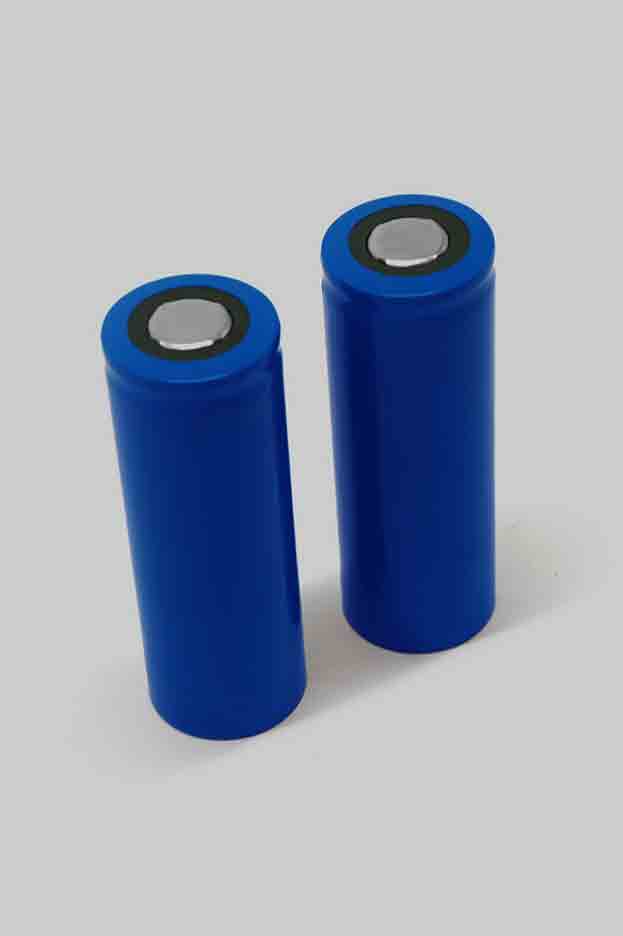
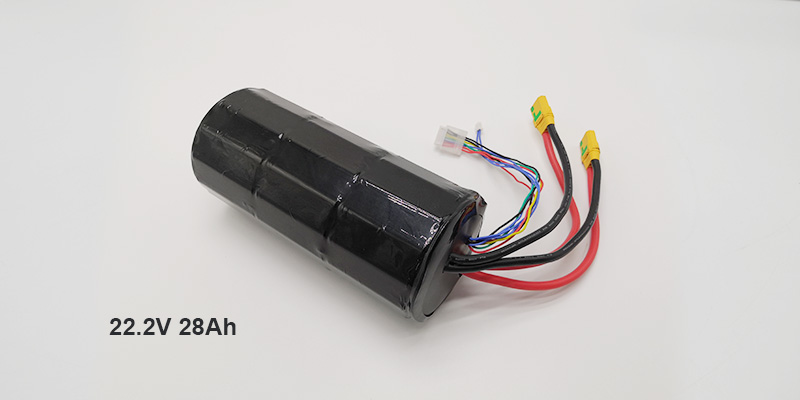
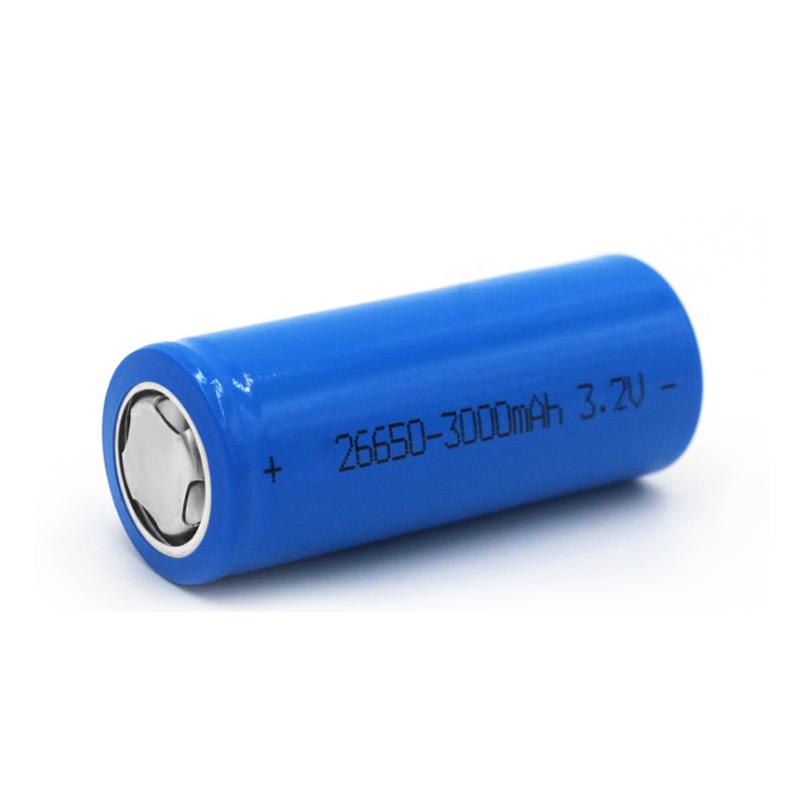
We recently launched a new 12.8V 20Ah LiFePO4 battery pack. Inside, it uses only four large 40135 cells (3.2V 20Ah each) connected in series. This is not a compromise. It is a careful and responsible design choice.

We believe: fewer cells mean higher safety, longer life, and better reliability.

Part 1: Safety Comes from “Less Is More”

The Hidden Risk of Parallel Cells

Many traditional battery packs use many small cells. To get enough capacity, they first connect cells in parallel, then connect groups in series.

This design has hidden risks:

Cell inconsistency
No two cells are exactly the same. Over time, small differences cause internal current between parallel cells. This wastes energy and makes aging faster.

Thermal runaway risk
If one cell overheats, nearby parallel cells may heat up together. The failure can spread very fast, like falling dominoes.

BMS blind spots
The BMS usually checks only the whole group voltage, not each single cell. Early problems are hard to find.

Our Solution: Large Cells, Series Only

We do not use parallel cells.

Our battery uses four large 20Ah cells connected only in series. This brings clear benefits:

No internal current
In a series circuit, all cells carry the same current. There is no internal circulation problem.

Better fault isolation
Each cell is independent. If one cell has an issue, the risk does not spread quickly.

More accurate BMS monitoring
The BMS checks each cell’s voltage and temperature, so small problems can be found early.

In short, we turn a complex system into a clear and safe team, where every cell is visible and controlled.
48v-lithium-batterie

Part 2: More Benefits of Large Cells

1. Better Use of Space

Many small cells need extra space for holders, connectors, and cooling paths. These parts do not store energy.

Large 40135 cells have a high space efficiency. The battery structure is simpler, so more space is used for energy.

Result:

More energy in the same case

Or a smaller and lighter battery for the same energy

2. Better Consistency, Longer Life

A battery pack is limited by its weakest cell.

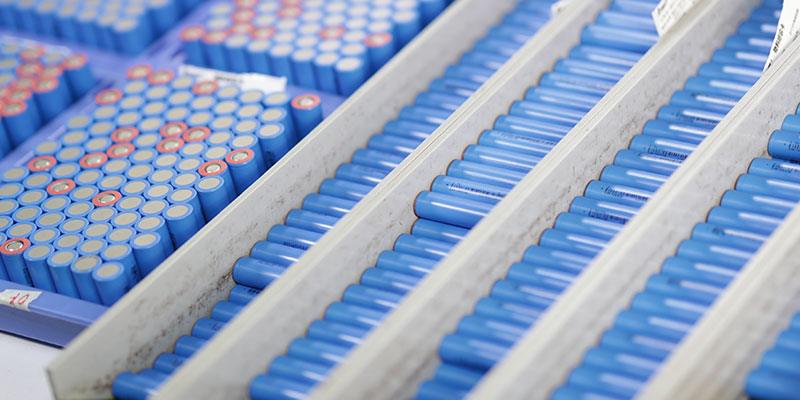
Large cells have more stable production quality. Also, it is much easier to match 4 cells than 16 or more small cells.

With good consistency, no parallel stress, and precise BMS balancing, all cells age at the same speed.
This helps the battery reach over 3000 charge cycles and a long calendar life.

3. Higher Reliability, Lower Cost Over Time

Fewer cells = fewer failure points
Less welding, fewer connections, higher reliability.

Simpler BMS work
No complex parallel balancing, better system stability.

Lower total cost
Even if the initial cost is higher, the long life and low maintenance reduce the total cost over time.

Part 3: Wide Range of Applications

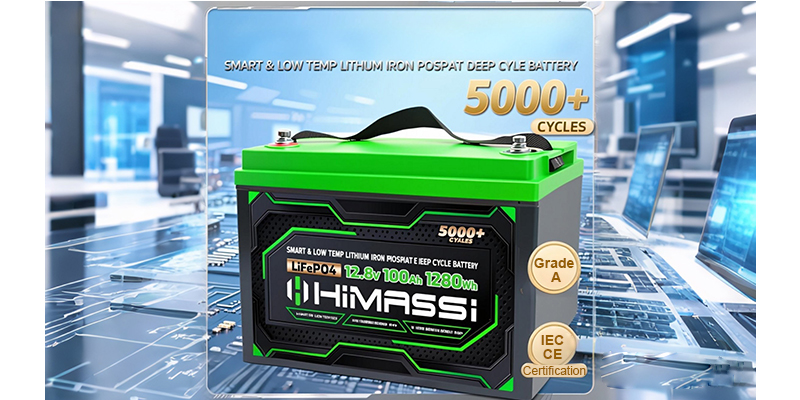
Thanks to its safety, long life, and stability, this 12.8V 20Ah LiFePO4 battery is a perfect replacement for lead-acid batteries.

1. Outdoor and Home Energy

Portable power stations

RV and marine auxiliary power

Home backup power and solar storage

2. Light Electric Vehicles

E-bikes and e-scooters

Electric wheelchairs and mobility scooters

Golf carts and low-speed vehicles

3. Garden and Cleaning Tools

Electric lawn mowers

Cleaning robots and floor machines

4. Commercial and Industrial Use

AGV and mobile robots

Testing instruments and security systems

Emergency lighting and communication backup.

boat-battery-size

Conclusion: Simple Design for a Safer Future

Making systems more complex is easy. Making them simpler and safer needs real engineering thinking.

By using only four large cells, we focus on what truly matters:
safety, reliability, and long-term performance.

A good battery should work quietly and safely in the background—not become a risk.

If you are looking for a safe, long-life, and reliable energy solution, we are happy to discuss with you.


48v-lithium-batterie

The fire resistance and flame retardancy design of lithium battery is an important aspect of ensuring battery safety during use and storage. The electrolyte and other chemicals inside lithium batteries are prone to ignition, especially under conditions such as overcharging, short-circuiting, or impact.


Causes of Fire or Explosion:


Overcharging: When a battery is overcharged, the temperature inside the battery increases rapidly, potentially triggering electrolyte decomposition, which releases flammable gases.


Short Circuit: In the case of a short circuit, the excessive internal current leads to localized overheating, which could cause the electrolyte to decompose or catch fire.


Mechanical Damage: If the battery casing is damaged, causing internal structural failure, electrolyte leakage or thermal runaway could result in a fire.


High Temperature Environments: Prolonged exposure to high temperatures accelerates electrolyte decomposition, increasing the risk of combustion.


To prevent fires and battery explosions, many lithium battery manufacturers and researchers have adopted the following fire-resistant and flame-resistance measures:


1. Improvement of Electrolyte Flame Resistance

Some high-performance lithium batteries use flame-resistance electrolytes or replace liquid electrolytes with solid-state electrolytes. One of the main advantages of solid-state batteries is their low flammability, effectively reducing the risk of fire.


Here are some common types of flammable electrolytes, which mainly refer to electrolyte components that could trigger fires or explosions under uncontrolled conditions:


Organic Solvent-based Electrolytes:

-Dimethyl Carbonate (DMC)

-Ethylene Carbonate (EC)

-Diethyl Carbonate (DEC)

-Propylene Carbonate (PC)

Lithium Fluoride Salts in Electrolytes

Phosphate-based Electrolytes

Chlorine-containing Solvents in Electrolytes

Unstable Electrolyte Formulations


Types of Solid-state Electrolytes

There are several types of solid-state electrolytes, including:


Ceramic-based Electrolytes:

Lithium Lanthanum Zirconate (LLZO)

Lithium Phosphorus Oxynitride (LiPON)

Garnet-type Electrolytes


Polymer-based Electrolytes:

Polyethylene Oxide (PEO)

Polyvinylidene Fluoride (PVDF)


Sulfide-based Electrolytes:

Li2S-P2S5 (Lithium Sulfide-Phosphorus Sulfide)


2. Battery Case and Protective Materials


Flame-resistance Casings: Many lithium batteries use flame-resistance casing materials (such as plastics and aluminum alloys) to enhance the fire resistance of the battery. These casings help to suppress flame spread in case of overheating or short circuits.


For example, following are the plastics materials that has fire resistance:

  1. Polycarbonate (PC)
  2. Polypropylene (PP)
  3. Polyvinyl Chloride (PVC)
  4. Flame-resistanceNylon (PA)
  5. Polyester (PET)
  6. Epoxy Resin (EP)
  7. Polytetrafluoroethylene (PTFE)
  8. Flame-resistanceABS(Acrylonitrile Butadiene Styrene)
  9. Polystyrene (PS)
  10. Polyetheretherketone (PEEK)


Fire-resistant Insulation Materials: Some batteries also use insulation materials inside the battery to prevent the fire from spreading when the battery is exposed to heat.

LiFeo4 12V 150AL Battery

3. Thermal Management System


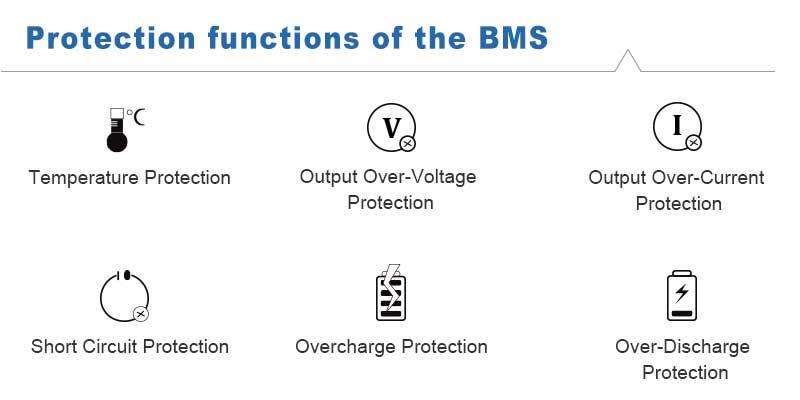
Thermal Management BMS (Battery Management System): Some batteries’ BMS are equipped with thermal management systems that monitor battery temperature in real-time and disconnect the battery in case of overheating to prevent thermal runaway.

Heat Dissipation Design: By designing the battery pack with proper arrangements and ventilation, the risk of battery overheating is reduced.

For example, heat sinks or enhanced ventilation systems are added to ensure heat dissipation.


4. Use of Flame-resistance Additives


Flame resistances (such as phosphate-based compounds or nitrogen-containing compounds) are added to the electrolyte or solid-state electrolyte to improve fire resistance. These flame resistances form a protective layer inside the battery, isolating oxygen and reducing the chance of fire.


5. Thermal Protection Devices


PTC (Positive Temperature Coefficient) Thermal Protectors: These thermal protectors automatically increase resistance when the battery temperature becomes too high, limiting current flow and preventing overheating or short-circuit-induced fires.


Fuses: In the event of overcurrent, fuses automatically disconnect the circuit, cutting off the current to prevent fire.


NTC (Negative Temperature Coefficient) Thermistors : Widely used as thermal protection devices in electronic systems, including batteries, to prevent overheating and ensure the safe operation of devices. NTC thermistors are key components in many Battery Management Systems (BMS) and other thermal protection applications due to their unique characteristics.

6. Thermal Runaway Design


Thermal runaway refers to the rapid increase in temperature caused by internal or external factors (such as overcharging or short circuits), which ultimately leads to a fire. To prevent thermal runaway, some lithium batteries are designed with multiple protective measures, such as internal isolation and built-in heat dissipation channels, ensuring rapid heat dissipation in the event of thermal runaway, preventing the spread of fire.


These fire-resistant and flame-resistance designs effectively improve the safety of lithium batteries during use. However, even with these fire protection measures, proper usage and maintenance are still key to ensuring battery safety. For example, do not expose batteries to high temperatures, avoid overcharging or deep discharging, and prevent mechanical shock to the battery.

bms soc drift

Does this sound familiar? Your Bluetooth app shows 50% battery remaining—yet the device suddenly powers down.

At Himax Electronics, we know exactly how frustrating this feels. You’re using your device with confidence, trusting the battery reading, and then—without warning—it slows down or shuts off. It can be alarming, and it certainly disrupts your day. But the good news is: in most cases, the battery itself is perfectly fine. What’s actually happening is something we call SOC drift—a natural “memory deviation” inside the BMS over time.

Below, we explain why this happens and how a simple weekly full-charge routine can restore accuracy.

bluetooth battery soc

Why Does SOC Become Inaccurate?

SOC (State of Charge) is recorded and calculated by your battery’s BMS. A helpful way to think about it is like a high-end mechanical watch. Over time, tiny environmental influences—like magnetic fields—can slowly affect its accuracy. It’s still a great watch, but it needs to be reset occasionally. Your battery’s SOC estimation works the same way.

bms soc drift

Inside LiFePO4 and NMC battery packs, the BMS constantly manages many parameters. SOC is only one of them, but it’s especially sensitive to long-term variations. The BMS uses voltage, current, temperature, Coulomb counting (ampere-hour integration), and sometimes Kalman filtering to estimate SOC. Under ideal conditions, this is accurate within about ±3%.

However, real-world conditions aren’t ideal. Daily use brings voltage swings, temperature changes, partial charges, and variable loads. These tiny variations build up over days or weeks, causing the displayed SOC to drift from the true value. That’s why your app can still show 40–60% even when the battery is actually close to empty.


The Simple Fix: Calibrate at Full Charge (Continuous charging until 100%).

Fortunately, recalibrating SOC is easy—you just need one full, uninterrupted charge cycle. Here’s the recommended method:

1.Fully discharge the battery.

2.Disconnect all loads and chargers so the pack is out of active use.

3.Let the battery rest for 2–4 hours to stabilize at its true open-circuit voltage (OCV).

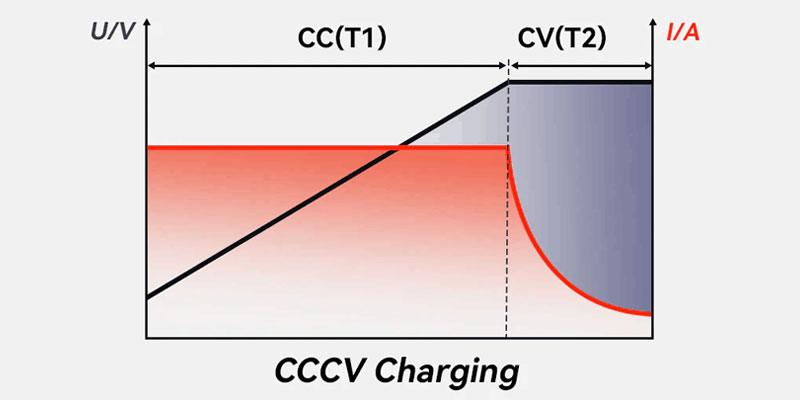
4.Recharge using the correct LiFePO4/NMC CC–CV charger.

5.Charge straight to 100% in one continuous session.

6.After reaching 100%, continue charging for 1–2 additional hours to establish a precise full-charge baseline.


This process resets both the “empty” and “full” energy markers inside the BMS, clearing accumulated drift.

lifepo4 battery calibration

How Often Should You Calibrate?

Our engineering team’s testing shows that, with current BMS technology, SOC accuracy remains stable for about one week after calibration. Because Bluetooth-enabled batteries display SOC directly to users, weekly full charging is currently the most reliable way to maintain accurate readings.

→ We recommend performing one full, uninterrupted charge every week.

It’s simple, practical, and ensures you always know exactly how much power you have.


Why Accurate SOC Matters

Accurate SOC isn’t just a number on a screen—it directly affects your safety, your battery life, and your experience.

1. Protect Your Battery

Preventing deep discharge keeps the cells healthy and preserves long-term capacity.

2. Save Money and Avoid Damage

LiFePO4 batteries can last over a decade when used correctly. But frequent over-discharge accelerates aging, increases internal resistance, and in severe cases can cause swelling or internal short risks.

3. Avoid “Battery Anxiety”

Few things feel worse than expecting plenty of battery, only to be stranded with none. Whether you’re out on the water with a full catch or running critical equipment, accurate SOC prevents unpleasant surprises.


Looking Forward

Himax electronics truly understand how inconvenient SOC drift can be, and we’re not ignoring it. Our engineering team is actively developing more advanced SOC algorithms to reduce drift in future BMS designs.

Your feedback drives our improvements—thank you for your patience and trust. If you ever have questions, or if your battery still seems inaccurate after calibration, please reach out to us at sales@himaxelectronics.com or leave a message. We’re here to help, always.

battery-charger

Parallel battery charging is a convenient way to increase your total battery capacity and extend runtime without boosting voltage. For users in homes, workshops, or construction sites — especially those working with LiPo packs or 12V systems — knowing how to safely use a parallel battery charger can prevent damage, swelling, or even fire risks. This guide walks you through the setup, safety checks, and real-world best practices backed by expert data and trusted authorities.


What Is a Parallel Battery Charger?

battery-charger

A parallel battery charger is designed to charge multiple batteries that are connected in parallel — meaning all positive terminals are joined together, and all negative terminals are joined together.

In this setup:


Voltage remains the same,

Capacity (Ah) adds up, increasing total runtime.


Parallel vs Series — Quick Comparison


Series connection: increases voltage (e.g., two 12V → 24V).

Parallel connection: increases capacity (two 12V 100Ah → still 12V, but 200Ah).

Use parallel charging when you need longer runtime at the same voltage, such as powering solar systems, tools, or drones.


When Should You Use Parallel Charging?

1. Home Backup or Solar Energy Systems


In off-grid solar setups, parallel charging keeps voltage stable while extending storage capacity — perfect for powering appliances longer.


2. Construction Sites and Power Tools


Builders and technicians often parallel-charge tool batteries to keep devices running continuously without downtime.


3. RC & Drone Enthusiasts


For LiPo packs, parallel charging saves time by charging multiple packs at once, provided they’re matched properly.


Always ensure batteries have the same voltage and similar capacity before parallel charging to avoid imbalance or internal short-circuiting.


Before You Start — Safety Checks & Preparation

battery testing

Battery Matching Matters


Only connect batteries that share the same voltage, chemistry, and age. Mixing old and new batteries or Li-ion and LiFePO4 cells can cause dangerous voltage imbalances.


Inspect for Damage or Swelling


If you see puffing or swelling — especially with LiPo batteries — do not charge them. Swollen batteries indicate gas buildup or internal breakdown. According to Battery University

, charging a swollen LiPo can lead to fire or explosion. Dispose of damaged cells immediately through certified e-waste centers.


Work Area Preparation


Charge in a well-ventilated, fire-resistant area. Avoid flammable materials nearby and use a LiPo safety bag for additional protection.


Equipment & Tools You Need


  • A parallel-capable charger (multi-bank or smart LiPo charger).


  • Balance leads or parallel boards for equal voltage distribution.


  • Fuses or circuit breakers to prevent current surge.


  • Correct cable gauge to handle the total current safely.


  • LiPo safety bag or metal charging container.


Step-by-Step: How to Use a Parallel Battery Charger

Step 0 — Preparation


Wear insulated gloves and ensure your workspace is dry, non-conductive, and ventilated.


Step 1 — Match Batteries


All batteries must be the same voltage and state of charge (SoC). Measure with a voltmeter — the difference should not exceed 0.05V per cell for LiPo packs.


Step 2 — Connect Batteries in Parallel


Connect positive to positive, negative to negative using cables of equal length to balance resistance. Secure connections tightly.


Step 3 — Add Balancing Wires or Fuses

Fuse-connection

Use balance leads to equalize cell voltage between packs. Insert a fuse on each positive terminal to isolate a faulty battery if something goes wrong.


Step 4 — Connect the Charger


Attach the charger’s positive and negative leads to the parallel bank, not to each battery separately.


Using multiple chargers on the same parallel bank can cause current backflow and overheating — avoid this practice.


Step 5 — Set the Charger Parameters


Select correct chemistry: Li-ion, LiPo, AGM, or lead-acid.


Set voltage limit: typically 4.2V per cell for LiPo (follow manufacturer specs).


Set charge rate: around 1C or lower for longevity (e.g., 2A for a 2000mAh pack).


Step 6 — Monitor During Charging


Watch for abnormal heat, swelling, or odors. If temperature rises rapidly or a pack inflates, stop immediately and disconnect safely.


Step 7 — Finish & Store


When fully charged, disconnect the charger first, then the batteries. Store LiPo batteries at storage voltage (3.7–3.8V per cell) if not used for a while.


Special Notes for Swollen LiPo Users

battery Recycl

Why LiPo Batteries Swell


Swelling is caused by gas buildup from overcharging, overheating, or internal damage. It’s an irreversible process indicating cell failure.


Never Charge or Compress a Swollen LiPo


Attempting to recharge or flatten a swollen battery can rupture the pouch and ignite flammable electrolytes. The U.S. Consumer Product Safety Commission (CPSC)

advises users to immediately stop use and dispose of such batteries properly.


Safe Disposal


Place the battery in a non-metallic container, cover terminals with tape, and take it to a local hazardous waste collection site. The National Fire Protection Association (NFPA) also provides detailed consumer safety guidelines for lithium-based products.


Common Mistakes & Troubleshooting


❌ Mixing batteries of different voltages or capacities.


❌ Charging each battery with a separate charger while connected in parallel.


❌ Ignoring balance leads — leading to uneven charging.


 If charger shows error or overheat:


Disconnect all batteries.


Check fuse, wiring, and voltage.


Replace any pack with >0.05V deviation.


Best Practices Checklist


✅ Check all batteries for equal voltage and chemistry.

✅ Use fuses and equal-length cables.

✅ Avoid charging swollen or damaged cells.

✅ Charge in a fireproof area.

✅ Monitor constantly — never leave charging unattended.


Recommended Chargers & Accessories


When choosing a charger:


Look for parallel-capable smart chargers with auto-balance and overcurrent protection.


Ensure it supports your battery chemistry (LiPo, LiFePO4, AGM).


Choose trusted brands with UL or CE certifications and safety records.


FAQ


1. Can I charge two 12V batteries in parallel with two chargers?

Usually not. Using two chargers can cause uneven current flow and potential shorting. Use one properly rated charger for the entire parallel bank.


2. My LiPo battery is slightly swollen. Can I still charge it?

No. Even slight swelling means internal damage. Follow safe disposal steps from the CPSC lithium battery safety guide


3. How can I balance batteries when charging in parallel?

Use a parallel balance board or balance wires on your charger to equalize cell voltages. Always verify voltage uniformity before charging.

Thermal expansion-induced ignition

Lithium Polymer (LiPo) batteries are widely used in smartphones, drones, RC vehicles, and home backup power supplies due to their high energy density and lightweight design. However, swollen LiPo batteries can pose serious safety risks, including fire, explosion, or device damage. Understanding why batteries swell, how to identify the signs, and the safest ways to handle and prevent this issue is essential for every user. This guide provides practical tips, real-world examples, and expert advice to help you manage LiPo battery safety effectively.


What Is a Swollen LiPo Battery?

Battery swelling

A swollen LiPo battery, sometimes called a puffed LiPo battery, is a lithium polymer battery that has expanded due to internal chemical reactions. This expansion is often visible as a bulging or rounded shape, and it can occur in various electronic devices, from smartphones and tablets to drones, RC vehicles, and home backup power supplies.


Swelling is not just cosmetic—it indicates that the battery is under stress and may be unsafe to use. Understanding why this happens and how to handle it safely is crucial for both casual users and professionals relying on these batteries.


Why Do LiPo Batteries Swell?


Several factors contribute to LiPo battery swelling, typically linked to internal chemical and physical processes.


Overcharging and Improper Charging


Overcharging is a leading cause of battery swelling. When a LiPo battery is charged beyond its recommended voltage, the electrolyte can start decomposing, releasing gas that increases internal pressure. This can lead to a noticeable puffing effect. According to Battery University

, maintaining the proper charging voltage is key to preventing this issue.


Deep Discharge and Overuse


Discharging a LiPo battery too deeply can also cause swelling. Excessive discharge stresses the internal chemical structure, which may degrade over time, producing gas and heat. For example, drone enthusiasts often report puffing after leaving a battery depleted for extended periods.


Physical Damage or Manufacturing Defects


A battery that has been dropped, punctured, or poorly manufactured may swell even under normal use. Faulty seals or improper welding inside the battery can trigger gas buildup and eventual expansion. Users should always inspect batteries before use to avoid defective units.


Heat Exposure and Poor Storage


High temperatures accelerate electrolyte decomposition. Leaving a LiPo battery in a car under direct sunlight or near heat sources can quickly lead to swelling. Safe storage in a cool, dry environment helps prevent this.


What Are the Risks of a Swollen LiPo Battery?

Thermal expansion-induced ignition


Swollen LiPo batteries are more than just inconvenient—they can be dangerous.


Safety Risks: Increased internal pressure may lead to thermal runaway, resulting in fire or explosion.


Device Damage: Swelling can warp device enclosures, damage connectors, or even harm the motherboard.


Health Hazards: Leaking chemicals can be harmful if inhaled or if they come into contact with skin.


How to Identify a Dangerous Swelling


Look for visible bulges or deformation. Even minor swelling should be treated cautiously. Comparing a normal battery to a puffed one can help you identify subtle changes. Discoloration, unusual odors, or heat during charging are additional warning signs.


What Should You Do If Your LiPo Battery Is Swollen?

Replace the battery

Step 1 – Stop Using It Immediately


Disconnect the battery from any device and do not attempt to recharge or discharge it. Avoid pressing or puncturing the battery, as this can trigger a chemical reaction.


Step 2 – Move the Battery to a Safe Location


Store the swollen battery in a fireproof container or a specialized LiPo safe bag. Keep it away from flammable materials and out of reach of children and pets.


Step 3 – Follow Proper Disposal Procedures


Never dispose of a swollen LiPo battery in regular household waste. Contact local electronic waste recycling centers, such as Call2Recycle

or your local EPA-approved facility (EPA.gov

), to ensure safe disposal.


How to Prevent LiPo Battery Swelling


Preventing swelling is much safer than trying to fix it.


Use a Smart Charger


Always use a charger with balance charging functionality. This ensures each cell is charged safely and evenly, reducing the risk of overcharging and internal gas buildup.


Maintain Proper Storage Conditions


Store batteries at 40–60% state of charge in a cool, dry environment. Avoid high temperatures and long-term storage at full charge.


Regular Inspection and Maintenance


Check batteries for signs of swelling or damage every month. Monitor voltage, record charge cycles, and retire old or degraded batteries promptly.


Tip: Himax offers high-quality LiPo batteries that meet safety standards and include built-in monitoring systems, which help reduce the risk of swelling during use.


Is a Slightly Swollen LiPo Battery Still Usable?


Slight swelling does not always indicate imminent failure, but it does carry risk. Professional assessment or replacement is the safest approach. Testing a mildly swollen battery in short-term, low-stress applications is possible, but users should proceed with caution and never leave the battery unattended.


Should You Try to Fix a Swollen LiPo Battery?


DIY fixes, such as attempting to release the gas, are dangerous and not recommended. The chemical reactions causing swelling are irreversible, and any tampering could trigger fire or explosion. The safest option is to retire the battery and dispose of it properly.


FAQs

1. Can a swollen LiPo battery explode?


Yes. Swelling increases internal pressure, and if the battery is punctured or exposed to heat, it can catch fire or explode. Always treat swollen batteries as potentially dangerous.


2. How long do LiPo batteries typically last?


A well-maintained LiPo battery can last 2–3 years or around 300–500 cycles, depending on usage, charging habits, and storage conditions. Batteries stored improperly or overcharged may fail much sooner.


3. Is swelling covered under warranty?


Coverage depends on the manufacturer. Many warranties do not cover damage from misuse, such as overcharging or improper storage, but defective batteries from manufacturing faults may be eligible. Always check the specific warranty terms.


4. How should I store LiPo batteries for long-term safety?


Store at 40–60% charge, in a cool, dry location, and ideally in a fireproof container. Avoid exposing the battery to sunlight or heat sources.


5. Can I prevent swelling completely?


While careful charging, storage, and monitoring greatly reduce the risk, swelling cannot always be completely prevented due to natural chemical degradation over time. Regular inspection and timely replacement are key.


6. What should I do if my device’s LiPo battery swells during use?


Immediately stop using the device, disconnect the battery if possible, place it in a fireproof container, and arrange for proper disposal. Do not attempt to use, puncture, or recharge the battery.

24V 100Ah agm replacement battery

HIMAX’S 24V 100Ah LIFEPO4 MARINE BATTERY IS REDEFINING RELIABILITY AND PERFORMANCE FOR MODERN ANGLERS

For the dedicated angler, a day on the water is a pursuit of passion, often marred by the persistent, low-frequency hum of a generator or the nagging anxiety of a dying trolling motor battery. The heart of any modern fishing vessel is its electrical system, powering everything from the silent electric trolling motor to the sophisticated fish finders and livewell pumps that are essential for a successful catch. For years, this heart has been powered by heavy, limited lead-acid batteries, a technology with roots in the 19th century. This era is now decisively over. HImax, a leading innovator in advanced energy storage, is spearheading this transformation with its robust 24V 100Ah LiFePO4 (Lithium Iron Phosphate) marine battery, a product engineered specifically to meet the harsh demands of the marine environment and the high expectations of today’s fishermen.

The critical question for boat owners is no longer merely about upgrading, but about how a specific battery technology can fundamentally enhance their entire fishing experience. It is about why the structural and chemical choices made in a battery’s design—such as the decision to use a rigid, protective outer casing as detailed in HImax’s own technical comparisons—are non-negotiable for safety and performance at sea. The shift to LiFePO4 is a paradigm change, moving from a component that is a constant concern to one that is a pillar of reliability.

Why the Outer Casing is a Critical Safety Feature in a Marine Environment

When analyzing battery options, the distinction between a cell with a rigid outer casing and one without is paramount. HImax’s 24V 100Ah battery utilizes a high-grade, ruggedized casing, a design choice that directly addresses the unforgiving nature of the marine world.

In the confined, often wet, and dynamically shifting space of a boat’s bilge or battery compartment, a battery is susceptible to physical impact, vibration, and accidental short-circuiting from shifting tools or loose wiring. A flexible pouch cell, while space-efficient, is vulnerable to puncture and deformation. The rigid metal casing of the HImax LiFePO4 battery provides essential Mechanical Robustness, acting as a shield against these hazards. It protects the sensitive internal jellyroll from impacts that could cause an internal short circuit—a primary failure mode that can lead to thermal runaway.

Furthermore, this casing serves as a crucial Containment Vessel. In the highly improbable event of an internal cell failure, the robust casing helps to contain the effects, preventing a single point of failure from escalating. For an angler miles from shore, often alone on the water, this intrinsic safety-by-design is not a luxury; it is a fundamental requirement. The HImax casing ensures the battery is a self-contained, secure unit, much like the watertight compartments in a hull itself.

How Superior Cycle Life and Depth of Discharge Translate to Uninterrupted Fishing

The chemistry of Lithium Iron Phosphate is the cornerstone of this battery’s legendary longevity. While a high-quality lead-acid or AGM battery might offer 500-800 cycles before its capacity degrades to 80%, the Himassi 24V 100Ah LiFePO4 battery is rated for 3,500 to 5,000 cycles. This translates not to years, but to decades of reliable service for the average weekend angler, effectively making it a one-time investment for the lifespan of the boat.

More critically for a day on the water is the Depth of Discharge (DOD). Lead-acid batteries suffer from rapid degradation if discharged beyond 50% of their capacity. This means a 100Ah lead-acid battery only offers a practical 50Ah of usable energy. The HImax LiFePO4 battery, however, can be safely discharged to 100% of its capacity (and routinely to 80-90% for even longer life) without harm. This effectively doubles or even triples the usable runtime compared to a lead-acid battery of the same nominal rating.

For a fisherman, this means a full day of trolling against the current, running multiple livewell pumps, and powering high-definition sonar and radar units without the slightest concern about depleting the battery to a damaging level. It provides the peace of mind to venture further and stay out longer, knowing the power reserve is both substantial and accessible.

Why Weight Savings and Power Stability are Game-Changers for Vessel Performance

The impact of weight on a boat’s performance is a fundamental principle of naval architecture. A typical 24V 100Ah lead-acid battery bank can weigh over 120 pounds (55 kg). The equivalent HImax LiFePO4 system weighs approximately 50-55 pounds (23-25 kg). This reduction of nearly 70 pounds is transformative.

This dramatic weight saving has a cascading positive effect:

Improved Fuel Efficiency: The main engine uses significantly less fuel to get the boat on plane and to maintain cruising speed.

Enhanced Handling and Stability: A lighter boat is more responsive, planes more easily, and sits higher in the water, improving stability and ride quality.

Increased Payload Capacity: The saved weight can be reallocated to fuel, gear, or an extra passenger.

Beyond weight, the power delivery is superior. Lead-acid batteries experience voltage “sag” as they discharge; as the battery depletes, the voltage drops, causing a trolling motor to lose thrust and electronics to behave erratically. The HImax LiFePO4 battery maintains a consistently high voltage throughout almost its entire discharge cycle. This means a trolling motor delivers full, unwavering power from the first cast until the return to the dock, and all onboard electronics operate with flawless stability.

Himax - Custom lithium battery pack24V 100Ah

How Integration and Intelligent Management Ensure Worry-Free Operation

The “how” of integrating this power source is engineered for simplicity and intelligence. The HImax battery is not just a collection of cells in a case; it is a complete power system. It features an integrated Battery Management System (BMS) that acts as an uninterruptible guardian. This sophisticated system provides:

Cell Balancing: It ensures all individual cells within the 24V pack charge and discharge uniformly, maximizing performance and lifespan.

Multi-Layer Protection: The BMS actively guards against over-charging, over-discharging, over-current, short circuits, and high/low-temperature operation.

Communication Capabilities: Many models offer Bluetooth connectivity, allowing anglers to monitor the battery’s state of charge, health, and power consumption in real-time directly on a smartphone or chartplotter.

This plug-and-play design, with marine-grade terminals, allows for a straightforward installation as a direct replacement for outdated systems or as the core of a new build. Its versatility makes it the single solution for a wide array of marine applications, from providing relentless power to a 24V trolling motor to serving as a robust “house” battery for all onboard electronics and critical systems like bilge pumps.

In the world of recreational fishing, where success and safety are inextricably linked to dependable technology, the standard for power solutions must be uncompromising. The transition to lithium is more than an upgrade; it is a fundamental shift in capability and confidence. By meticulously engineering its 24V 100Ah marine battery around the core principles of safety through a robust outer casing, unparalleled longevity via LiFePO4 chemistry, and practical superiority through lightweight design and stable power output, HImax has established a new benchmark for marine energy. For the modern angler, this battery is more than a component—it is the silent, reliable, and powerful partner that turns a simple boat into a truly capable fishing platform, enabling longer days, more catches, and absolute confidence on the water.


LiFeo4 12V 150AL Battery

At Shenzhen Himax Electronics Co., Ltd., we specialize in providing a wide range of high-quality batteries, including Li-ion, LiFePO4 (Lithium Iron Phosphate), Ni-MH (Nickel-Metal Hydride), and LiPo (Lithium Polymer) batteries. A common consideration for our clients, especially those involved in product integration or DIY projects, is whether to purchase batteries with an outer casing or without one. Understanding the differences between these two options is crucial for selecting the right battery solution for your specific application, ensuring optimal performance, safety, and cost-effectiveness.

  1. Structural Integrity and Physical Protection

The most apparent difference lies in the physical structure and the level of protection offered.

Batteries With an Outer Casing: These batteries, such as standard 18650 Li-ion cells or prismatic LiFePO4 batteries, come enclosed in a rigid metal (typically aluminum or steel) or hard plastic casing. This casing serves as the first line of defense against external physical stress. It provides:

Mechanical Robustness: The casing protects the internal electrodes and separator from impacts, punctures, and crushing forces that could occur during handling, installation, or operation.


Resistance to Deformation: It helps the battery maintain its shape and structural integrity, preventing internal short circuits that can arise from physical damage.


Containment: In the rare event of an internal failure, a robust casing can help contain the effects, enhancing overall safety.


Batteries Without an Outer Casing (or with a flexible casing): LiPo batteries are a prime example of this category. They typically feature a flexible, aluminum-plastic laminated pouch. This design offers a different set of characteristics:


Lightweight and Flexible: The pouch is significantly lighter than a metal can and can be shaped to fit into slim or irregularly shaped spaces, offering superior design flexibility.


Susceptibility to Damage: The trade-off for flexibility is a higher vulnerability to piercing, sharp edges, and excessive flexing. These batteries require careful handling and must be installed in a device that provides its own protective compartment to prevent physical damage.

48v-lithium-batterie

  1. Application and Integration

The choice between cased and uncased batteries is heavily influenced by the target application.

Batteries With an Outer Casing: These are ideal for applications where the battery is a standardized, replaceable component. Examples include:

Consumer electronics (e.g., power tools, laptops, electric scooters) that use cylindrical or prismatic cells.


Energy Storage Systems (ESS) and power banks, where multiple cased cells are assembled into a larger battery pack.


Applications requiring easy replacement and a high degree of mechanical stability.


Batteries Without an Outer Casing: LiPo pouch cells are predominantly used in applications where space, weight, and custom shapes are critical design constraints. Common uses include:

Drones and RC vehicles, where every gram matters.

Ultra-thin smartphones, tablets, and wearable devices.

Custom-built projects where the battery must conform to a specific, non-standard space. In these cases, the end-product’s housing must be designed to protect the battery.

  1. Thermal Management and Heat Dissipation

Thermal performance is a critical factor in battery safety and longevity.

Batteries With an Outer Casing: The metal casing of a cylindrical or prismatic cell acts as a heatsink, helping to distribute and dissipate heat generated during charge and discharge cycles. This can contribute to more stable thermal performance, especially in high-drain applications. However, in tightly packed configurations, thermal management systems are still essential to transfer heat away from the cells.


Batteries Without an Outer Casing: LiPo pouch cells have a larger surface-to-volume ratio compared to cylindrical cells. This can, in theory, allow for more efficient heat transfer to the surrounding environment if properly managed. However, because they lack a rigid metal shell, they are more sensitive to high temperatures. Effective thermal management must be integrated into the device itself, often requiring direct contact with a cooling plate or system.

  1. Cost and Customization Considerations

The economic and design flexibility aspects also differ.

Batteries With an Outer Casing: Standard cased cells like 18650s are mass-produced, leading to cost efficiencies. They are generally less expensive for a given capacity and are readily available. Customization is typically limited to standard sizes and specifications.


Batteries Without an Outer Casing: While pouch cells can be cost-effective, highly customized shapes and sizes may involve non-recurring engineering (NRE) costs for tooling and design. The primary advantage is the unparalleled freedom to create a battery that perfectly fits a unique product design, potentially reducing the overall size and weight of the final device.

48v golf cart battery upgrade

Conclusion

In summary, the decision to purchase a battery with or without an outer casing from Shenzhen Himax Electronics Co., Ltd. hinges on your specific requirements.

Choose batteries with a rigid outer casing (like standard Li-ion or LiFePO4 cells) when your priority is mechanical robustness, ease of assembly into a pack, replaceability, and cost-effectiveness for standardized applications.


Choose batteries with a flexible pouch (like LiPo cells) when your project demands ultra-light weight, a slim profile, or a custom, non-rectangular shape to maximize space utilization, and you have the capability to design a secure and protective housing within your end product.


Our technical team at Shenzhen Himax is always available to provide guidance and help you select the most appropriate and safe battery technology—be it Li-ion, LiFePO4, Ni-MH, or LiPo—for your unique application.


3.7v-lithium-ion-battery

Why Peak Current and Duration Matter in Battery Selection

At HIMAX, we specialize in manufacturing various battery types including lithium-ion, LiFePO4, nickel-metal hydride, and LiPo batteries. To ensure our customers get the optimal power solution for their specific needs, we request them to provide detailed information about peak current requirements and duration when purchasing batteries. This crucial step helps prevent system failures, safety hazards, and premature battery degradation, ultimately saving time and costs while enhancing performance reliability.

Understanding Peak Current and Its Significance

Peak current refers to the maximum current value a battery can deliver in short bursts under specific conditions. This parameter is fundamentally different from standard capacity measurements (Ah), which focus on total energy storage. The duration indicates how long the battery can sustain this peak output without damage or excessive voltage drop.

For instance, some applications like engine starting require very high current bursts (150-350A) for just 15-30 seconds, while other applications such as power tools may need moderate peak currents for longer periods. Without understanding these requirements, we cannot guarantee the battery will perform as expected in actual operation.

boat-battery-size

The Critical Role in Application Performance

  1. Safety Assurance
    Providing adequate peak current specification helps prevent dangerous situations. When a battery is forced to deliver current beyond its designed capability, it can lead to overheating, potential thermal runaway, or even explosion risks. For example, our LiFePO4 batteries inherently feature stable chemical structures with P-O bonds that remain secure even at high temperatures, but pushing them beyond their designed peak current capabilities still compromises this safety advantage.
  2. Performance Optimization
    Different applications demand different peak current profiles. An emergency start battery for vehicles might need to deliver 100C discharge for 3 seconds(where C is the battery’s capacity), while an AGV or traction vehicle might require 600A peak current for 2 seconds. When customers provide these specifics, we can select or customize batteries with appropriate internal construction and chemistry to maintain stable voltage under these loads.
  3. Lifetime and Reliability
    Batteries subjected to regular current surges beyond their design parameters suffer accelerated degradation. By understanding your peak current needs, we can recommend batteries with sufficient headroom. For instance, our high-quality LiFePO4 batteries can typically handle 4C continuous discharge and 2-5C pulse discharge(200-500A for a 100Ah battery), but we need to know your specific peak requirements to ensure the selected battery will maintain its cycle life of over 2000 chargesunder your operating conditions.

How Temperature Affects Peak Current Capability

Battery performance is significantly influenced by temperature, which directly impacts peak current delivery. Research indicates that temperature is a primary factor affecting battery available energy, with different battery chemistries showing varying sensitivity. For example, LiFePO4 batteries are particularly temperature-sensitive, meaning their peak current capability decreases substantially in cold environments.

When you provide information about your operating temperature range alongside peak current requirements, we can recommend appropriate solutions or necessary protections. Some of our batteries specifically designed for high-current applications can operate across a wide temperature range from -20°C to +60°C, but performance characteristics vary within this range.

The Importance of Duration Specifications

The duration of peak current demand is equally important as the amplitude. We categorize peak current durations into:

Ultra-short pulses (milliseconds to a few seconds) for applications like engine starting


Short durations (3-15 seconds) for power tools and emergency systems

Extended peaks (minutes) for special industrial applications

Different battery chemistries and constructions perform differently across these timeframes. For example, some batteries can deliver 100C for 3 seconds but only 30C for 15 seconds. Knowing your duration requirements helps us optimize the battery design to prevent excessive voltage drop or overheating during these critical periods.

Battery Management Systems and Protection

When we understand your peak current requirements, we can incorporate appropriate Battery Management Systems (BMS) with customized protection features. These systems provide overcharge, over-discharge, overcurrent, and short-circuit protection, but need to be calibrated according to your specific peak current profiles. For high-current applications, we implement additional safeguards like temperature control systems and individual cell monitoring to prevent cascading failures.

AED_Battery_Types

Conclusion: Partnership for Optimal Performance

Asking for peak current and duration specifications isn’t just a procedural requirement—it’s fundamental to delivering batteries that perform reliably and safely in your specific applications. This information allows us to leverage our expertise across multiple battery chemistries to recommend the most appropriate solution, whether it’s our safe LiFePO4 batteries with their strong molecular bonds, our high-energy-density lithium-ion batteries, or our reliable nickel-metal hydride batteries.

By partnering with us and sharing these critical parameters, you ensure that the batteries you receive will deliver optimal performance throughout their designed lifespan, preventing unexpected downtime, safety issues, and costly replacements.

For more specific guidance on determining your peak current requirements, please contact our technical team at HIMAX.

lithium battery design process

As a leading battery provider, Himax Electronics understands that selecting the right battery involves more than just voltage and capacity considerations. One critical piece of information we request from our customers is the maximum continuous discharge current of their applications. This parameter is vital for matching the appropriate battery technology to your specific needs.

This article explores why this specification is so important for ensuring optimal performance, safety, and longevity of both your devices and our batteries.

Understanding Maximum Continuous Discharge Current

The maximum continuous discharge current refers to the steady electrical current that a battery can safely deliver over an extended period without suffering damage or creating safety hazards. This is different from peak or pulse current, which represents short bursts of power. Knowing your device’s continuous current requirement helps us recommend whether you need standard lithium-ion, high-rate LiPo, nickel-metal hydride, or lithium iron phosphate batteries.

48v lifepo4 battery with charger

The Critical Role of Discharge Current in Battery Selection

1. Performance Optimization

Different battery technologies offer varying discharge capabilities:

Standard Lithium-ion: Typically supports moderate discharge rates, often around 1-2C (where C refers to the battery’s capacity). Suitable for everyday electronics.

High-Rate LiPo Batteries: Specifically designed for high-drain applications, with some capable of 25C continuous discharge and 50C burst rates. Ideal for drones, high-performance RC vehicles, and power tools.

Phosphorus Iron Lithium (LiFePO4): Known for excellent high-rate capability, with some emergency start batteries supporting up to 100C discharge for short durations.

Nickel-Metal Hydride (NiMH): Modern NiMH batteries can offer 3-5C continuous discharge rates, suitable for various power-intensive applications.

Matching your current requirements to the appropriate battery technology ensures your device operates at peak performance without power starvation.

2. Safety Considerations

Exceeding a battery’s safe discharge parameters can lead to overheating, damage, or safety hazards. When a battery is forced to deliver current beyond its design specifications:

Internal temperature rises excessively, potentially causing thermal runaway

Permanent capacity loss occurs due to electrode damage

In extreme cases, battery swelling, leakage, or fire may result

We prioritize safety through appropriate battery matching rather than relying solely on protection circuits, which the battery industry acknowledges “may not always work” in every scenario.

3. Battery Lifetime and Durability

Using batteries within their specified discharge parameters significantly extends their service life. High-rate discharge, especially when beyond the battery’s rating, accelerates degradation through:

Increased internal heat generation, causing premature aging

Accelerated capacity fade over fewer cycles

Physical stress on internal components


For instance, high-rate LiPo batteries maintained according to specifications can retain 95% of their capacity after 100 cycles. Proper current matching ensures you get the maximum lifespan from your battery investment.

4. Avoiding Incompatibility Issues

Providing accurate current requirements helps prevent these common problems:

Voltage Sag: High current draws cause temporary voltage drops, potentially triggering low-voltage cutoff in devices even when batteries are sufficiently charged

Runtime Disappointment: Actual capacity delivered at high discharge rates may be significantly lower than rated capacity

Device Malfunction: Power starvation can cause unexpected resets or performance throttling

himassi-48v-100ah-battery

How Himax Electronics Uses This Information

At Himax Electronics, we analyze your maximum continuous discharge current requirement to:

Recommend the most suitable battery technology from our diverse portfolio

Design battery packs with appropriate current-handling capabilities

Suggest optimal operating parameters for maximum performance and longevity

Prevent potential safety issues associated with mismatched components

Practical Guidance for Customers

To determine your device’s maximum continuous discharge current:

Consult your device manufacturer’s specifications

Use a clamp meter to measure actual current draw during operation

When in doubt, overestimate rather than underestimate your requirements

Consider both continuous and peak current needs

For applications with variable loads, provide us with detailed usage patterns so we can recommend the most appropriate solution.

Conclusion

Providing accurate maximum continuous discharge current information is not just a technical formality—it’s a critical step in ensuring the success of your power-dependent products. At Himax Electronics, we use this information to deliver safe, reliable, and optimized battery solutions that enhance your device’s performance and user satisfaction.

Contact Himax Electronics today to discuss your specific battery requirements and discover how our technical expertise can power your innovations safely and efficiently.

18650-battery-pack

When selecting or designing a lithium battery, one of the most important technical factors to understand is the discharge current — both continuous and instantaneous (peak). These parameters directly affect how your battery performs, how long it lasts, and how safely it operates.

At Shenzhen Himax Electronics Co., Ltd., we often emphasize to our customers that understanding discharge current ratings is just as critical as knowing the voltage or capacity. It’s the key to ensuring that the battery truly matches your system’s real power demands.

1. What Continuous and Instantaneous Discharge Current Mean

Continuous discharge current refers to the maximum current a battery can safely deliver on an ongoing basis without overheating or causing damage to its internal structure.

Instantaneous (or peak) discharge current describes the maximum short-term current the battery can deliver, typically for a few seconds, to handle sudden surges such as motor start-ups or load spikes.

In simple terms:

Continuous = the normal, stable power output

Instantaneous = the short burst of extra power

Understanding both ensures your equipment performs smoothly and safely under all operating conditions.

2. Why Knowing These Values Matters

(1) Ensures Proper Performance

If a device demands more current than the battery can continuously provide, voltage will drop and the system may shut down or restart unexpectedly. This is especially common in high-load applications like robotics, electric tools, and e-bikes.
At Himax, our engineers always help customers match the discharge current rating precisely to their load requirements to ensure consistent performance.

(2) Protects Against Overheating and Safety Risks

When a battery is forced to deliver more than its rated continuous current, it generates excess heat. This can cause the cells to swell, degrade, or in extreme cases, lead to safety hazards.
By knowing both continuous and instantaneous limits, you can design protection systems and select appropriate Battery Management Systems (BMS) to prevent thermal damage and maintain long-term reliability.


(3) Extends Battery Lifespan

Running a battery too close to its maximum discharge limit accelerates aging. The internal chemistry deteriorates faster, leading to reduced capacity and shorter cycle life.
At Shenzhen Himax Electronics Co., Ltd., we use high-quality 18650 and 21700 cells to ensure that our lithium battery packs maintain stable discharge performance even under demanding conditions.

(4) Helps Optimize System Design

Understanding discharge behavior allows engineers to properly size cables, choose suitable connectors, and configure the BMS. It also supports better thermal design, ensuring the system remains cool and efficient during heavy load.
This data is particularly useful for integrators working on custom lithium battery packs for robotics, energy storage, or industrial automation — core areas where Himax specializes.

(5) Duration Time is Just as Important

The time that a battery can sustain its peak current matters. For example, a motor might draw 80A for just a few seconds when starting up, then stabilize at 20A during normal operation.
A high-quality lithium battery from Shenzhen Himax Electronics Co., Ltd. is designed to handle these short bursts of high current without triggering protection circuits or overheating — something that cheaper batteries often struggle with.


3.Summary Table

Parameter Description Why It Matters
Continuous Discharge Current The steady current a battery can safely supply Ensures reliable performance and safety
Instantaneous Discharge Current The short-term maximum current for peak loads Prevents voltage drops during surges
Duration Time How long peak current can be maintained Guarantees stability under dynamic conditions

custom lithium battery

4. Final Thoughts

Understanding the continuous and instantaneous discharge current — and their duration — is not just about technical precision; it’s about safety, reliability, and real-world performance. Whether you’re powering an industrial robot, a smart mobility device, or an energy storage system, choosing the right discharge capability ensures your project operates smoothly and efficiently.

At Shenzhen Himax Electronics Co., Ltd., we design and manufacture high-performance lithium-ion battery packs tailored to each customer’s power requirements. Our engineering team can help you select or customize the ideal solution with the correct discharge ratings, ensuring your system gets the performance and safety it deserves.