Why Is One Battery Quote Higher than Another? The “Hidden” Specs Behind the Label
In the battery industry, transparency is often a double-edged sword. On the surface, two battery packs might look identical on a datasheet: 11.1V, 3000mAh, Li-ion. However, one quote comes in at $9, while another is $13.
If the capacity and voltage are the same, why the massive price gap? The answer usually lies in what’s happening inside the shrink wrap.
The Anatomy of a Price Difference: A Real-World Example
We recently consulted for a client requiring an 11.1V 3000mAh pack for a high-drain application needing a 10A continuous discharge.
The “Low-Cost” Quote: Used standard Chinese-brand cells designed for low-drain electronics.
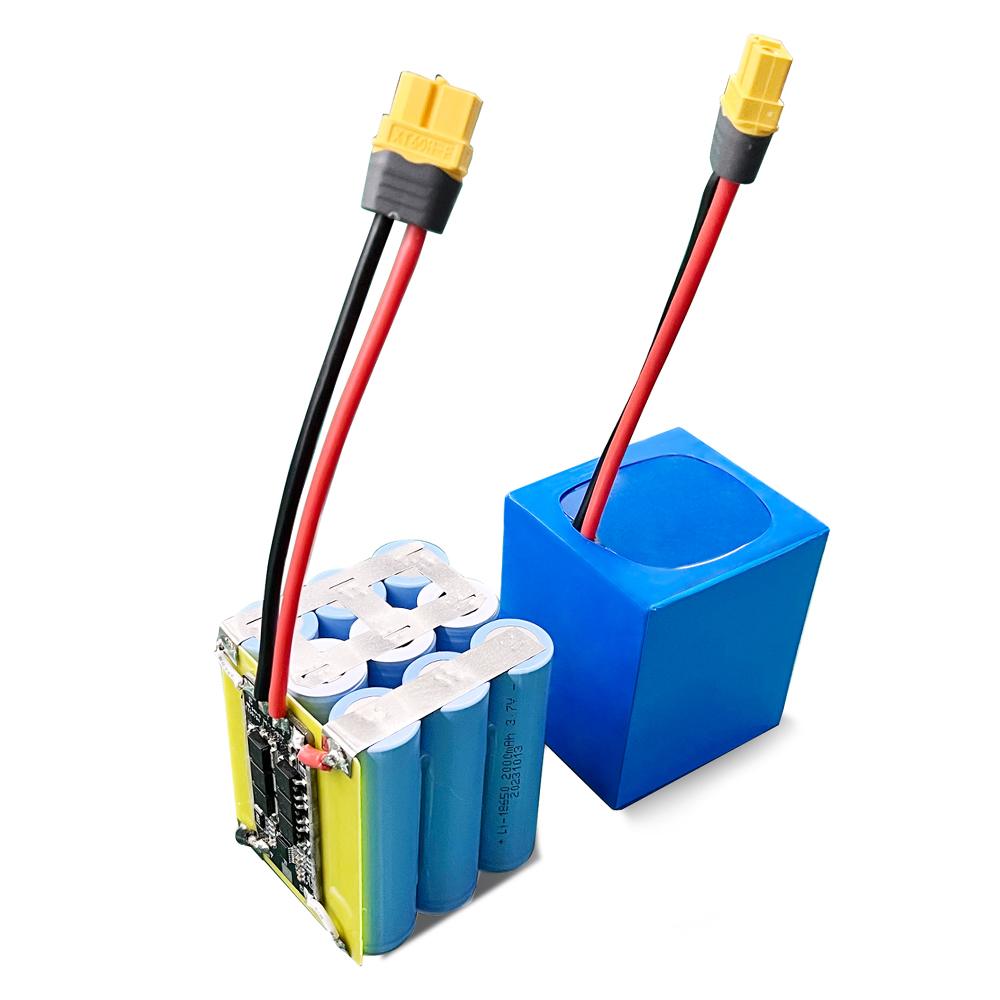
Our Solution: We utilized Samsung 30Q (5C high-rate) cells paired with a custom-engineered PCM (Protection Circuit Module) capable of handling sustained high currents without overheating.
The “cheaper” battery wasn’t just a bargain—it was a technical failure waiting to happen. Using a low-rate cell for a 10A application leads to voltage sag, excessive heat, and a drastically shortened cycle life.
Factors That Actually Drive Battery Costs
-
Cell Origin and Discharge Rate (C-Rating)
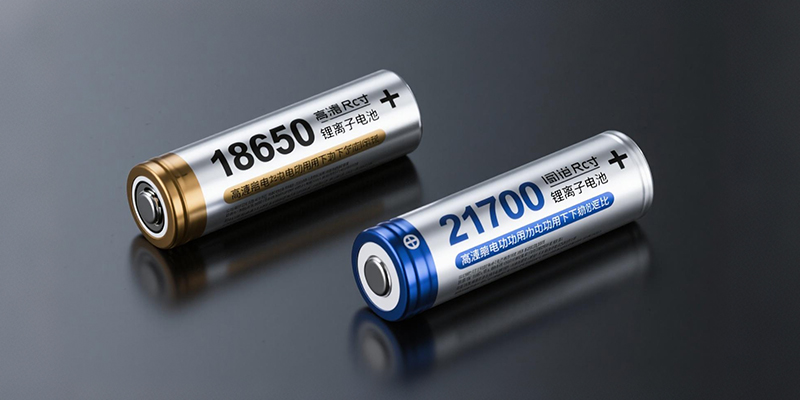
Not all 3000mAh cells are created equal. A “Tier 1” cell (like Samsung, LG, or Panasonic/Sanyo) offers consistency and safety that budget cells cannot match. More importantly, high-discharge cells (5C, 10C, or higher) require more sophisticated internal chemistry and materials, which naturally increases the cost compared to standard cells used in low-power devices like flashlights.
-
The PCM/BMS: The Brain of the Battery
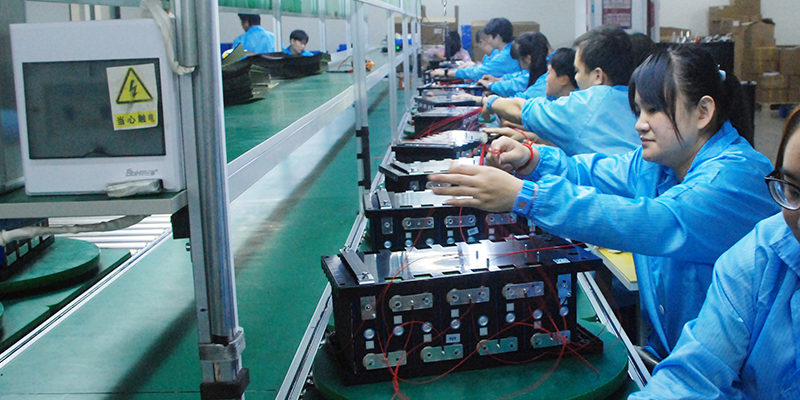
A cheap protection board might only offer basic overcharge protection. A professional-grade, custom PCM ensures the battery can handle specific peak currents, manages thermal dissipation, and prevents the pack from shutting down prematurely under load. Cutting costs here is the leading cause of “dead on arrival” products in the field.
-
True Testing vs. Paper Specs
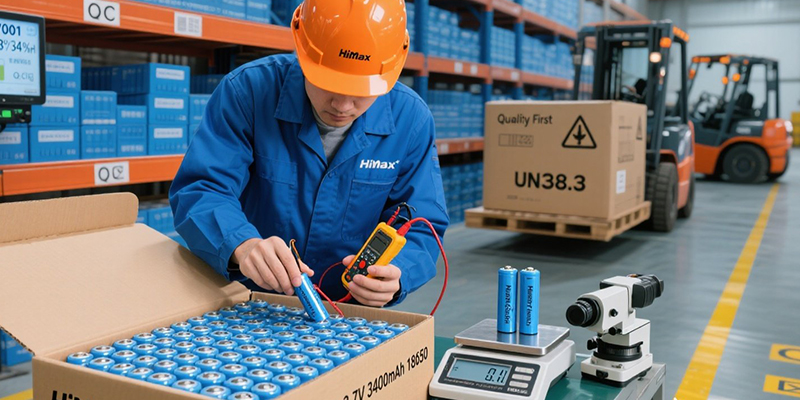
Low-cost suppliers often quote “theoretical” capacities. A professional factory tests every batch under real-world load conditions to ensure that if we promise 10A, the battery delivers 10A safely until the end of the discharge cycle.
Why “Cheap” Is Often More Expensive
Choosing a supplier based solely on the lowest quote often leads to a “hidden” tax:
Wasted R&D Time: Testing a low-quality sample only to have it fail during your pilot phase.
Reputational Damage: If a battery fails in your customer’s hands, the cost of a recall or a bad review far outweighs the several dollars saved per unit.
Shipping & Lab Costs: Repeatedly shipping samples for re-testing is a drain on both your budget and your project timeline.
Our Advice: Be Specific to Stay Competitive
To get the most accurate and competitive quote, we recommend being as transparent as possible with your supplier from Day 1:
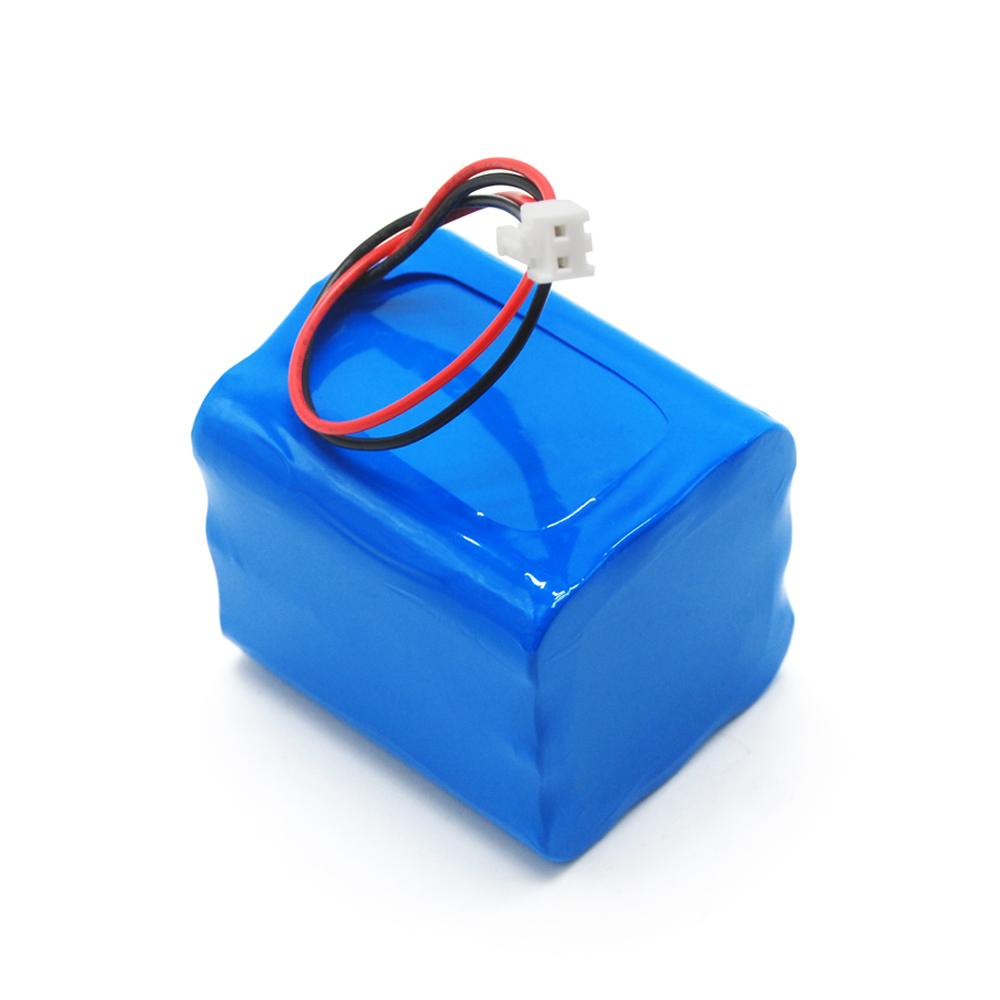
Define your Continuous and Peak Discharge Current.
Specify if you have a brand preference for cells (or if you are open to high-quality domestic alternatives).
Outline your operating environment (Temperature, vibration, etc.).
At HIMAX, we don’t just sell batteries; we provide power insurance. By confirming your exact specifications upfront, we ensure that the first sample you test is the only sample you’ll need to approve.