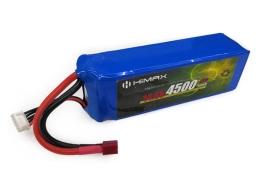
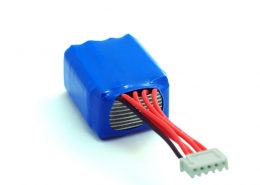
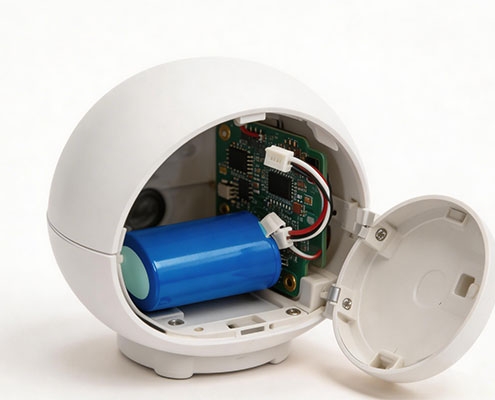
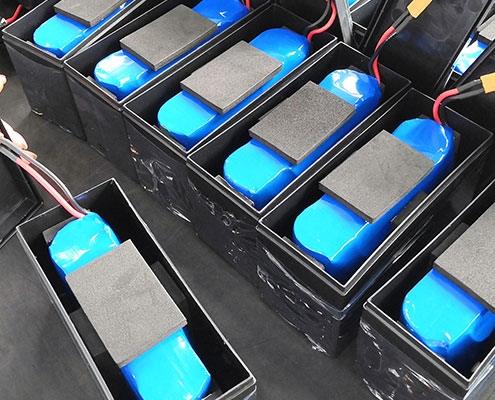
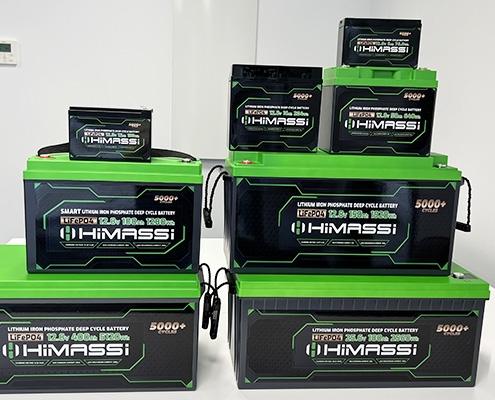
1.BATTERY SYSTEMS ENGINEERED FOR HIGH-LOAD LIGHTING APPLICATIONS

Emergency work lights typically operate within 30W–150W power ranges, requiring battery systems capable of delivering continuous current while maintaining voltage stability. In practice, performance degradation often originates from internal resistance rise and thermal accumulation rather than nominal capacity limits.
Our battery design focuses on:
- Continuous discharge capability (10A–30A) → supports 3,000–10,000 lumen systems
- Voltage stability (12V / 24V platforms) → prevents brightness fluctuation
- Energy range (200Wh–600Wh typical) → aligned with 3–6 hour runtime
- Low internal resistance architecture → reducing heat buildup
→ Contact us to match discharge profile with your lighting system.
2.Safety Architecture for Field Deployment
Emergency lighting is often used in uncontrolled and risk-sensitive environments, where battery safety directly impacts visibility and operator safety. Industry practices emphasize layered protection and material reliability.
Key safety design elements include:
- Multi-layer BMS protection (OVP / UVP / OCP / SCP)
- Flame-retardant housing materials (UL94 V-0 reference)
- Reinforced connectors for vibration-prone environments
- Compliance-ready design supporting UN38.3, CE, RoHS, IEC 62133
→ Request safety documentation aligned with your market requirements.
3.Thermal Performance Under Continuous Load
Thermal behavior is a critical constraint in high-lumen lighting systems. Public technical data indicates that lithium batteries experience accelerated degradation above 50–60°C, affecting both capacity retention and output stability.
Himax battery systems are designed for:
- Operating range: -20°C to 60°C
- Optimized heat dissipation through pack design
- Stable discharge under enclosed or semi-ventilated conditions
- Enhanced thermal tolerance (dependent on cell selection and validation)
→ Ask for thermal validation data based on your usage scenario.
4.OEM & ODM Custom Battery Development
mergency work light designs vary in form factor, power demand, and mobility requirements, making standardized battery packs insufficient for optimal performance.
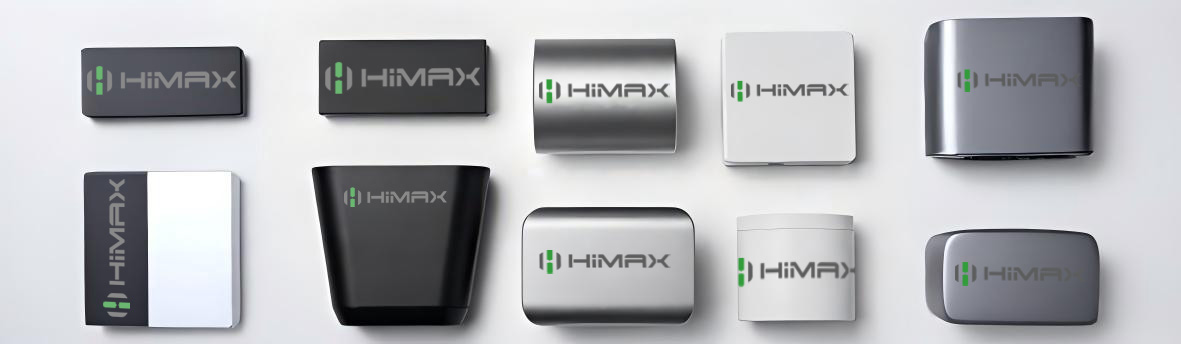
Customization options include:
- Voltage: 7.4V / 11.1V / 12.8V / 24V
- Capacity: 5Ah–50Ah+ scalable
- Cell chemistry: Li-ion or LiFePO4
- Structural integration for portable or fixed systems
- BMS parameter optimization for runtime and protection
→ Share your product parameters for engineering evaluation.
5.Scalable Manufacturing & Quality Assurance
Emergency lighting products are often deployed in batch-based procurement projects, requiring stable quality and predictable supply performance.
Manufacturing capabilities:
- Automated cell matching and pack assembly
- In-line QC and aging validation
- Batch-level traceability
- Stable production yield for OEM scaling
→ Contact us to evaluate supply capacity.
6.Global Logistics & Compliance Support
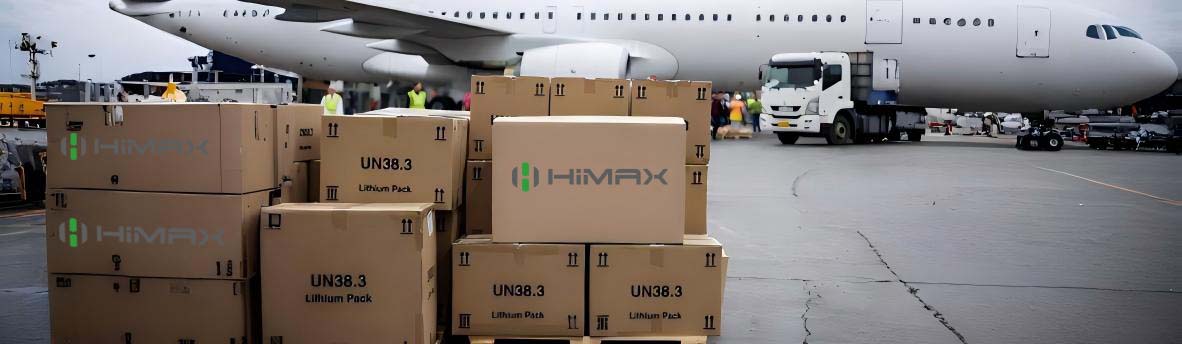
Lithium battery transport must comply with international hazardous goods regulations.
We support:
- UN38.3-certified packaging
- Multi-mode shipping (air / sea / land)
- Export documentation assistance
- Bulk packaging for assembly integration
→ Discuss logistics planning with our team.
7.Frequently Asked Questions
Q1: What battery type is suitable for high-lumen emergency work lights?
Li-ion is widely used for compact systems, while LiFePO4 is preferred in industrial environments due to higher thermal stability and longer cycle life under continuous operation.
Q2: How is battery capacity determined?
Capacity is calculated based on power consumption × runtime. Typical systems fall within 200Wh–600Wh, depending on brightness and usage duration.
Q3: Can lithium batteries handle high-temperature environments?
Standard systems operate up to ~60°C, while enhanced designs can tolerate higher short-term exposure depending on configuration and testing conditions.
Q4: Why is voltage stability important?
LED output is directly influenced by voltage. Instability leads to brightness fluctuation, making low internal resistance design essential.
Q5: What certifications are required?
Typical certifications include UN38.3, CE, RoHS, IEC 62133, ensuring compliance in global markets.