1.BATTERY ARCHITECTURES ENGINEERED FOR PORTABLE THERMAL APPLIANCES
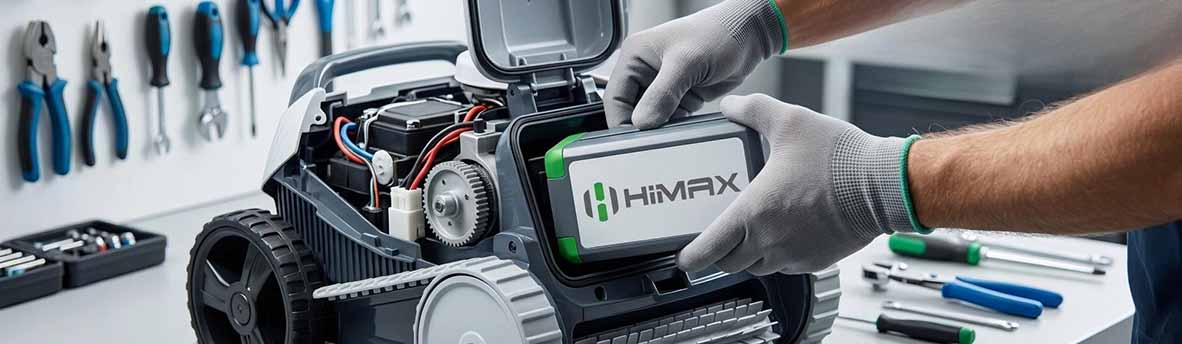
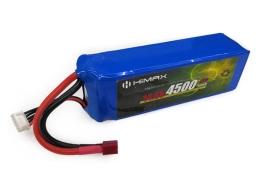
Portable electric lunch boxes demand a delicate engineering balance. Unlike standard consumer electronics, these devices require sustained power delivery to drive resistive heating elements, all while confined within aggressively restricted spatial footprints. At Himax, we develop tailored lithium-ion configurations that seamlessly integrate into compact appliance housings without cannibalizing usable food space.
Our specialized electric lunch box batteries are engineered to deliver:
- Ultra-slim geometric footprints tailored to fit narrow structural cavities, maximizing the consumer’s food storage volume.
- Sustained high-current discharge capabilities (up to 10A continuous) to power through primary heating phases without experiencing voltage sag.
- Intelligent thermal protection barriers ensuring the battery remains isolated and stable while the appliance generates high internal temperatures.
- Optimized energy density combinations allowing for multiple complete heating cycles on a single, rapid charge.
By meticulously analyzing the thermal ramping curves and spatial limitations of portable kitchen appliances, we empower manufacturers to elevate product aesthetics and functional reliability.
→ Send us your internal housing dimensions to receive a high-density, space-saving battery proposal.
2.Appliance-Grade Safety and Rigorous Compliance Standard
Consumer safety is the foundational prerequisite for any food-heating appliance. Recognizing the thermal stresses inherent in these devices, Himax batteries are constructed with robust thermal management architectures and stringent consumer appliance safety protocols.
Core safety protocols and protective measures include:
- Full compliance with global electronic standards, ensuring seamless integration with CE, UN38.3, UL, and RoHS requirements.
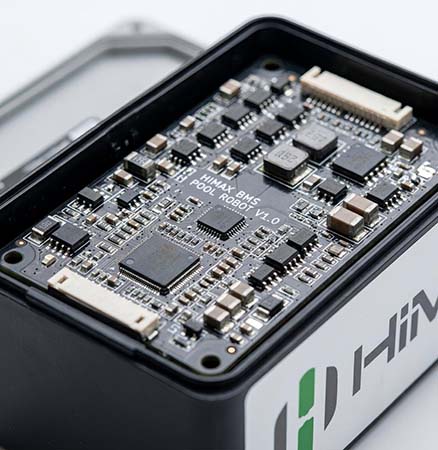
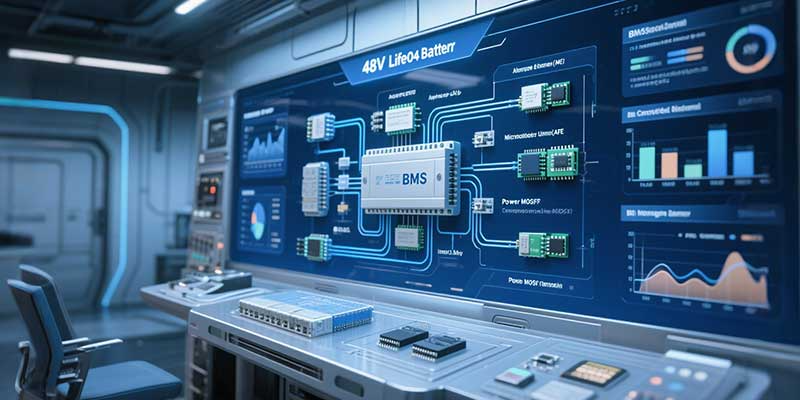
- Advanced multi-tier BMS integration, featuring highly responsive over-temperature cutoffs, short-circuit prevention, and over-discharge protection during daily use.
- Precision cell matching technology to ensure uniform internal resistance, mitigating localized heat generation within the battery pack itself.
- Customized heat-resistant shrink wrapping and structural enclosures to shield power cells from adjacent heating elements.
We supply comprehensive technical documentation alongside independent testing reports, actively streamlining your path to international market certification.
→ Request a complete set of safety testing documents tailored for portable culinary appliances.
3.Proven Performance in Spatially Constrained Environments
Theoretical capacity means little if a battery cannot sustain reliable heating under real-world conditions. Moving beyond static laboratory benchmarks, Himax evaluates power packs against dynamic appliance operating cycles. A recent collaboration with a major portable appliance manufacturer perfectly illustrates this approach.
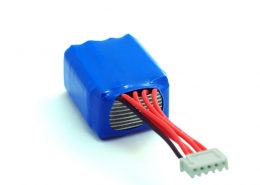
Faced with severe installation space limitations, our engineering team developed a customized 7.4V 8Ah Lithium-ion pack utilizing a streamlined 2S4P configuration (18650 2000mAh cells). Confined to maximum dimensions of just 149 × 20.5 × 73 mm, this unit successfully maintained a 10A continuous discharge current.
Measurable advantages from this field-tested configuration include:
- Reliable and consistent heating performance driven by a highly stable discharge curve.
- Expanded functional internal volume, directly enhancing the end-user’s culinary experience by freeing up critical food storage space.
- Reduced mass production risks, providing a proven, structurally sound power architecture ready for immediate scaling.
Our precision-engineered power modules guarantee dependable functionality, bridging the gap between compact design and high-performance heating.
→ Ask our engineers for the discharge curve data associated with this 7.4V 8Ah lunch box configuration.
4.Flexible OEM & ODM Structural Customization
Himax delivers highly adaptable customization services for portable appliance designers, managing the entire lifecycle from early-stage spatial prototyping to high-volume commercial production.
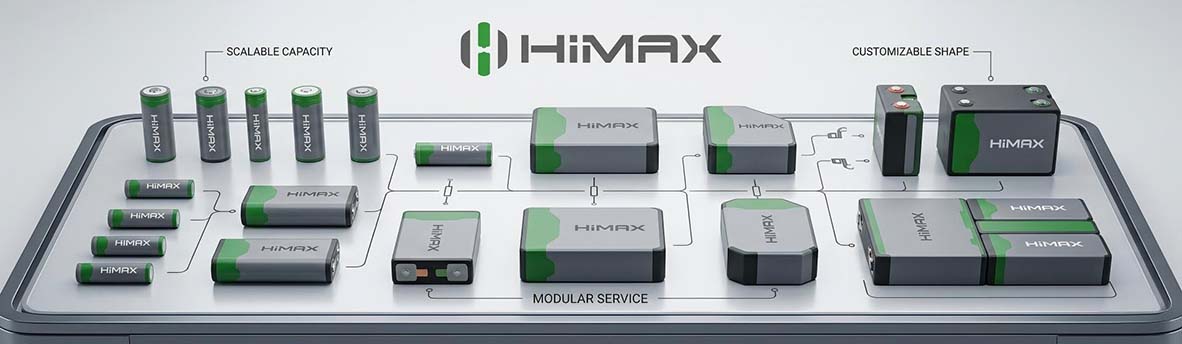
Bespoke customization options encompass:
- Application-specific voltage and capacity mapping (e.g., 7.4V, 11.1V arrays) designed around your specific heating element requirements.
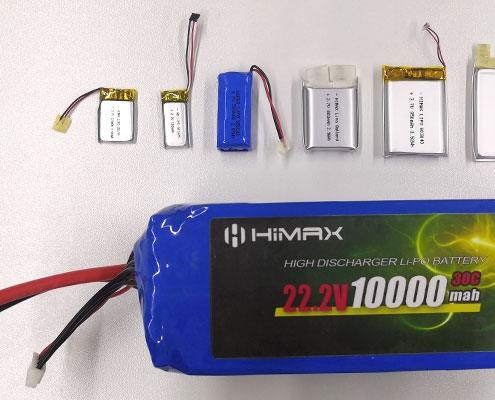
- Advanced topological configurations (flat, stacked, or irregular arrays) to exploit every millimeter of available internal space.
- Custom wiring harnesses and high-temperature resistant connectors ensuring secure, long-lasting internal mating.
- Targeted Smart BMS parameter tuning to precisely align with your appliance’s specific heating algorithms and user interfaces.
Operating as an extension of your internal R&D division, we iterate power solutions that fit flawlessly into your mechanical blueprints.
→ Share your preliminary CAD drawings to initiate a custom battery structural analysis.
5.Scalable Manufacturing Driven by Traceable Quality Metrics
Our portable appliance batteries are manufactured within tightly controlled, automated environments, utilizing full-component traceability to support the rapid production cycles of the consumer electronics market.
Critical manufacturing advantages:
- Automated cell sorting and internal resistance matching, establishing the foundation for consistent thermal output.
- Real-time, in-process electronic load testing to verify the integrity of every customized BMS board before final assembly.
- Comprehensive batch-level traceability, allowing granular tracking from individual cell chemistry to the finalized, packaged module.
- Highly dependable yield rates, engineered to absorb and fulfill sudden peaks in global consumer demand.
This systematic approach minimizes procurement friction, ensures absolute product uniformity, and accelerates your manufacturing timeline.
→ Contact our logistics team to discuss how our automated production lines can support your next product launch.
6.Global Logistics Support for Consumer Appliance Power
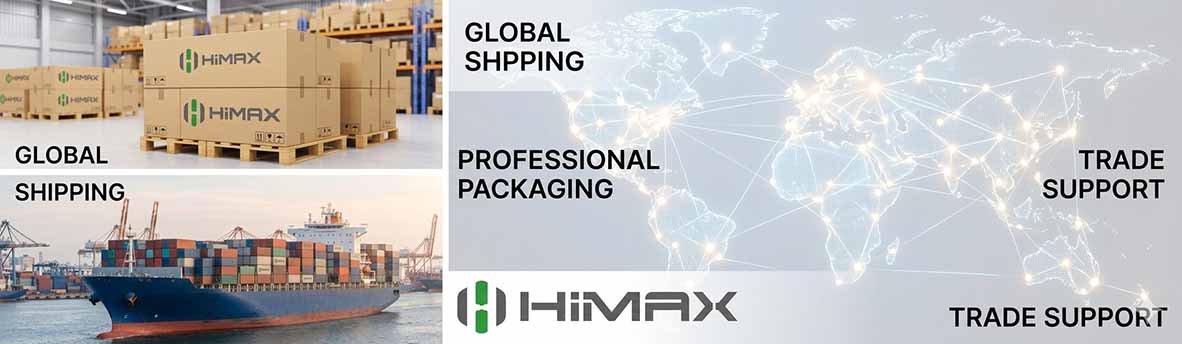
Shipping integrated lithium solutions requires meticulous adherence to international regulatory frameworks. We streamline global distribution for high-density appliance batteries, ensuring entirely compliant and uninterrupted supply chains.
Our dedicated logistics framework provides:
- UN38.3-certified protective packaging protocols specifically designed for high-density lithium-ion modules.
- Strategic coordination for air, sea, and expedited ground transit, tailored to your assembly schedules.
- Expert navigation of complex battery export customs declarations, eliminating border delays.
- Bulk packaging configurations optimized for direct integration onto your final appliance assembly lines.
→ Discuss optimized, compliance-assured delivery routes for your manufacturing facilities with our logistics experts.
7.Frequently Asked Questions
Q1: What cell chemistry is optimal for battery-powered electric lunch boxes?
Lithium-ion (Li-ion) cells, particularly high-quality 18650 or 21700 formats, are heavily favored. They offer the superior energy density necessary to fit into highly restricted device housings while still delivering the continuous current required by resistive heating components.
Q2: How does Himax address the severe internal space constraints of these appliances?
We utilize customized spatial layouts, such as specialized flat or linear multi-cell arrays (e.g., precise 2S4P configurations). By manipulating the geometric arrangement of the cells and utilizing ultra-compact BMS boards, we minimize the battery footprint to maximize your product’s food capacity.
Q3: Are these appliance battery packs certified for major international markets?
Absolutely. Our packs are explicitly engineered to pass rigorous consumer safety protocols, including CE, UN38.3, UL, and RoHS directives. We provide all essential testing documentation to facilitate rapid market entry.
Q4: What are the standard Minimum Order Quantities (MOQs) for custom lunch box batteries?
MOQ structures are highly dependent on the selected cell chemistry and the specific geometric complexity of the pack. We operate with flexible scaling options to comfortably accommodate OEM appliance projects from pilot runs to mass market release.
Q5: Can the internal Battery Management System (BMS) integrate with our device’s heating thermostat?
Yes. Our R&D engineers collaborate closely with your hardware teams to ensure flawless electronic communication, allowing the BMS to act in concert with your appliance’s internal thermal sensors for enhanced user safety.