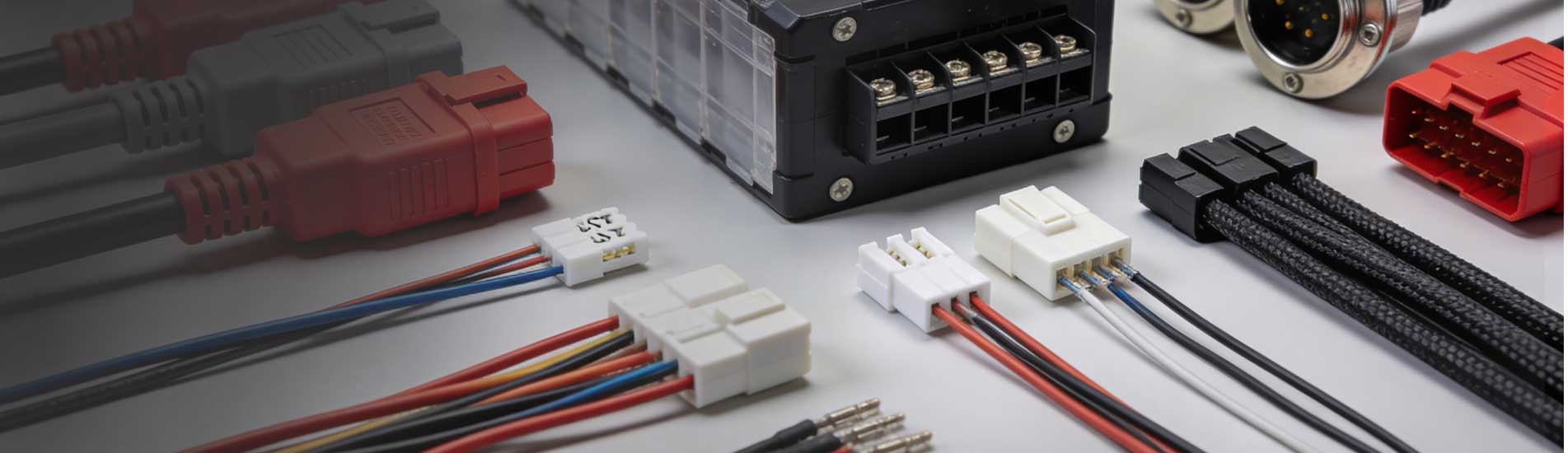
Why Connectors and Cable Harnesses Decide Reliability, Safety, and Assembly Efficiency
Hello, I’m Shawn, senior electrical and interconnection engineer at Himax Electronics.
When people talk about battery systems, they usually focus on cells, capacity, or BMS features. But in real products, many failures don’t come from the battery itself—they come from something much smaller:
connectors and cable harnesses.
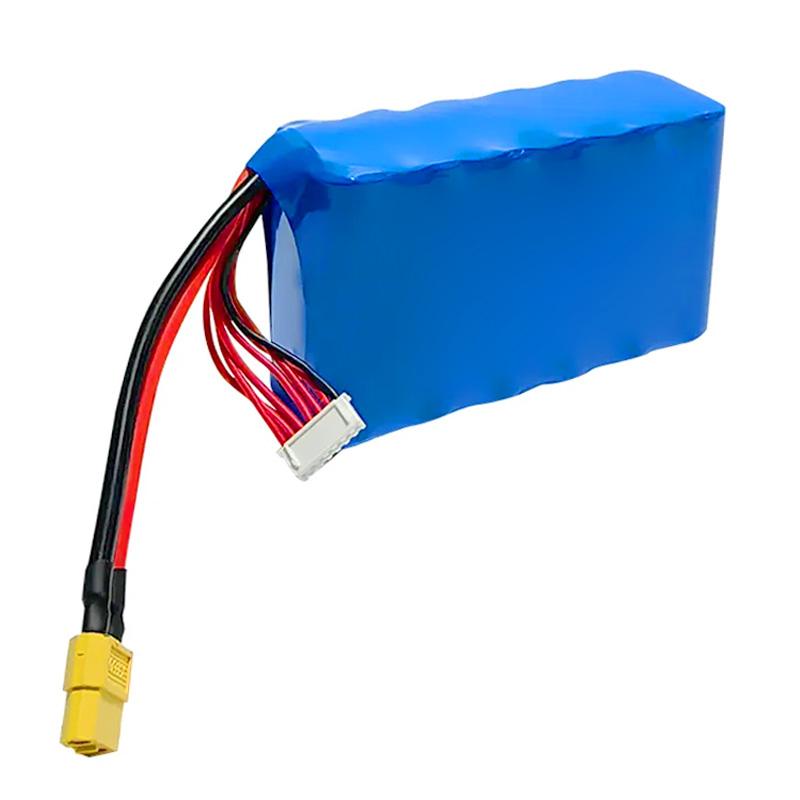
These components are the arteries and joints of your battery system. They carry power and signals, absorb vibration, tolerate heat, and endure thousands of assembly or service operations. When they are poorly chosen, even the best battery design can fail.
Common problems we see in real products
Let me start with issues customers often describe to us:
- After a few plug-and-unplug cycles, the connector becomes loose and intermittent
- Under high current, the connector gets hot or even discolors
- Cables are too long, too stiff, or poorly routed, making assembly difficult
- Internal wiring rubs against moving parts, creating noise or long-term damage
These problems may look small, but they usually point to one root cause:
connectors and harnesses were treated as generic “standard parts,” not engineered components.
At Himax, we take a very different approach.
Our commitment: acting as your “electrical connection architect”
We don’t aim for “probably good enough.”
Our role is to design the entire electrical connection path between the battery and your device so that:
- Power flows efficiently
- Heat is minimized
- Connections remain secure over time
- Assembly is fast and repeatable
Let’s walk through how we do this in practice.
1. Connector selection: choosing a safe and reliable interface
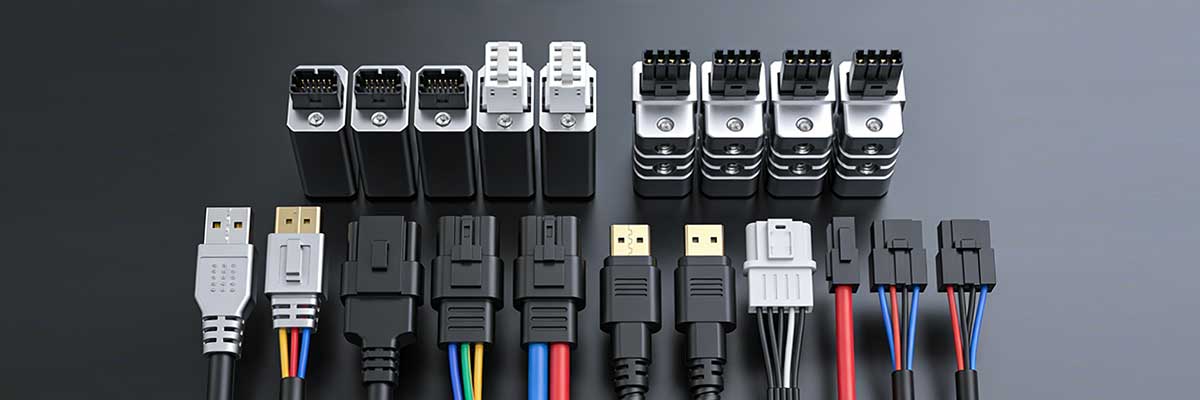
What you gain:
Stable power delivery, lower failure risk, and predictable long-term performance.
Connector selection always starts with electrical reality, not appearance.
We analyze:
- Maximum continuous current
- Peak current during startup or load spikes
- Operating voltage
- Expected mating cycles
- Environmental factors (vibration, dust, moisture)
For example:
- In high-vibration environments such as e-bikes or mobile industrial equipment, we prioritize connectors with mechanical locking features and anti-vibration designs.
- In frequent service or battery replacement scenarios, we select industrial-grade connectors rated for 10,000+ mating cycles, ensuring consistent contact pressure over time.
- For high-current applications, we focus on low contact resistance terminals to reduce voltage drop and heat generation.
We are familiar with major global brands like Amphenol, TE Connectivity, Molex, JST, as well as reliable domestic alternatives. This allows us to balance performance, cost, availability, and supply-chain stability for your project.
2. Cable harness customization: designing efficient “blood vessels”
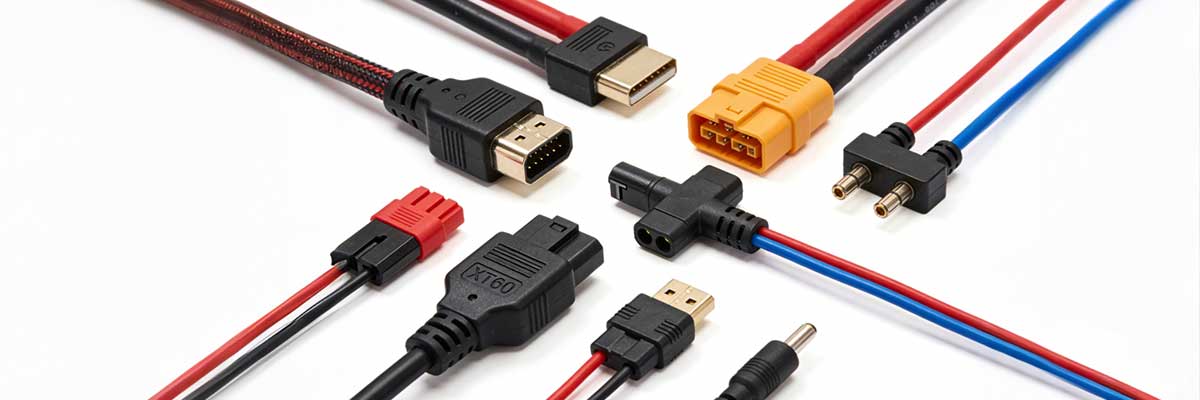
What you gain:
Cleaner layouts, better electrical performance, and faster production assembly.
A common misconception is:
“Thicker wire is safer,” or “longer cable is more flexible.”
In reality, both can hurt your product.
We carefully calculate the wire gauge (AWG) based on:
- Current requirements
- Acceptable voltage drop
- Thermal limits
- Weight and cost considerations
Just as important, we customize the physical layout of the harness:
- Exact cable length (not 1 cm more than needed)
- Branch positions and routing paths
- Connector orientation and exit angles
By aligning the harness design with your device’s 3D structure, we:
- Reduce internal clutter
- Avoid interference with moving or hot parts
- Eliminate unnecessary bending stress
- Enable “position-and-plug” assembly on the production line
The result is higher assembly efficiency and fewer human errors.
3. Reliability is built in the details
What you gain:
Long-term durability and fewer hidden failure points.
Many connection failures don’t happen immediately—they appear months or years later.
That’s why we pay close attention to details that are easy to overlook:
- Using high-temperature, flame-retardant wire insulationfor warm internal environments
- Selecting IP-rated connectorsfor exposed or outdoor interfaces
- Adding strain relief structuresat stress concentration points to prevent conductor breakage
- Applying clear wire color coding or labels to simplify installation and servicing
Each of these details reduces risk. Together, they dramatically improve system reliability.
From “accessories” to system-level enablement
When connectors and harnesses are properly engineered, the benefits go far beyond basic connectivity:
- Lower total electrical resistance
- Reduced heat generation
- Better space utilization
- Faster and more consistent assembly
- Fewer field failures and service issues
They allow the battery system to integrate electrically and mechanically with your product as a single, coherent unit.
Our philosophy at Himax
At Himax Electronics, we don’t just deliver batteries.
We deliver ready-to-integrate energy modules that are optimized down to the last connection.
Our professional selection of connectors and customized cable harnesses is designed to remove the final integration barriers—so your team can focus on building great products, not fixing wiring problems.
Let’s optimize your connections early
If you are:
- Planning a new product
- Dealing with reliability issues in existing designs
- Or aiming to improve assembly efficiency
We invite you to share your electrical requirements and layout constraints with us.
We can provide connector selection recommendations and a preliminary 3D harness routing analysis, helping you optimize performance and reliability right from the design stage.
We look forward to supporting your next project.