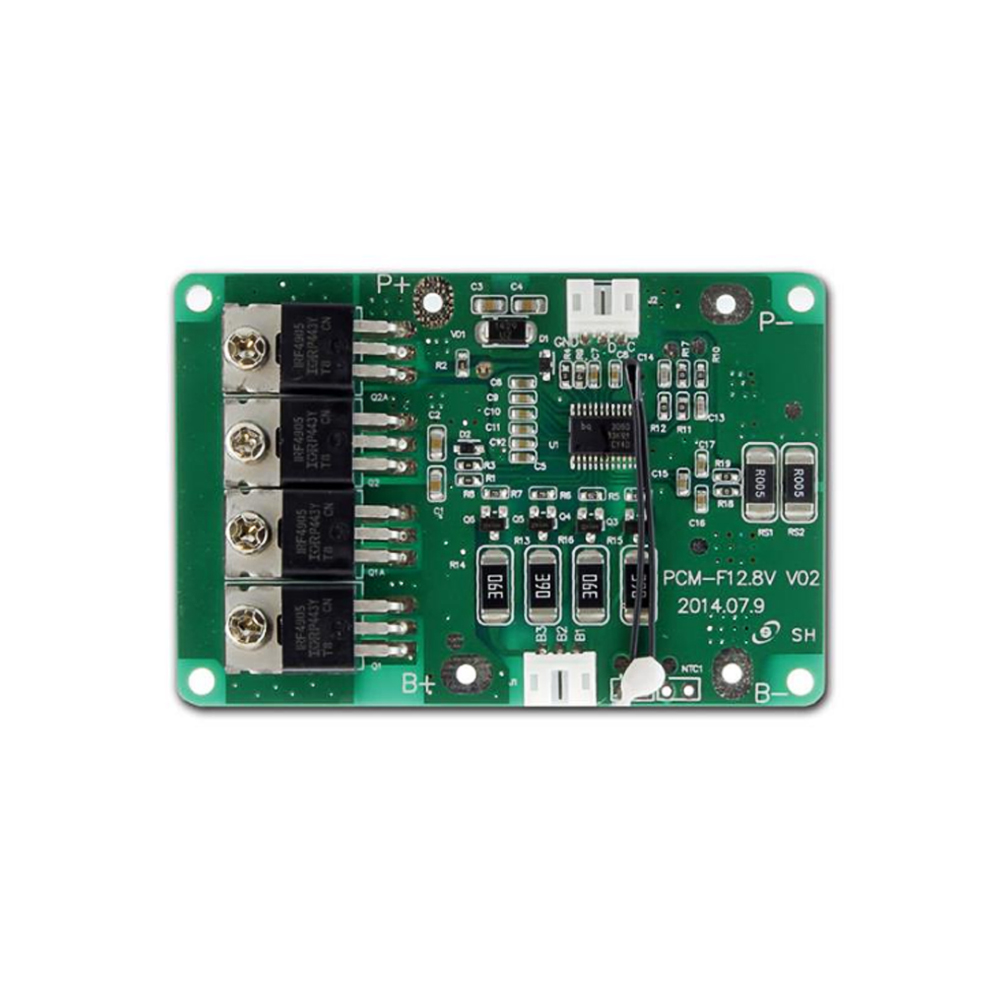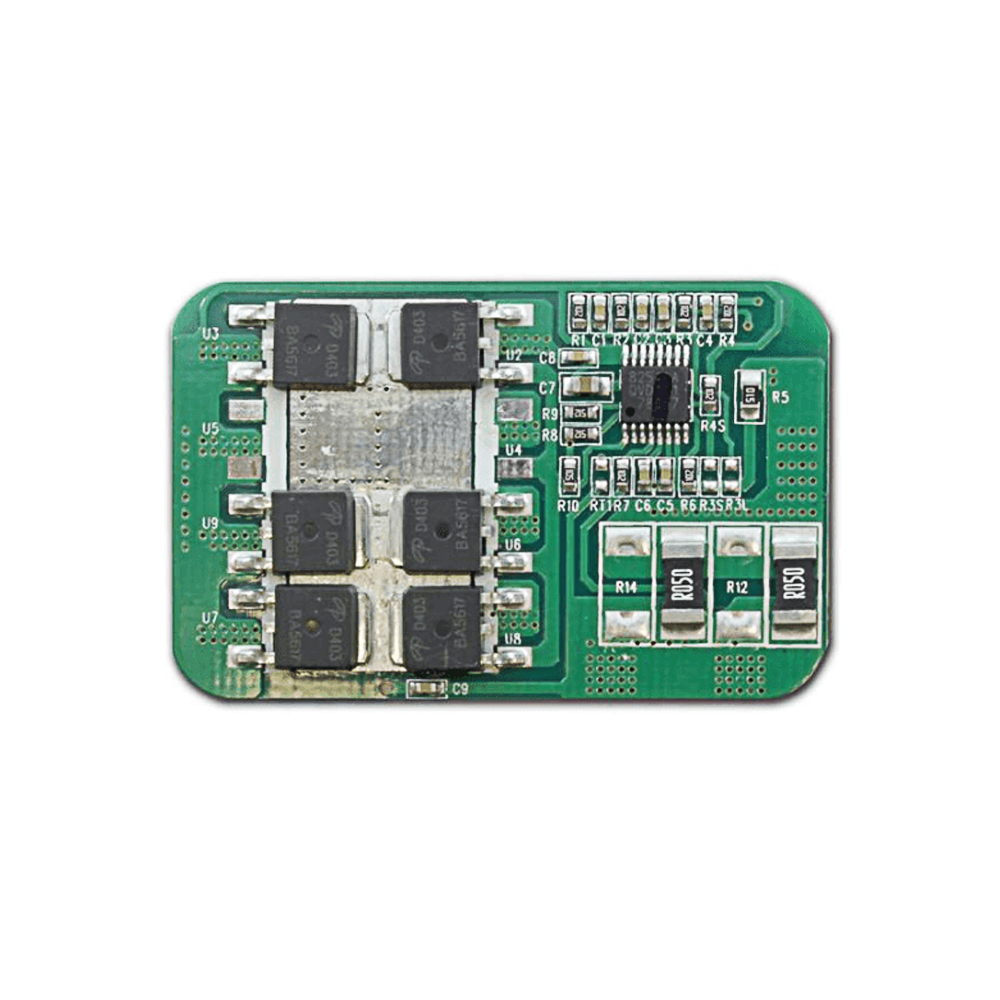

Redefining the BMS: From a “Black Box” to a Transparent, Intelligent Partner
Hello, I’m Caleb, a senior battery system architect at Himax Electronics.
When discussing high-quality battery systems, most people immediately think about the cells—and rightly so. Cells are the heart of the system. However, in our experience, what truly determines whether a battery becomes a liability or a competitive advantage is the Battery Management System—especially its communication capability.
A modern BMS is far more than just a protection circuit.
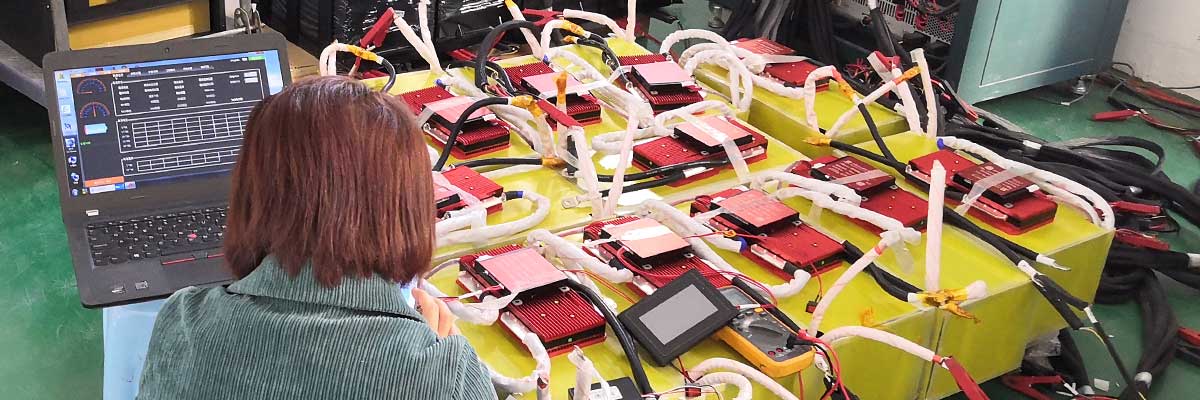
It acts as the nervous system, the decision-maker, and the data hub of your energy system. Moreover, its ability to communicate efficiently, reliably, and securely with your main controller directly affects product intelligence, reliability, and long-term maintainability.
Now, let’s consider a common problem we hear from customers.
Before explaining what we do, let me ask you something—do any of these sound familiar?
-
The battery “works,” but its internal state remains unclear
-
When a fault occurs, identifying the real root cause is difficult
-
Battery data cannot be logged or analyzed effectively
-
Your host system struggles to communicate smoothly with batteries from different suppliers
-
Every battery change requires software modification and revalidation
Ultimately, these issues all point to the same root cause: the battery is treated as a black box.
At Himax, our mission is to change that.
Therefore, our value lies in customizing the BMS communication protocol, transforming your battery system from a simple power source into a visible, interactive, and manageable intelligent module within your product.
How our customized BMS communication creates real value
1. Seamless compatibility: true plug-and-play integration
What this means for you:
Faster development, lower software cost, and fewer integration headaches.
Instead of handing you a “standard protocol” and asking your engineers to adapt, we do the opposite: we start by understanding your system.
We analyze:
-
Your controller interface (CAN, UART, RS485, SMBus, I²C, etc.)
-
Your existing software architecture
-
Your timing, data rate, and fault-handling requirements
Based on this, we design the BMS to speak the same language as your host system.
For example:
-
If your platform uses CAN 2.0B, we can follow industry conventions (like CANopen-style object mapping) or fully adapt to your proprietary CAN IDs and data frames.
-
If your system is SMBus-based, we align register definitions and command behavior with your firmware expectations.
The result is simple but powerful:
When the battery is connected, communication works immediately, reliably, and predictably—no lengthy protocol reverse-engineering, no unnecessary code rewriting.
2. Full transparency: deep insight into battery health and behavior
What this means for you:
Smarter products, better user experience, and proactive maintenance.
Basic BMS communication only exposes voltage, current, and temperature.
That’s like checking a patient’s pulse but ignoring everything else.
In contrast, with our customized protocol, you gain access to meaningful, actionable battery intelligence, such as:
-
State of Health (SOH)
-
Available power capability in real time
-
Individual cell balancing status
-
Charge/discharge stress history
-
Detailed fault and protection logs with timestamps
Why does this matter?
Because your product can now:
-
Predict performance limitations before they happen
-
Adjust power consumption dynamically
-
Provide accurate remaining runtime estimates
-
Guide users with smarter usage or charging recommendations
In short, the battery stops being reactive—and becomes predictive.
3. Communication as a security and permission boundary
What this means for you:
Hardware-level safety, reduced risk, and controlled access.
Communication is not just about data—it’s also a security layer.
Accordingly, in our BMS designs, we implement multi-level access control directly at the protocol level.
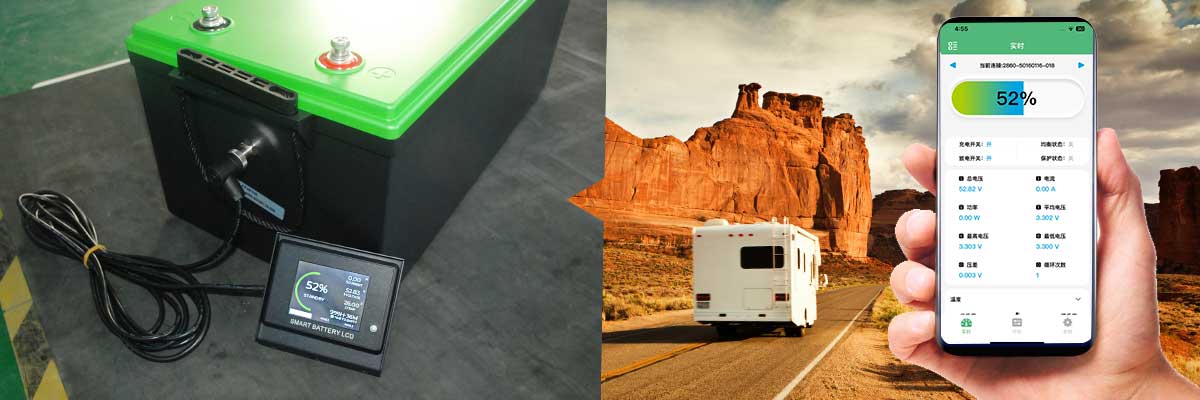
For example:
-
End users can only read basic information like SOC and alarms
-
Your production system can access full diagnostics and configuration
-
Only authorized service tools, using authentication keys or challenge-response mechanisms, can:
-
Modify protection thresholds
-
Perform calibration
-
Trigger firmware updates
-
This prevents:
-
Accidental misconfiguration
-
Unauthorized parameter changes
-
Malicious access through the communication interface
Ultimately, security is enforced at the source, not patched later in software.
4. Designed for the future, not just today
What this means for you:
Longer product life, lower redesign cost, and protected investment.
At Himax, we never design a communication protocol only for current requirements.
From the very beginning, we plan for:
-
Reserved command ranges
-
Expandable data frames
-
Version management and backward compatibility
This approach allows future upgrades such as:
-
Adding new sensors (e.g., smoke, pressure, or humidity)
-
Implementing advanced charging algorithms
-
Supporting cloud connectivity or remote diagnostics
Most importantly, many of these upgrades can be delivered through firmware and protocol updates, without changing the battery hardware.
As a result, your battery platform stays relevant as your product evolves.
From “communication” to a complete ecosystem
A customized BMS communication protocol is not an isolated feature.
Rather, it is a natural extension of our system-level battery design, tightly integrated with:
-
Hardware architecture
-
Firmware logic
-
Safety strategy
-
Mechanical and thermal considerations
Therefore, at Himax, we don’t just deliver a battery pack that supplies power—we deliver a deeply integrated intelligent energy subsystem that works in harmony with your product.
This is how batteries move from being a cost center to becoming a strategic advantage.
Let’s talk
If you are currently struggling with battery communication, system integration, or underutilized battery data—or if you want your next product to be smarter and more competitive from day one—we’d be glad to help.
Share your platform details with us, and we will provide an initial BMS communication architecture recommendation tailored specifically to your system.
We look forward to building smarter energy solutions together.