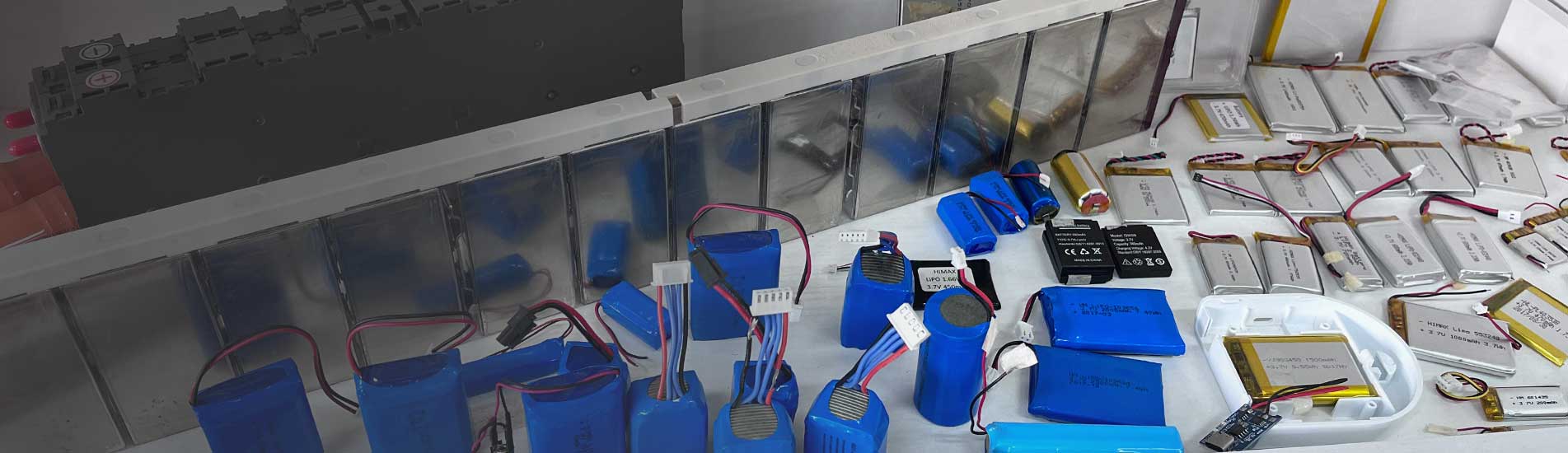
• Battery Enclosure Design

    battery enclosure design

Why the Box Is Actually the First Line of Defense — and a Brand Statement

Hello, I’m Aliden, senior product design and mechanical engineer at Himax Electronics.
When customers receive a battery pack, the very first thing they see and touch is not the cells, not the BMS—but the enclosure.

From an engineering perspective, the battery enclosure is far more than a simple box.
In fact, it serves as:

  • A safety fortress
  • A thermal management component
  • A structural backbone
  • And a carrier of your product’s industrial design

How well this enclosure is selected and designed directly determines whether your battery system survives real-world conditions—and how your end users perceive your product.

Common concerns we hear from customers

Before diving into solutions, let me ask a few questions that many of our customers raise early on:

  • Will the battery survive drops, vibration, water, or dust in real use?
  • Is the battery enclosure taking up too much internal space?
  • Can the battery design visually match the rest of the product?
  • Are we over-designing the enclosure and paying unnecessary cost?

At Himax, our role is to act as an extension of your R&D team, Specifically, we translate your application environment, industrial design intent, and cost targets into the most appropriate enclosure solution—whether that is a proven standard option or a fully exclusive custom design.

How we match and design the “right” battery enclosure for your product

1. Meeting environmental and safety challenges: choosing the right “armor”

What you gain:
A protection strategy tailored to your actual application—not generic assumptions.

Different products face very different environments.

For instance:

  • Outdoor energy storage, power tools, or industrial devicesoften require strong impact resistance and high ingress protection.
  • Medical or laboratory equipment, on the other hand, prioritizes cleanliness, stability, and controlled environments.

  • Meanwhile, Vehicle-mounted or mobile applicationsmust survive continuous vibration and mechanical stress.

In practice:

  • For dust- and water-resistant requirements, we often recommend high-strength engineering plasticssuch as PC or PC/ABS, combined with sealing gaskets, ultrasonic welding, or overmolding to achieve IP65–IP67 or higher.
  • For harsher mechanical environments, we may move to sheet metal housings or extruded aluminum, reinforced with ribs and validated through vibration and drop simulations before physical testing.

Ultimately, the goal is simple: the enclosure should protect the battery exactly as much as needed—no more, no less.
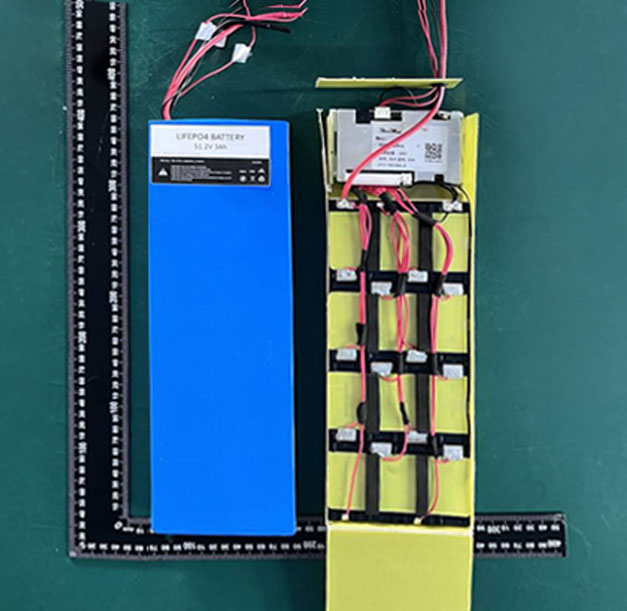
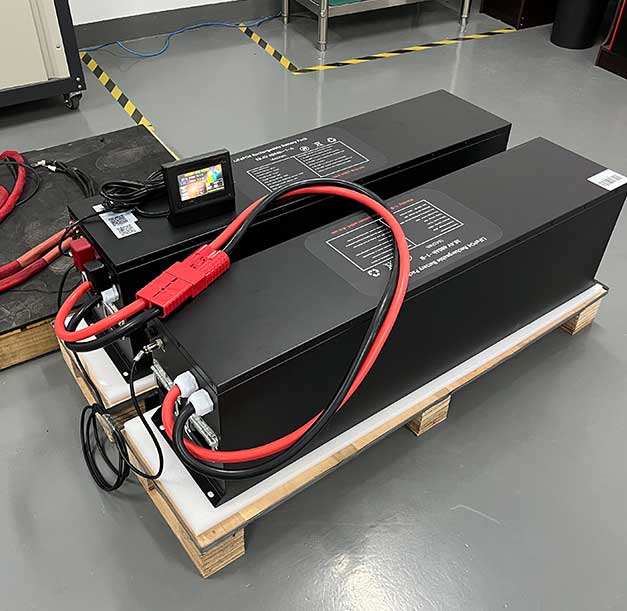
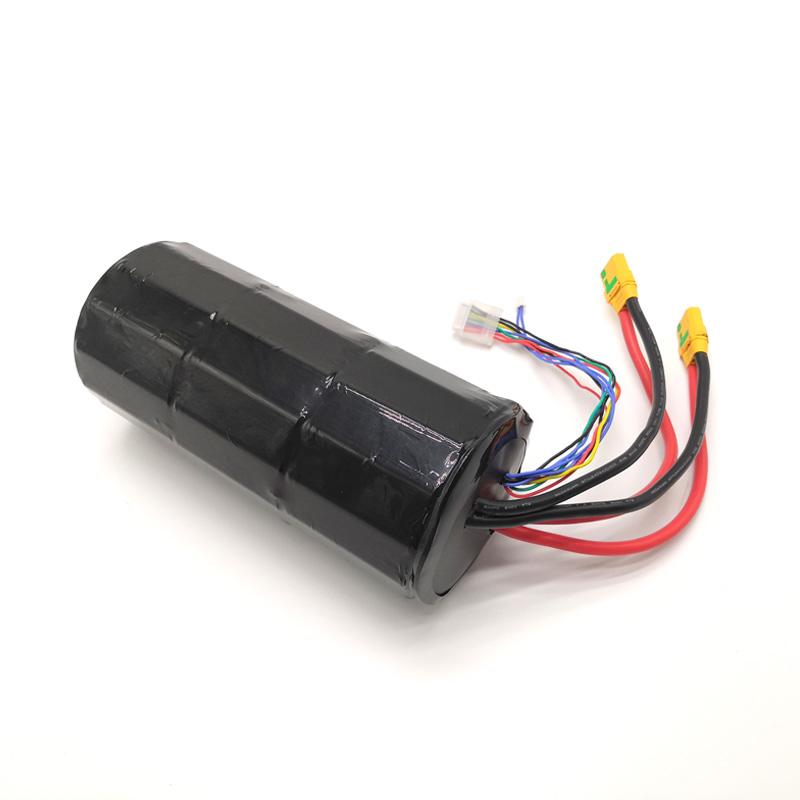
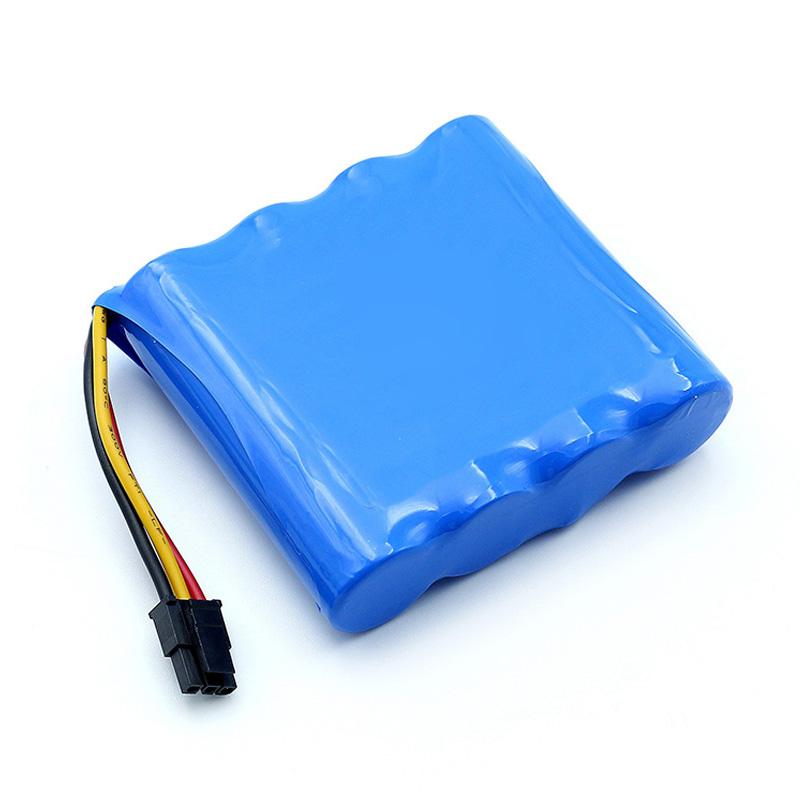
pvc housing

PVC Battery Case

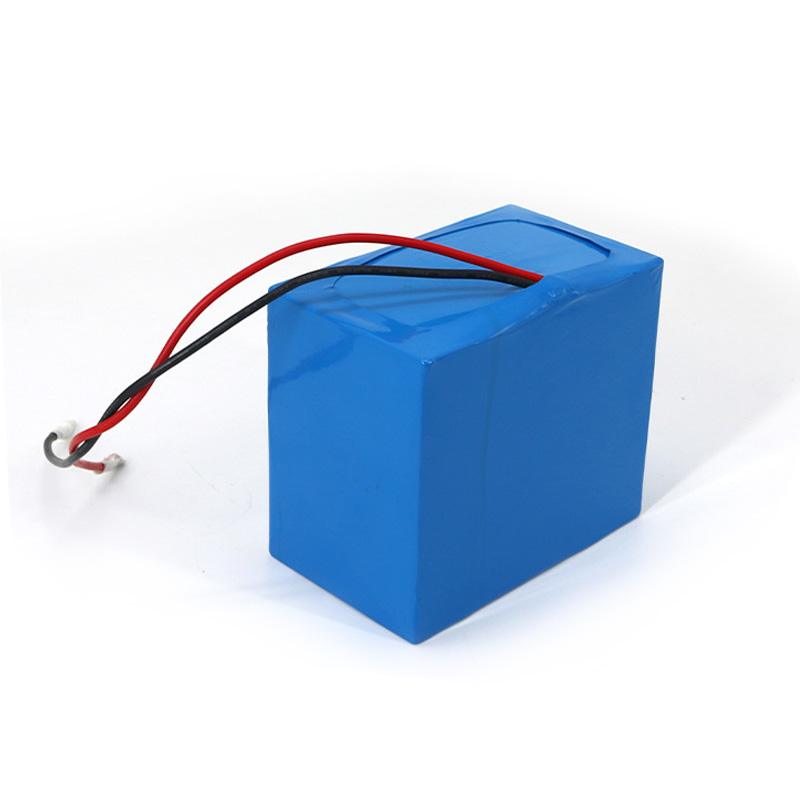
metal housing

Metal Battery Case

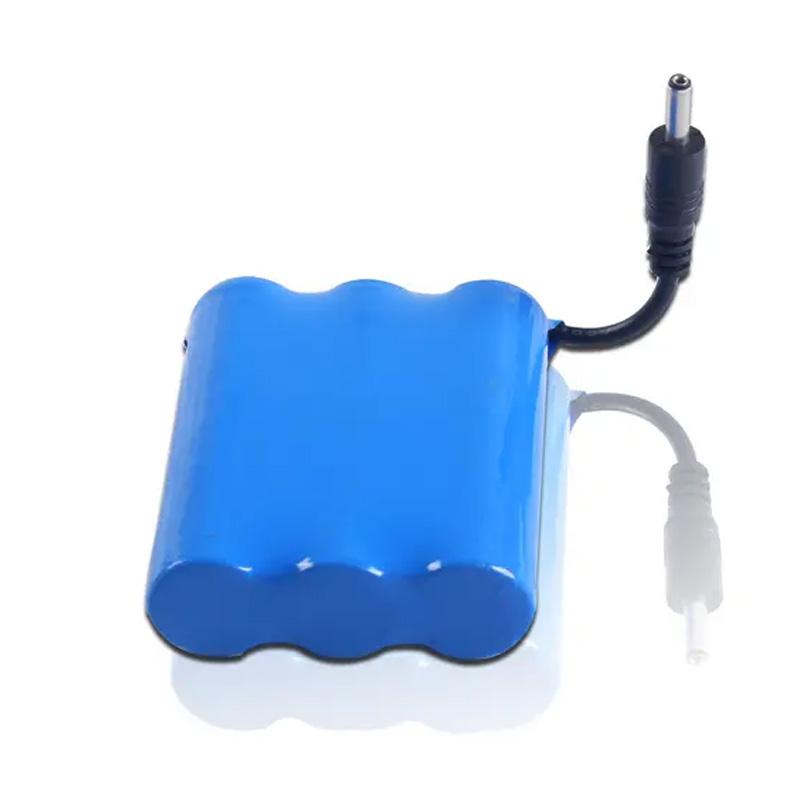
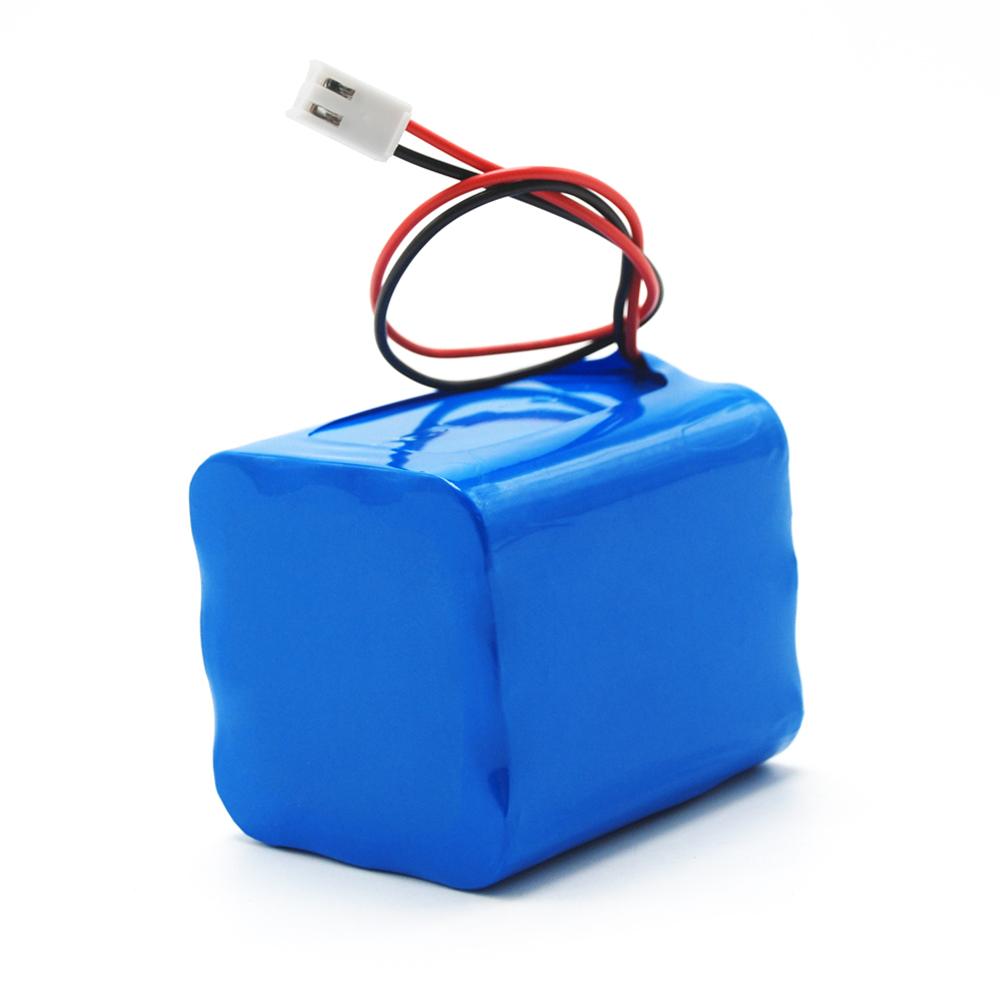
abs housing

ABS Battery Case

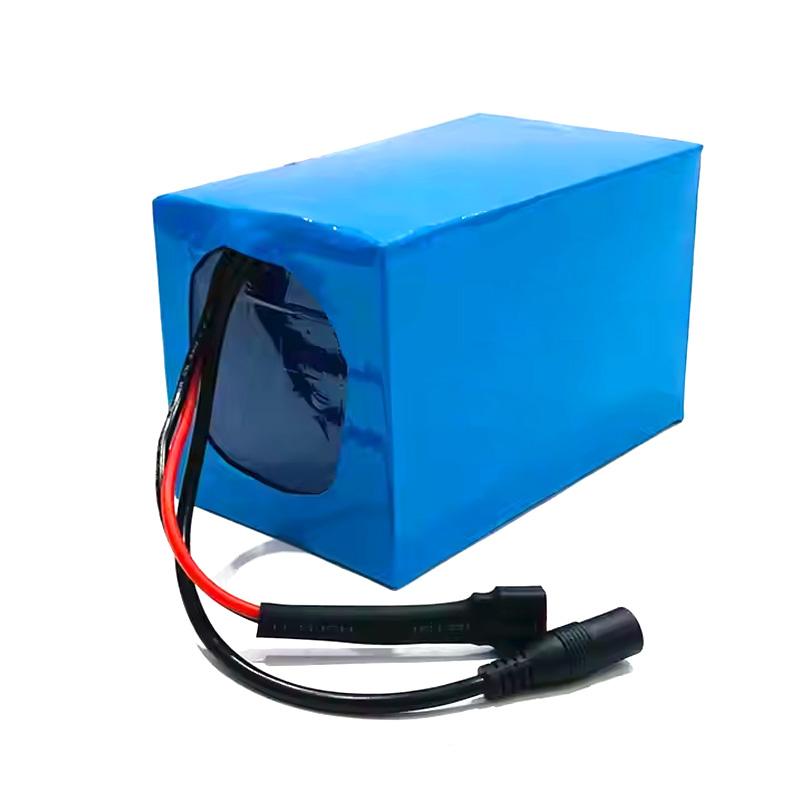
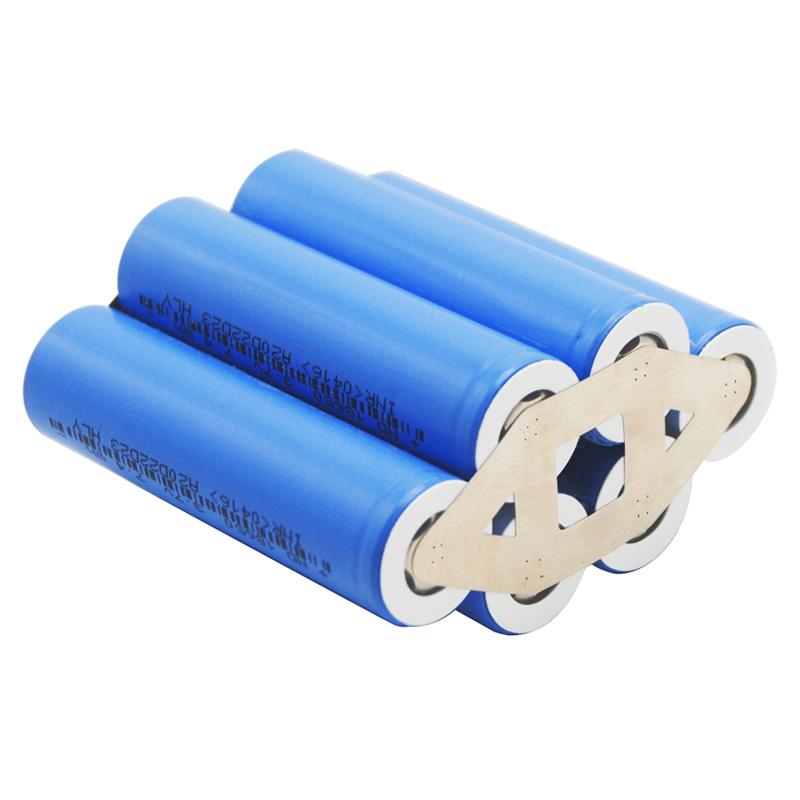
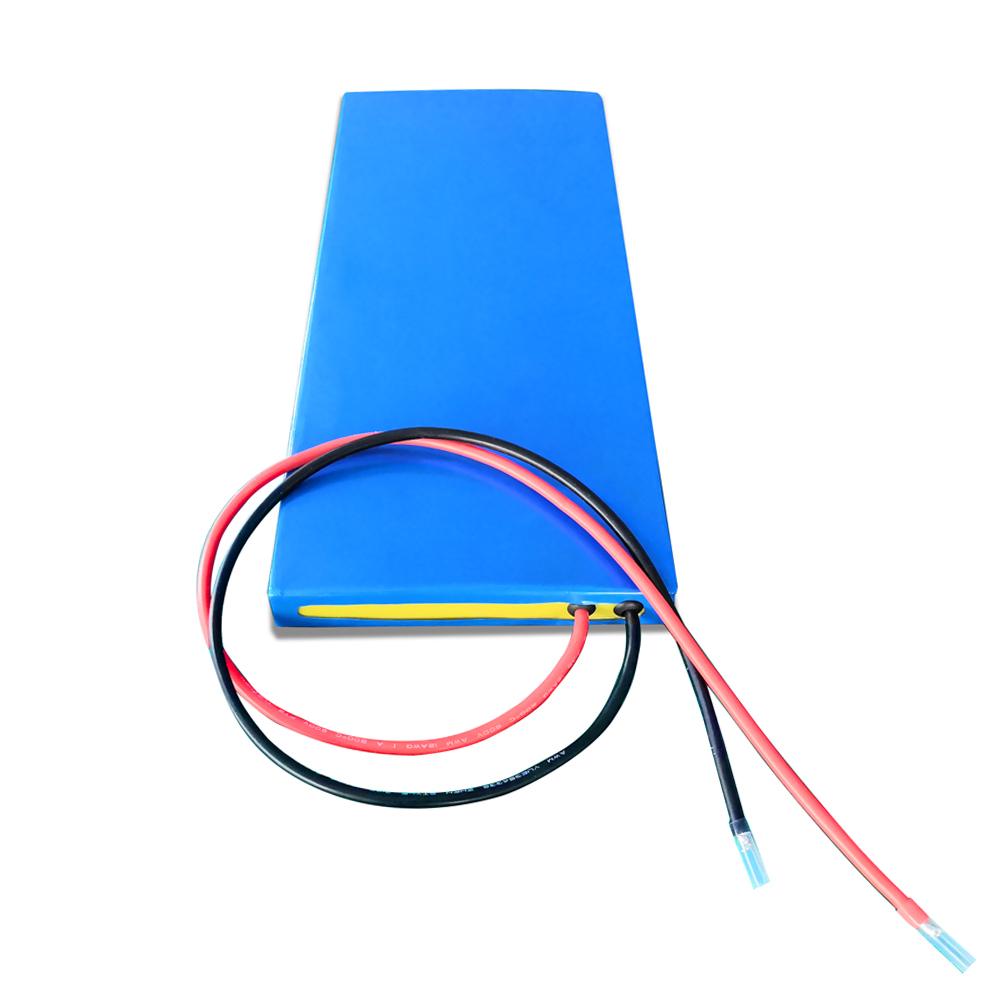
pouch cells

Pouch-type Battery Case

2. Solving thermal challenges: designing a “breathing system”

What you gain:
Longer battery life and more stable performance under load.

In high-power or continuous-use applications, heat is one of the main enemies of battery longevity.
That’s why at Himax, we never treat the enclosure as a passive shell.

Depending on your use case, we may:

  • Add internal heat-dissipation ribsto plastic housings
  • Design external cooling finsinto aluminum enclosures
  • Reserve flat interfaces for thermal pads or heat spreaders
  • Create airflow paths for forced or natural convection

For sealed or extreme environments, we can even evaluate phase-change materials or heat pipe integration.

The key idea is this:
the enclosure participates in thermal management, rather than blocking it.

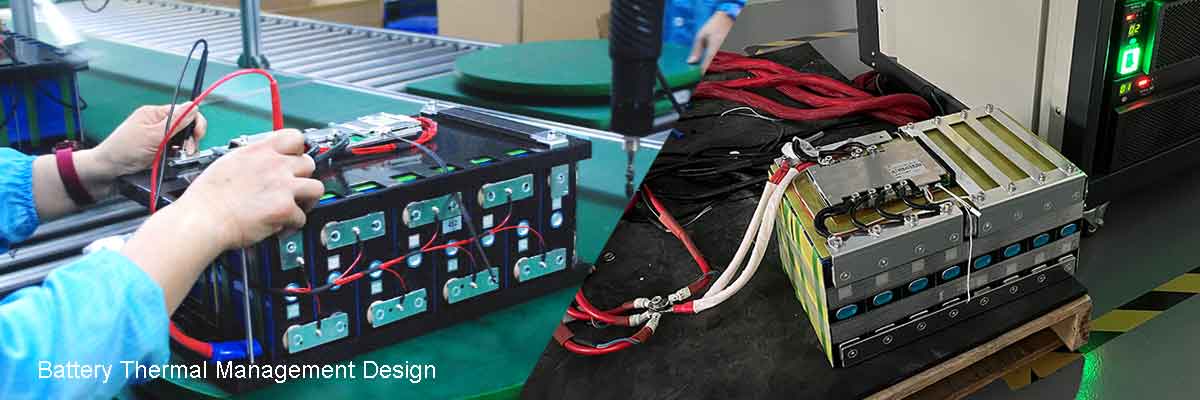
Battery Thermal Management Design

3. Optimizing space and integration: acting as a “master builder”

What you gain:
Better space utilization, simpler assembly, and fewer design compromises.

When internal space is tight or irregular, standard battery enclosures often force painful trade-offs—less capacity, awkward layouts, or complex assembly. This is where custom enclosure design becomes a real advantage.

This is where custom enclosure design becomes a real advantage.

Using 3D modeling and structural optimization, we can:

  • Design enclosures that closely follow your product’s internal contours
  • Turn “dead corners” inside the device into usable battery volume
  • Create slide-in, snap-fit, or rail-mounted battery structuresfor fast assembly and easy replacement

From a manufacturing perspective, this often translates to:

  • Shorter assembly time
  • Lower error rates
  • Better consistency at scale

In other words, the enclosure becomes a tool to simplify your production, not complicate it.

4. Enhancing brand and user experience: shaping the “face and skin”

What you gain:
A battery that looks and feels like a natural part of your product—not an afterthought.

Battery packs don’t have to look industrial or generic. In fact, we frequently help customers align the battery enclosure with their overall product design language, including:

  • Surface finishes such as texture molding, painting, anodizing, or sandblasting
  • Color matching to the main device
  • Logo printing, labeling, or laser marking
  • Integration of LED indicators, light pipes, or touch points

From the tactile feel to the visual details, the enclosure can communicate:

  • Quality
  • Reliability
  • And brand consistency

A well-designed battery enclosure quietly reinforces user confidence every time the product is handled.

From “making enclosures” to delivering a reliable system

At Himax, enclosure selection and design never happen in isolation.

They are developed in parallel with:

  • Cell selection
  • BMS layout
  • Thermal strategy
  • Assembly and manufacturing processes

This system-level approach ensures that what’s inside the enclosure and what protects it outside work together seamlessly. Beyond simply manufacturing according to drawings, we use engineering judgment to reduce risk, control cost, and create value across the product lifecycle.

Let’s move forward together

If you are facing challenges related to:

  • Environmental protection
  • Heat dissipation
  • Space constraints
  • Or product appearance and quality perception

We welcome you to share your concept, prototype, or design constraints with us.

From material recommendations and rapid prototyping to mass-production feasibility, Himax Electronics is ready to support you at every step of the battery enclosure design journey.

Copyright ©2025 Shenzhen Himax Electronics Co.,Ltd. | All Rights Reserved